
 WhatsApp
 Phone
Phone
 Email
Email


Blending brush
The formulation of a blending brush often employs synthetic fibers blended with natural materials to achieve an optimal balance between softness and durability. Such craftsmanship allows for seamless application, particularly in the realm of luxury beauty where precision and performance are paramount.

- New
- Online Exclusive
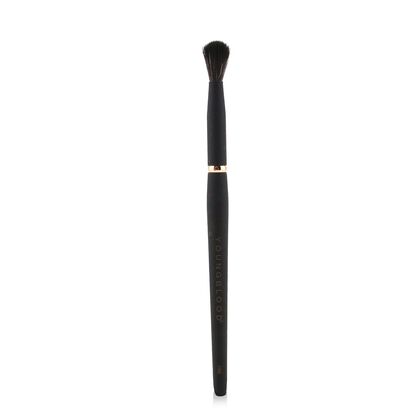
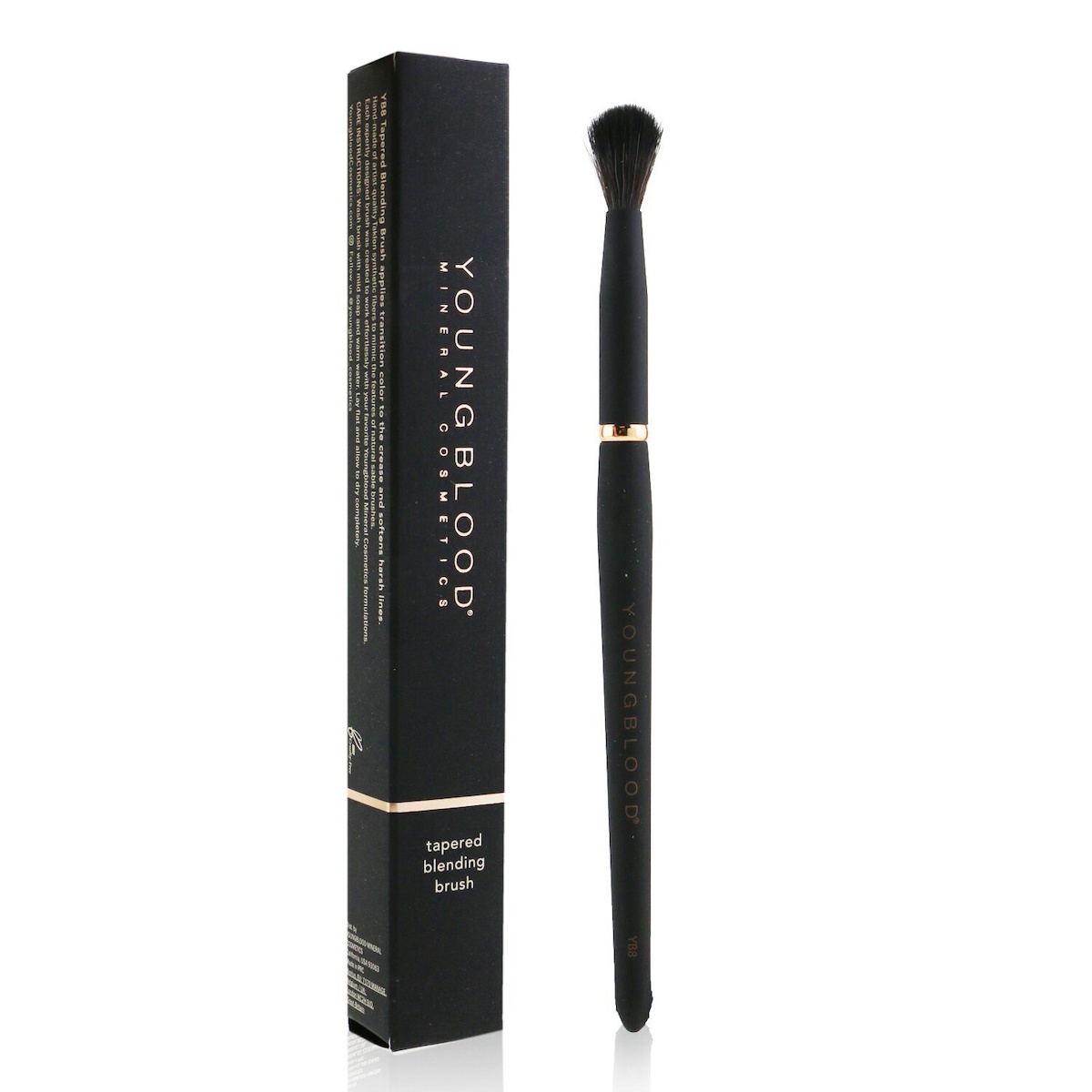
Youngblood
Yb8 Tapered Blending Brush
Eyeshadow Brush

Dior
Backstage Large Eyeshadow Blending Brush 23
Eyeshadow Brush
- New

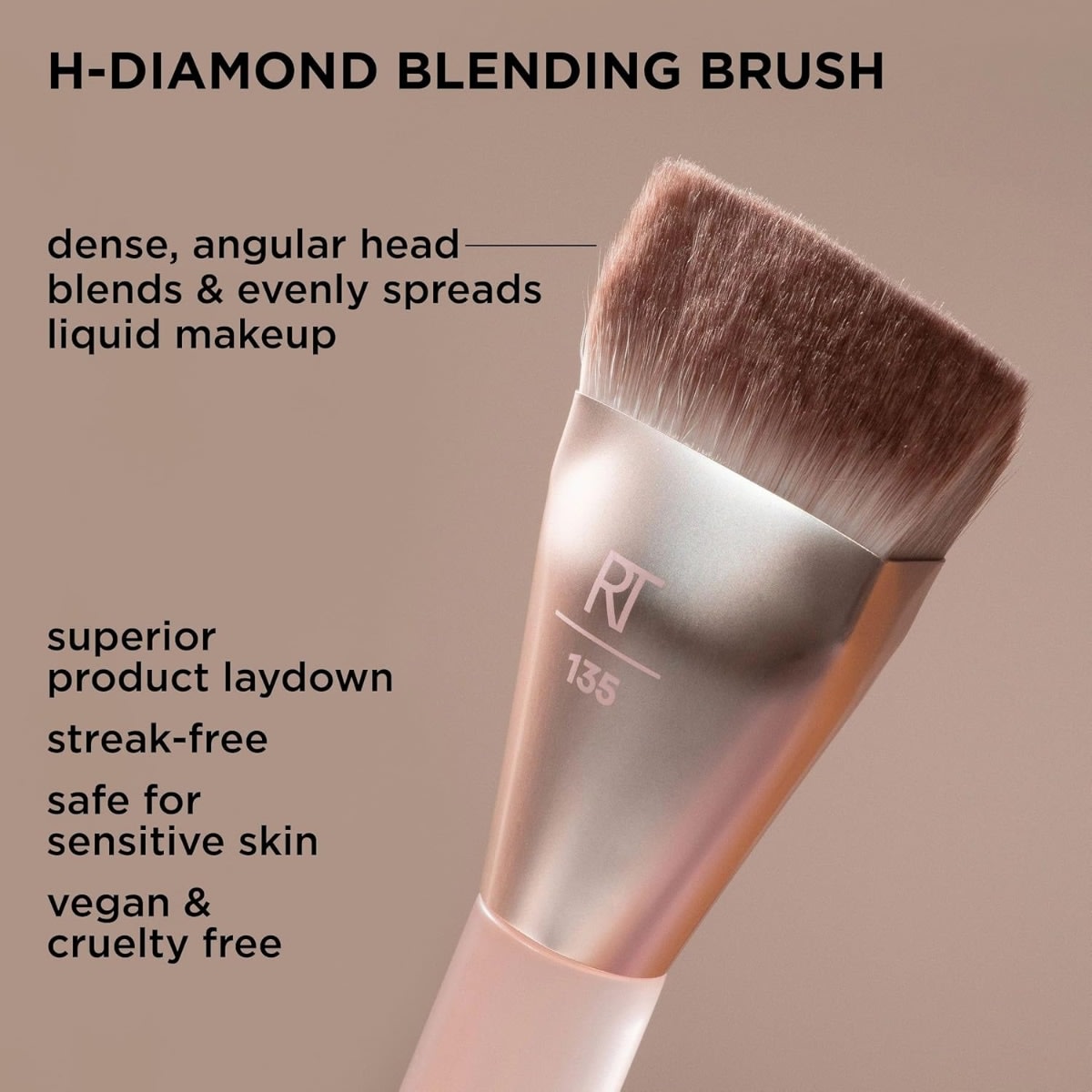
Real Techniques
New Nudes 2.0 H-diamond Blending Brush
Foundation & Powder Brush
- New
- Online Exclusive
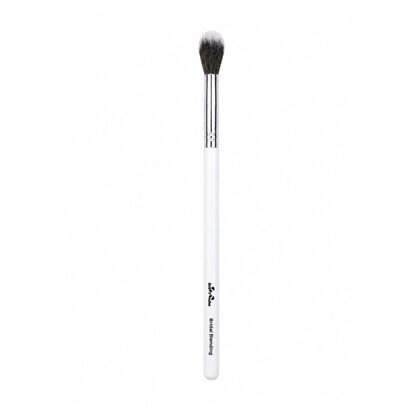
Rosy the Panda
Bridal Blending Brush
Powder Brush

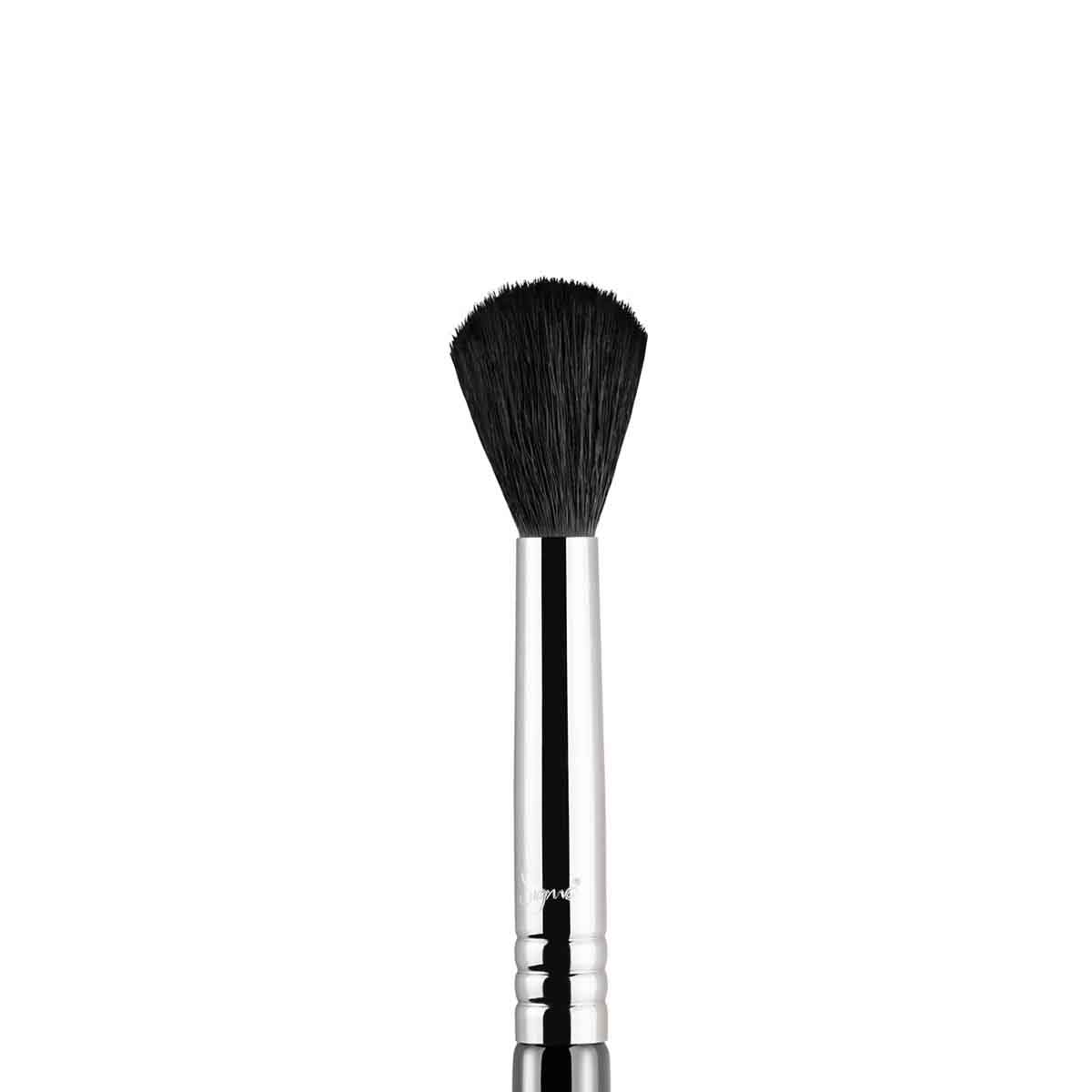
Sigma Beauty
Tapered Blending Brush E40
Eyeshadow Brush
- New
- Online Exclusive


Arches and Halos
Dual Ended Unisex Blending Brush
Makeup Brush Sets
- New
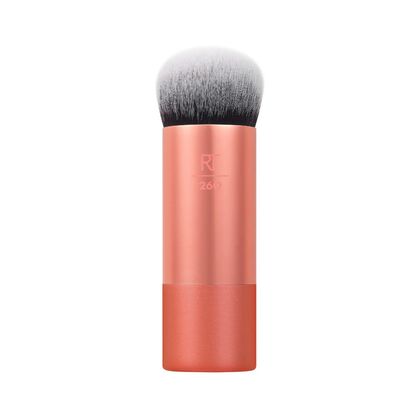
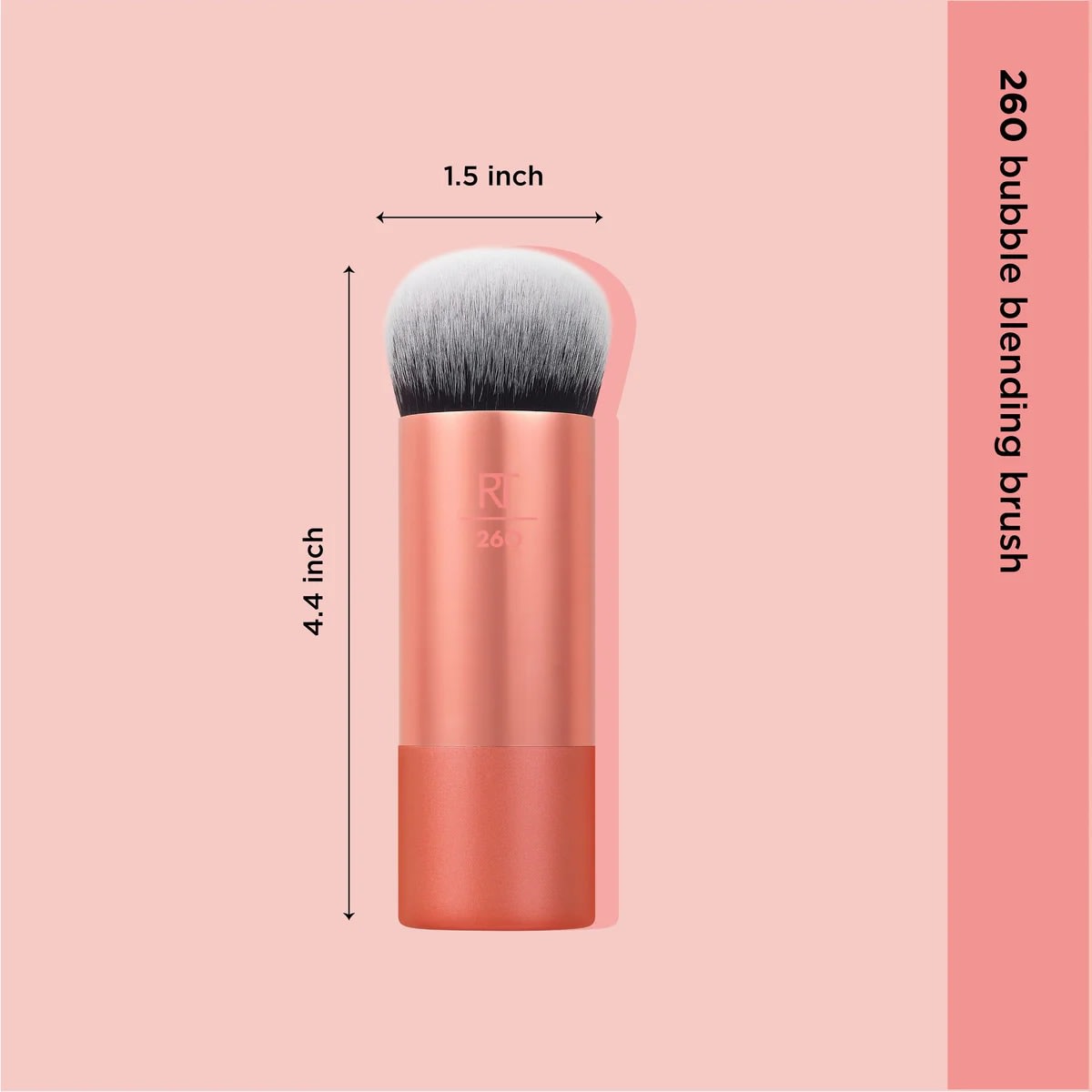
Real Techniques
Bubble Blending Makeup Brush
kabuki_brush
- New
- Online Exclusive
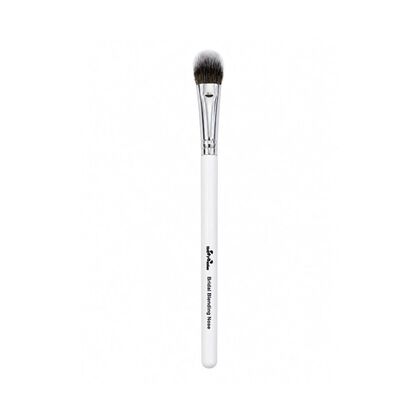
Rosy the Panda
Bridal Blending Nose Brush
Powder Brush
- New
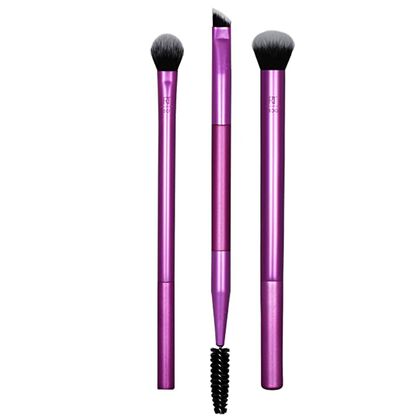
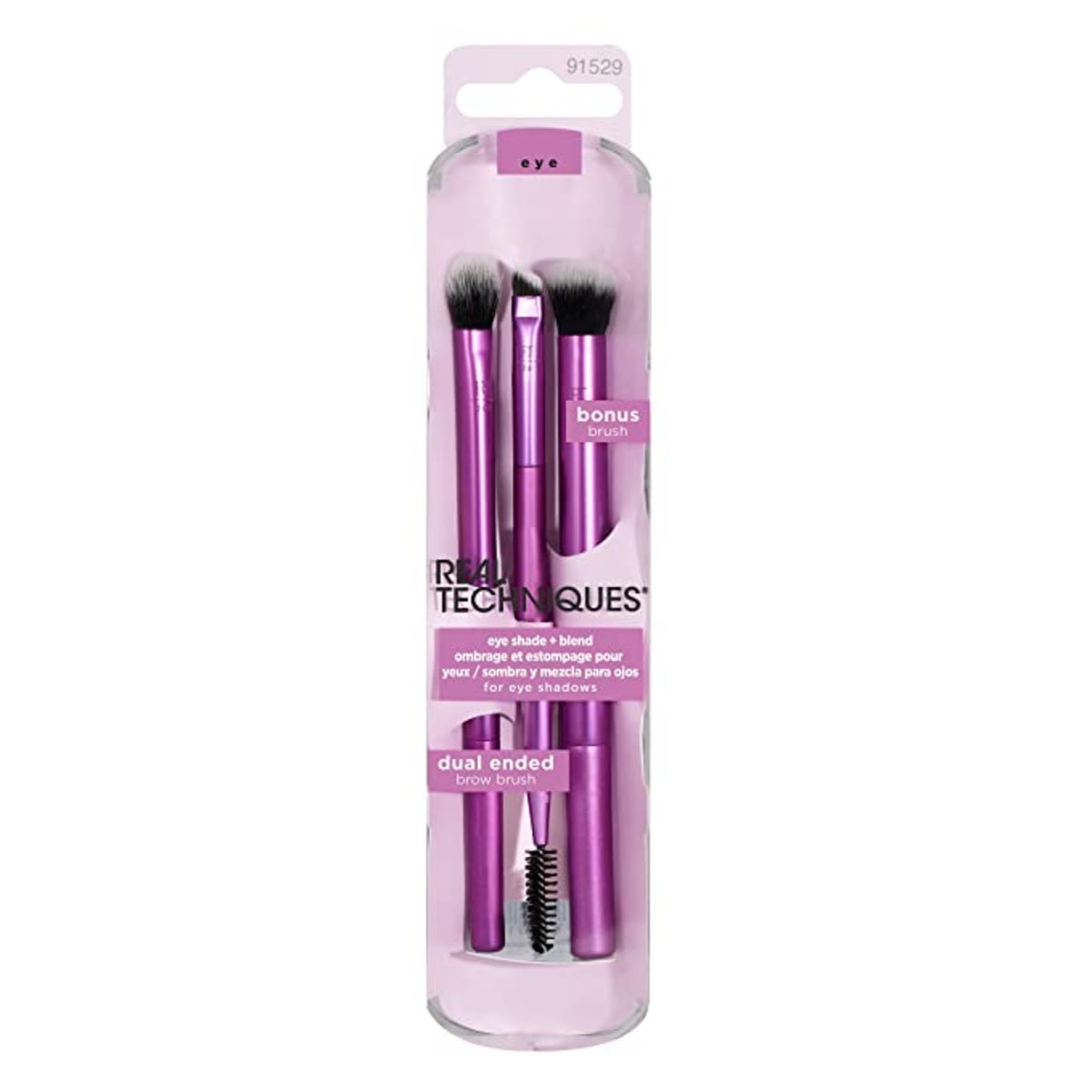
Real Techniques
Eye Shade & Blend Makeup Brush Trio
Makeup Brush Sets
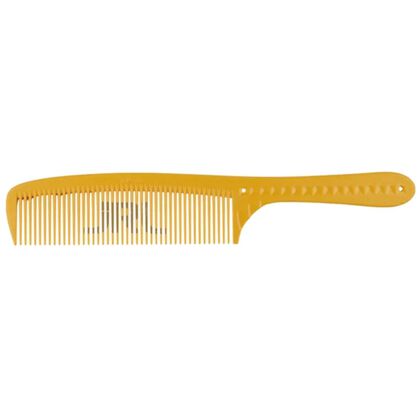
Jrl
Blending Hair Comb
Hair Brush
- New
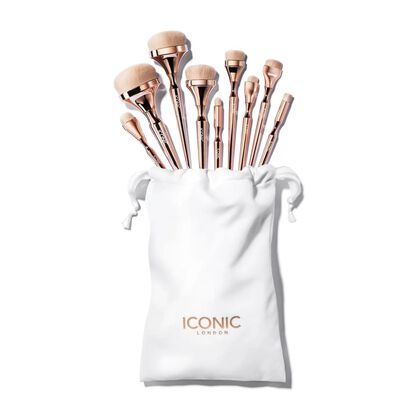
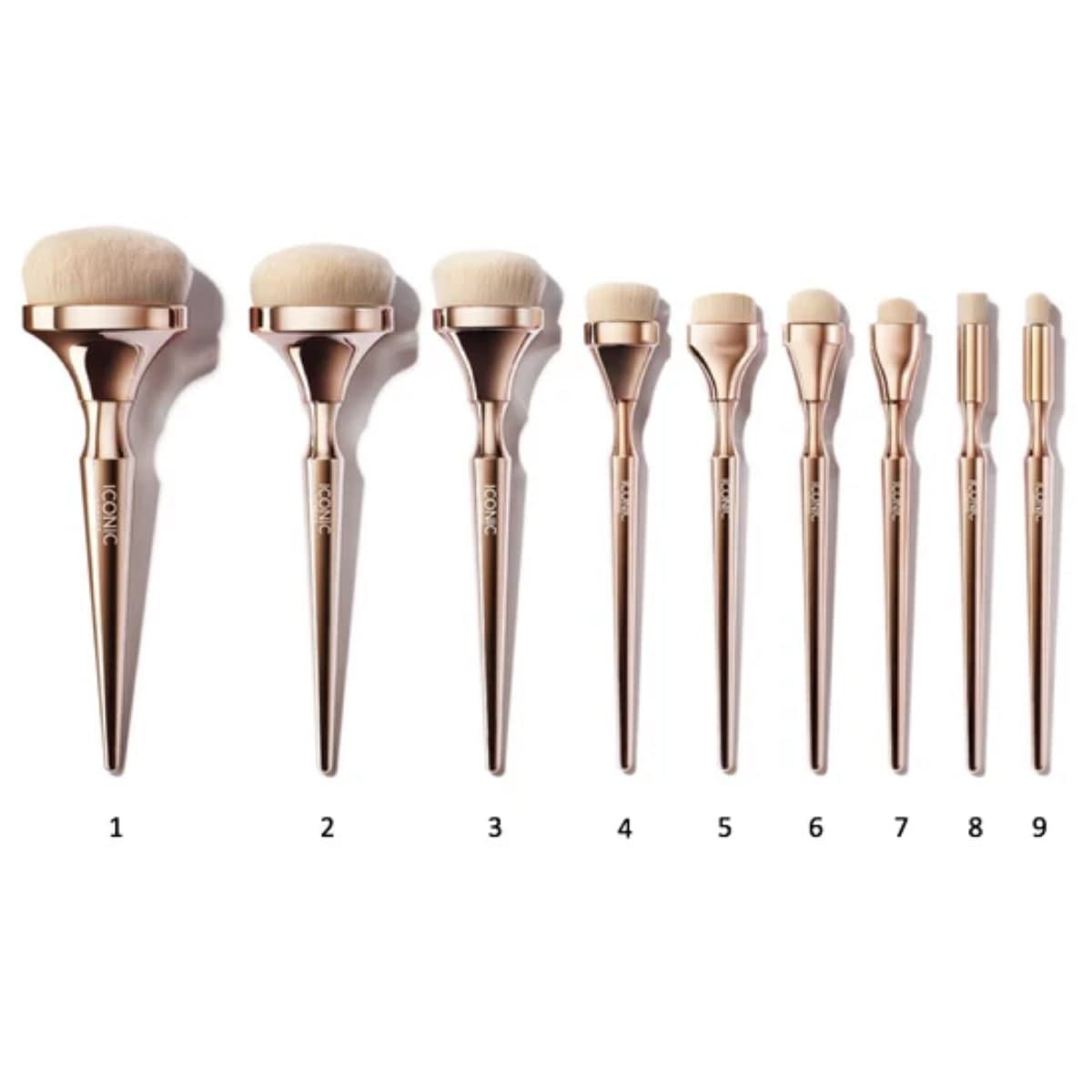
Iconic London
Hd Blend
Brush Set

CHANEL
Pinceau Estompe Teint N°102
Foundation & Powder Brush
- New
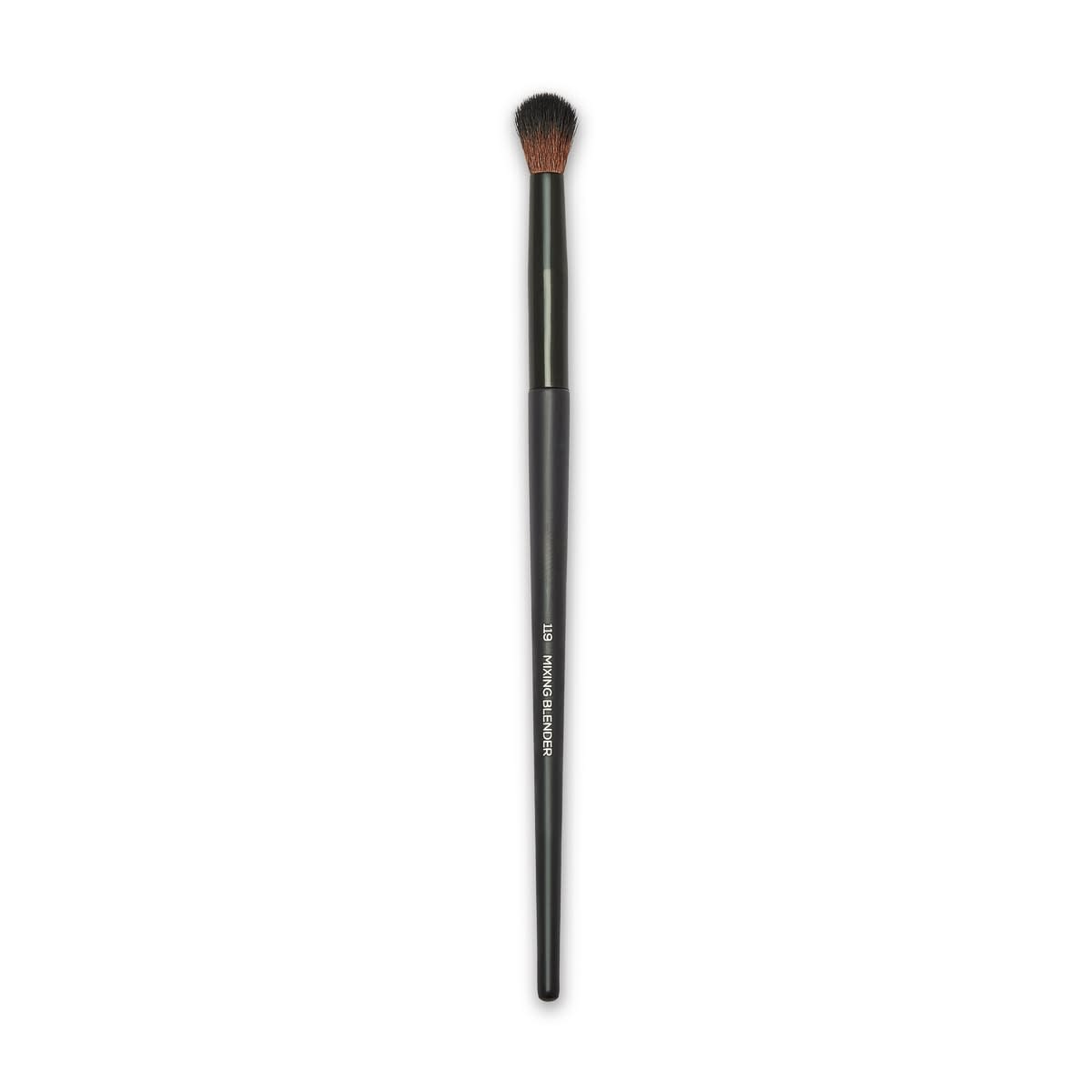
WOW
Mixing Blender Brush
Eyeshadow Brush
- New
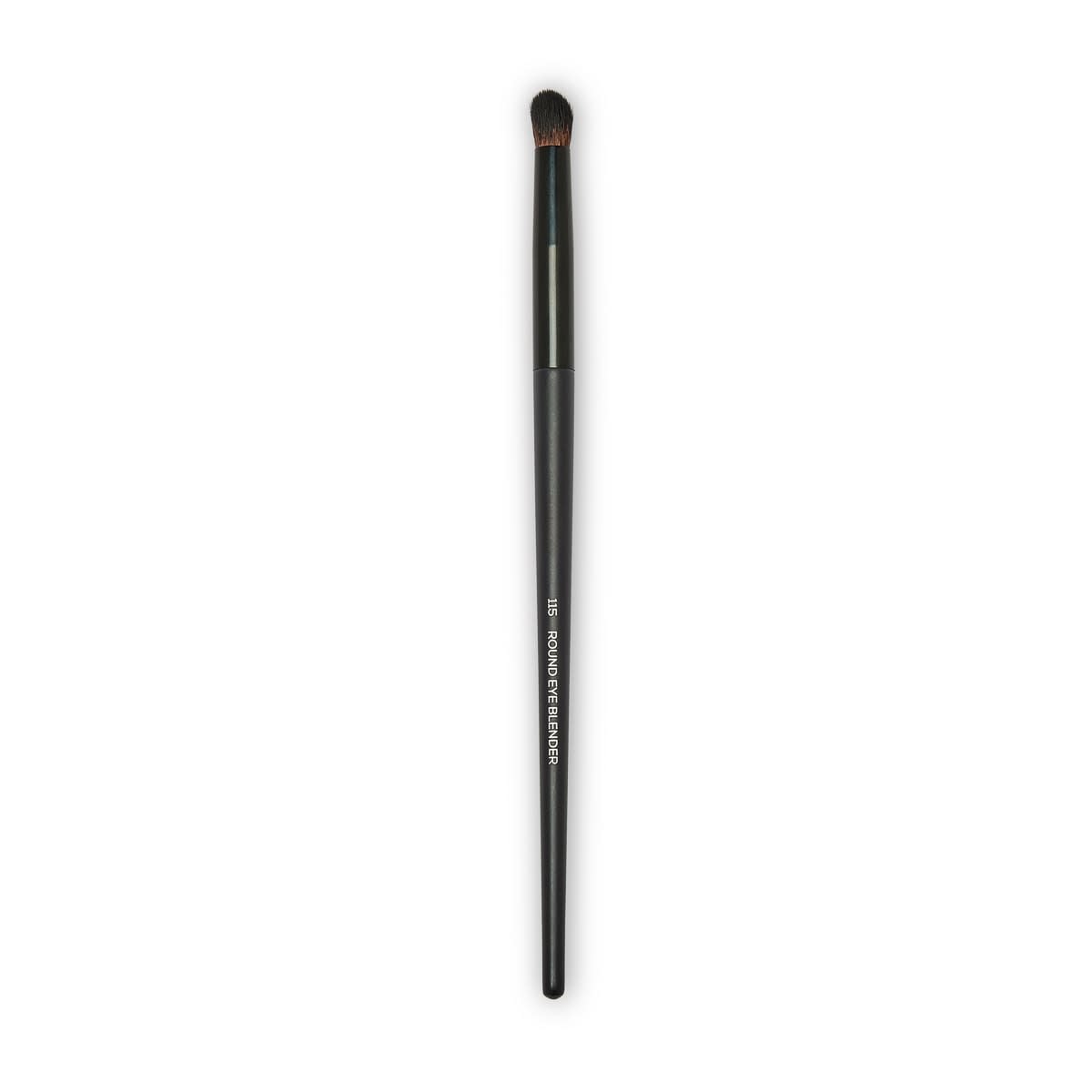
WOW
Round Eye Blender Brush
Eyeshadow Brush

Shiseido
Hanatsubaki Hake Polishing Face Brush
Foundation & Powder Brush
- New
- Online Exclusive
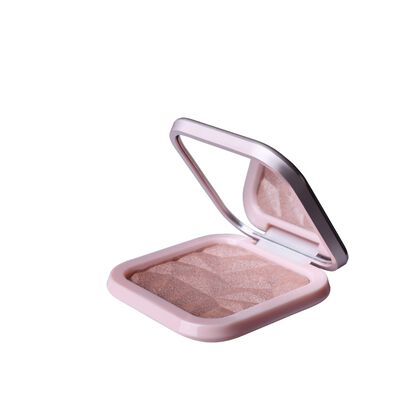
KLA Beauty
Eyeshadow Brush 09
Eyeshadow Brush
- New
- Online Exclusive
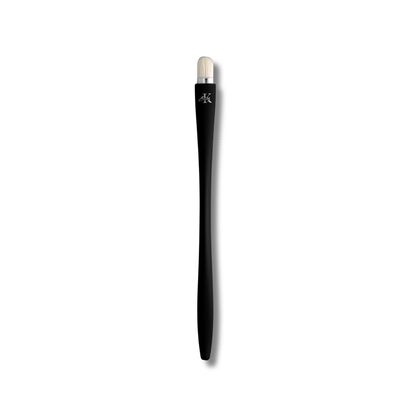
KLA Beauty
N 14 Concealer Brush
Concealer


Sigma Beauty
Flat Kabuki Brush
Foundation & Powder Brush
- New
- Online Exclusive

KLA Beauty
Smudge Brush
Brush Set
- New
- Online Exclusive
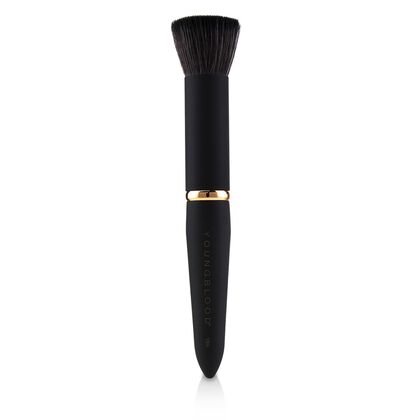
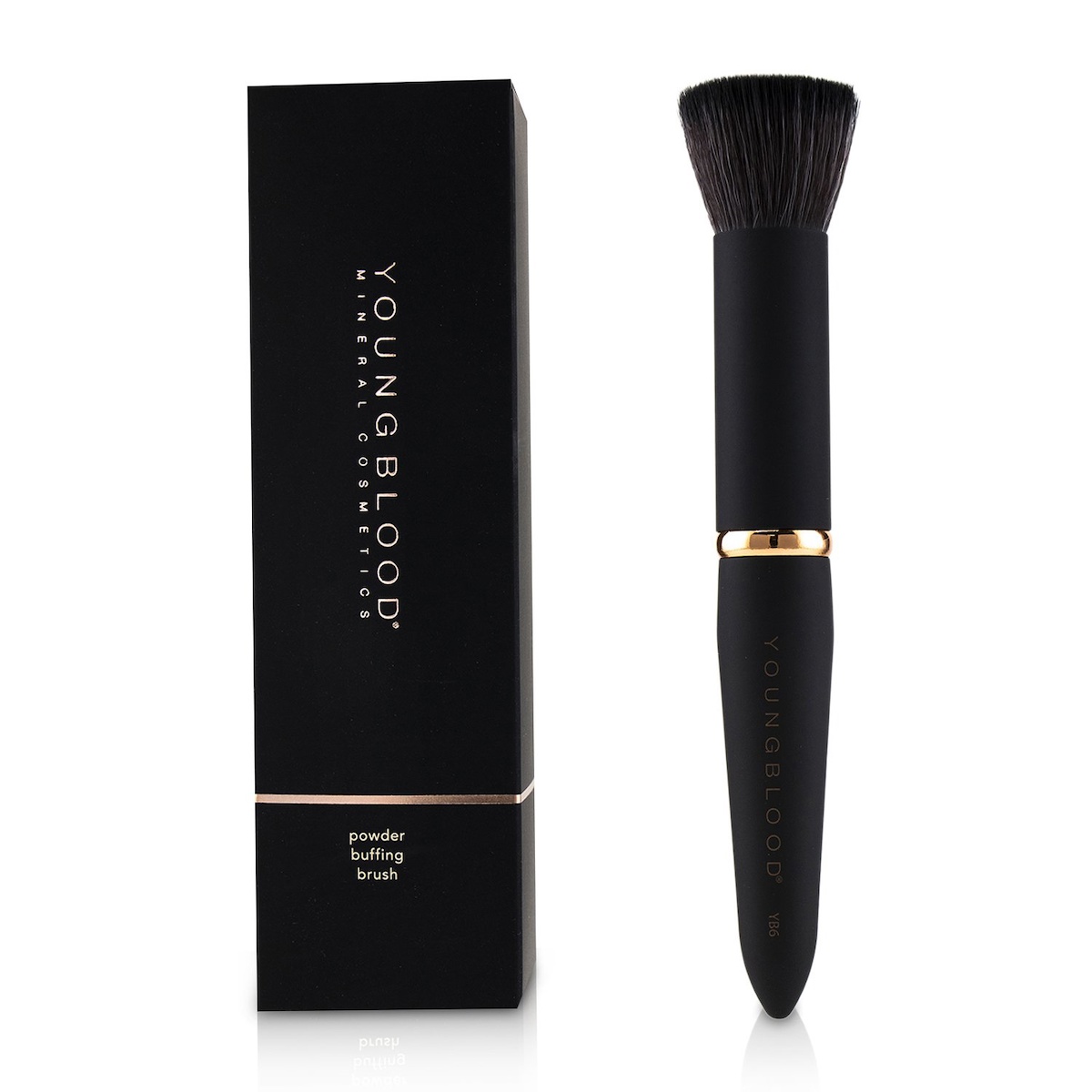
Youngblood
Yb6 Powder Buffing Brush
Eyeshadow Brush
- New
- Online Exclusive
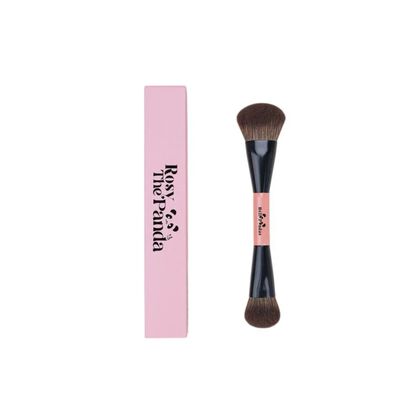
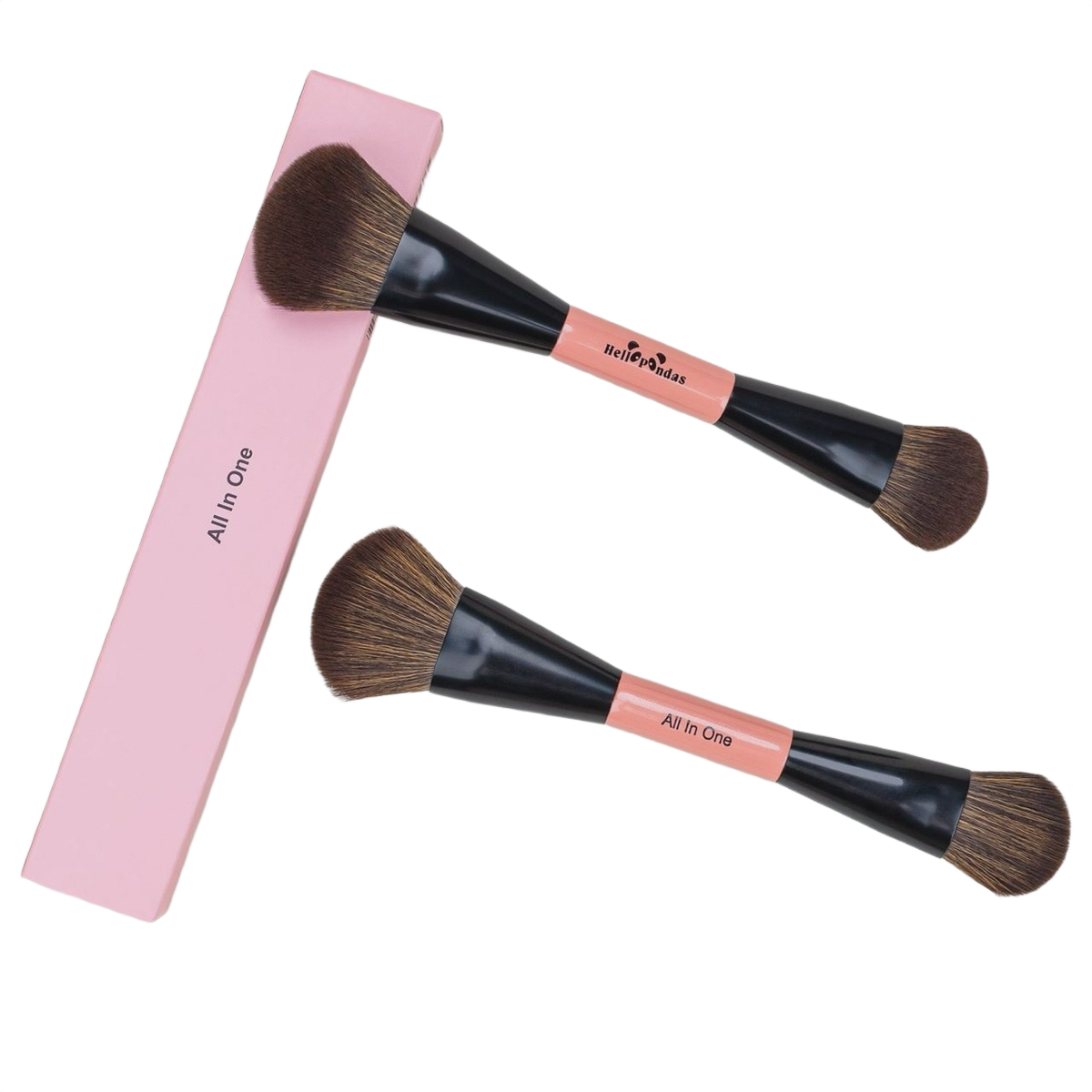
Rosy the Panda
All In One Brush Pink
Powder Brush
- New
- Online Exclusive
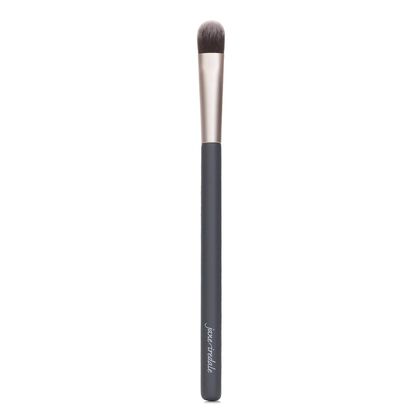
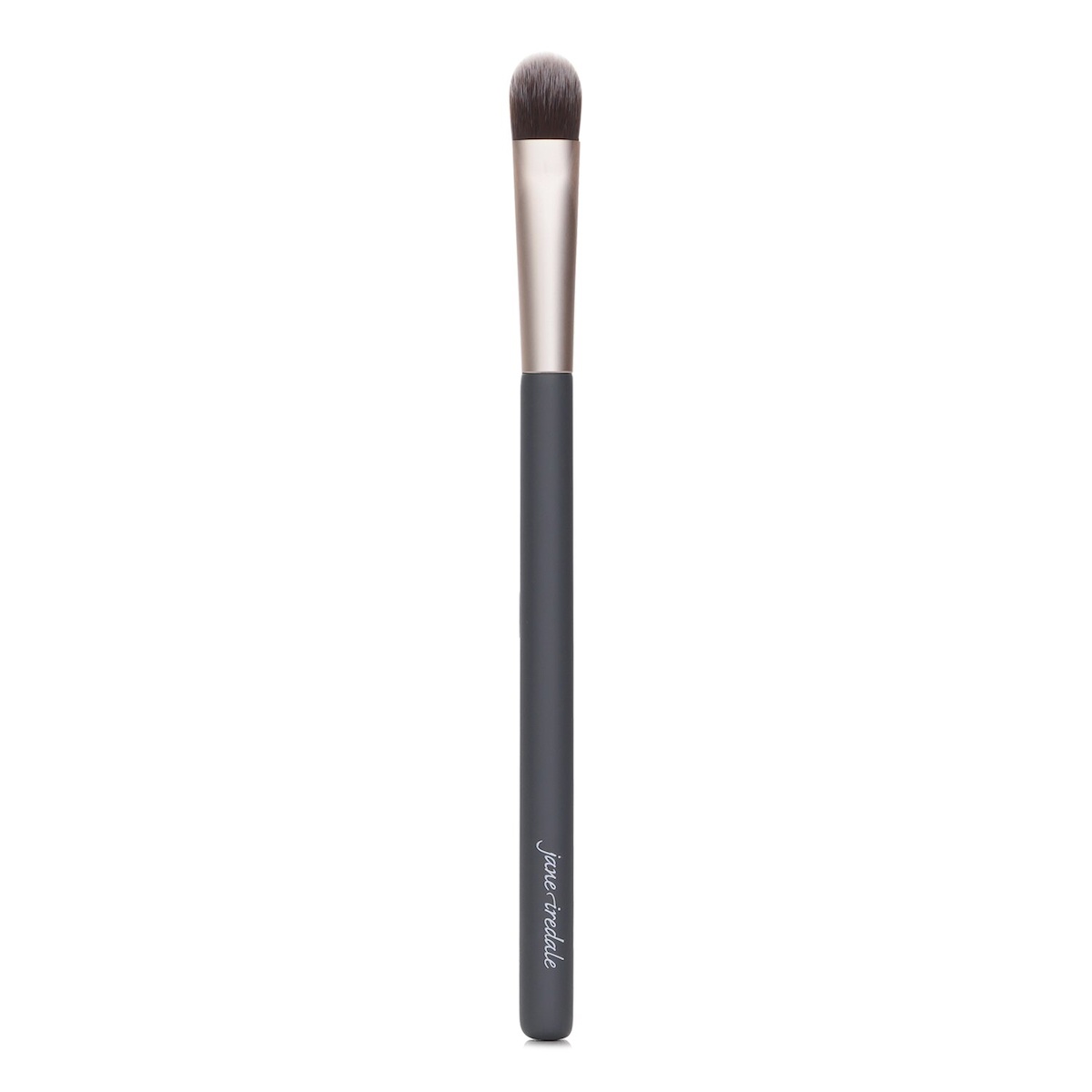
Jane Iredale
Fluffy Eye Brush
Eyeshadow Brush
- New
- Online Exclusive
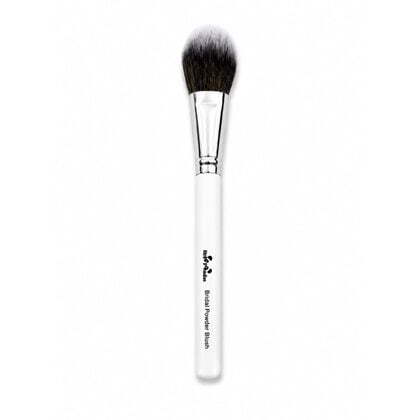
Rosy the Panda
Bridal Powder Blush Brush
Powder Brush
- New
- Online Exclusive
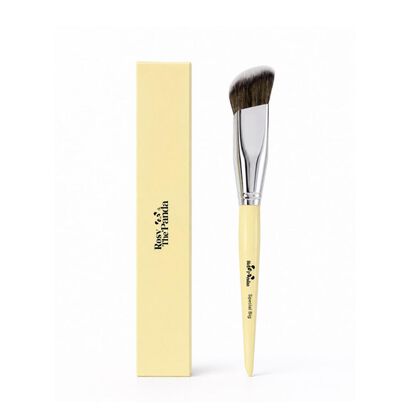
Rosy the Panda
Special Big Brush
Foundation & Powder Brush
Blending brush
Skin Type Considerations
Climate Adaptability
In regions such as the UAE where temperatures oscillate dramatically between summer and winter, adaptability becomes vital. During the sweltering summer months, lighter-weight foundation formulas require a brush that minimizes excess product application; thus, a high-density synthetic bristle blending brush can avoid caking while achieving airbrushed effects on perspiring skin. The trade-off here is that this type may lack the luxurious feel preferred by those who enjoy a more tactile experience during makeup application. Conversely, in cooler months when heavier creams and oil-based serums become prevalent in beauty routines due to their nourishing properties, opting for plush natural fiber brushes will grant users an exquisite experience while delivering effective results.
Olfactory Profile Integration
Frequently Asked Questions
What are the differences among the blending brush styles in this lineup?
The lineup includes standard blending brush, tapered blending brush, and size variants labeled E25 and E36, plus Blooming Blending Brush #232. The standard blending brush is for general blending across lid and crease; the tapered blending brush features a tapered tip for more precise crease and inner corner work; E25 and E36 represent different sizes for targeted blending on smaller or larger eye areas; Blooming #232 offers its own shape for nuanced edge softening.
How should I choose between E25 and E36 for my eye makeup?
They are different sizes within the blending brush family. For precise, detailed blending on smaller lids or tight crease areas, choose the smaller size (E25). For broader, diffused blending on larger lids, choose the larger size (E36).
Can these brushes handle both light and dark eyeshadow looks?
Blending brushes in this lineup are designed to help create smooth transitions between shades, whether you’re layering light, natural tones or building depth with darker shadows.
Are these brushes suitable for precision work along the crease, inner corner, or lower lash line?
Yes. The tapered shape and smaller variants like E25 are well suited for precise blending along the crease, inner corner, and sometimes the lower lash line, while standard shapes cover larger lid areas.
Is Blooming Blending Brush #232 part of the same blending brush family and compatible with common eyeshadow formulas?
Yes, Blooming Blending Brush #232 is part of the same blending brush lineup; it is designed for ordinary eyeshadow textures and helps achieve soft, seamless finishes when combining colors.