
 WhatsApp
 Phone
Phone
 Email
Email


Bonding shampoo
Bonding shampoos are formulated with advanced molecular technology that targets damaged hair bonds, effectively repairing and strengthening while enhancing overall hair health. These products often incorporate a blend of proteins and hydrating agents tailored to restore integrity to strands compromised by environmental stressors and chemical treatments.

- Online Exclusive

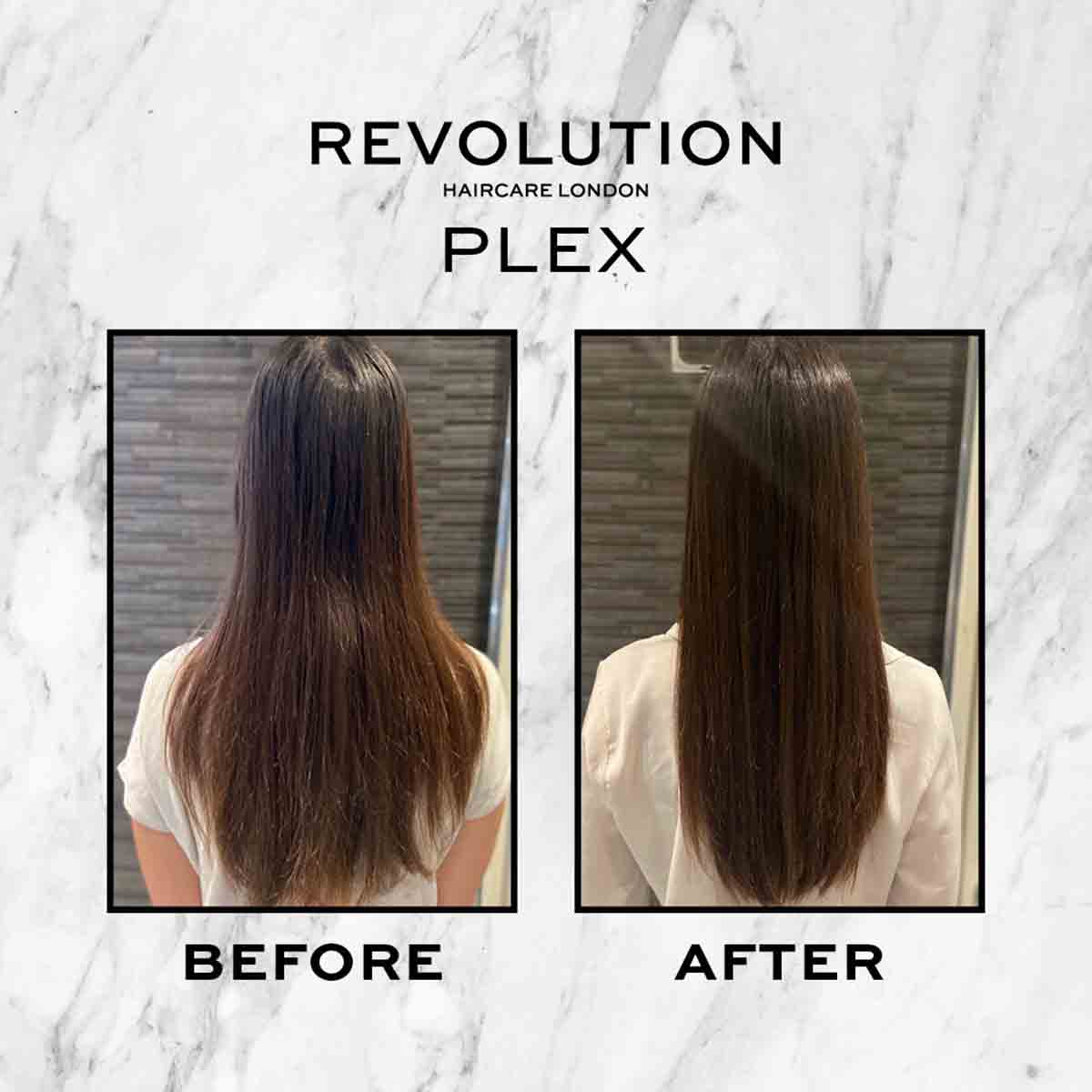
Revolution
Plex 4 Bond Plex Shampoo
Shampoo
- New
- Online Exclusive


SSBB by Enercos Pro
Enercos Smart System Bond Builder Hair Shampoo
Shampoo
- New
- Online Exclusive

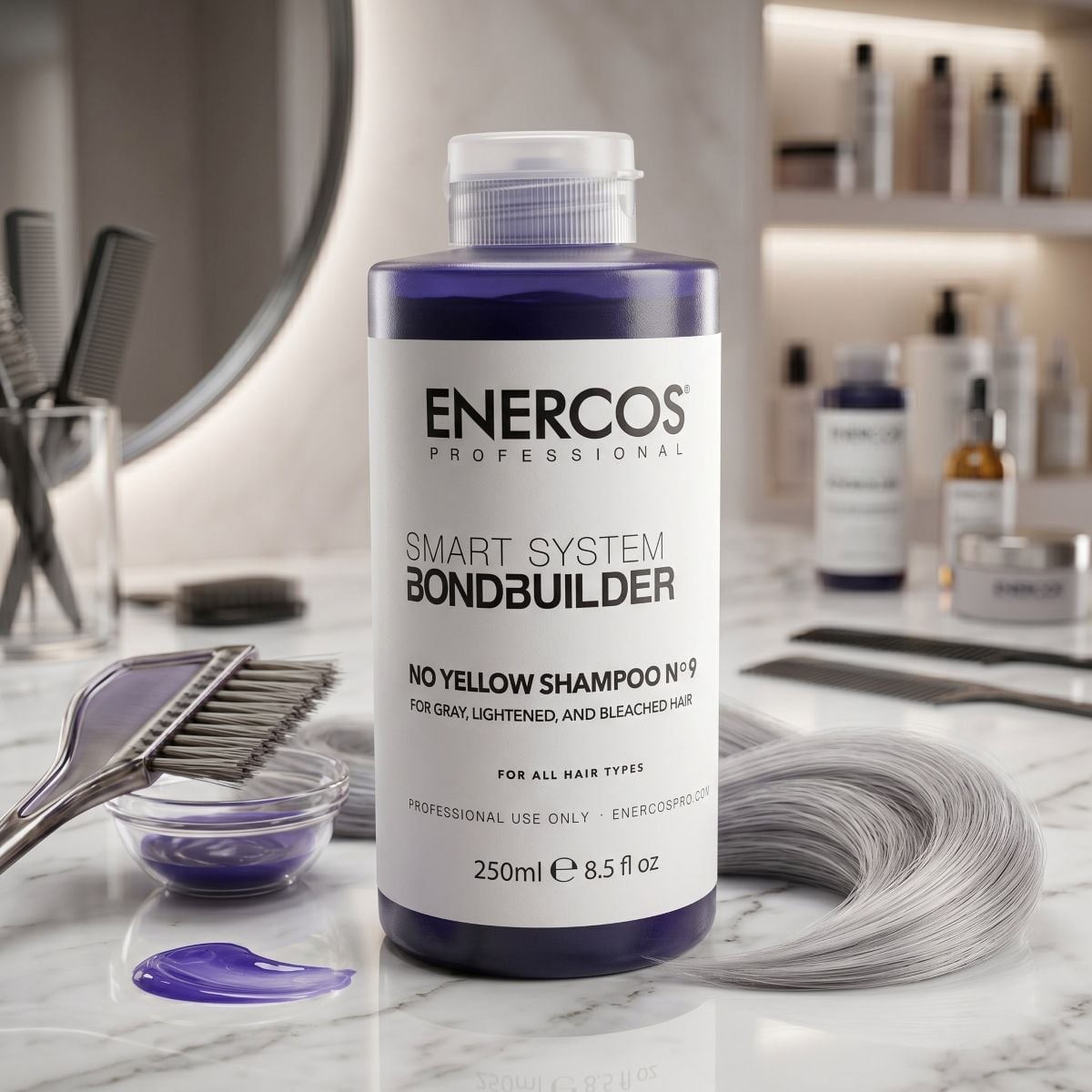
SSBB by Enercos Pro
Smart System Bond Builder No Yellow Hair Shampoo
Shampoo
You might also like
- Online Exclusive
Evo
Gangsta Grip Bonding Resin
Hair Styling
- New
- Online Exclusive

SSBB by Enercos Pro
Smart System Bond Builder Hair Bond Prepping
Hair Treatment & Tools
- New
- Online Exclusive

SSBB by Enercos Pro
Smart System Bond Builder Hair Bond Hair Boosting
Hair Treatment & Tools

Atkinsons
24 Old Bond Street Eau De Cologne 100ml
Unisex Perfume
- Online Exclusive
Revolution
Plex 6 Bond Restore Styling Cream
Hair Cream
- New
- Online Exclusive

SSBB by Enercos Pro
Smart System Bond Builder Leave-in Conditioner
Conditioner

Estee Lauder
Spell Bond For Women Eau De Parfum 50ml
Women Perfume
- New

Kevin Murphy
Everlasting Colour Leave In Bond Building Colour Protective Treatment
- New

Kevin Murphy
Everlasting Colour Treatment Home Kit 3 Pack A Bond Building Treatment
Haircare Set
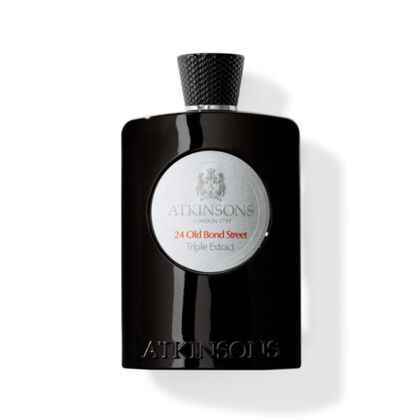
Atkinsons
24 Old Bond Street Triple Extract Eau De Cologne 100ml
Women Perfume
- Online Exclusive

Revolution
Plex 5 Bond Plex Conditioner
Conditioner
- New
- Online Exclusive

SSBB by Enercos Pro
Smart System Bond Builder Hair Conditioner
Conditioner
- Online Exclusive

Revolution
Plex 3 Bond Restore Treatment
Hair Cream
- New
- Online Exclusive
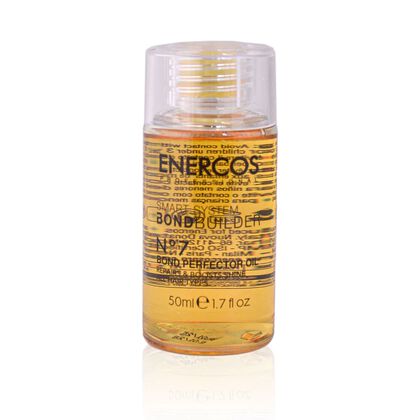
SSBB by Enercos Pro
Smart System Bond Builder Hair Perfector Oil
Hair Oil
- New
- Online Exclusive

SSBB by Enercos Pro
Smart System Bond Builder Travelling Kit
Hair Treatment & Tools
- New
- Online Exclusive

SSBB by Enercos Pro
Smart System Bond Builder Hydrating Intensive Hair Mask
Hair Mask
- Online Exclusive
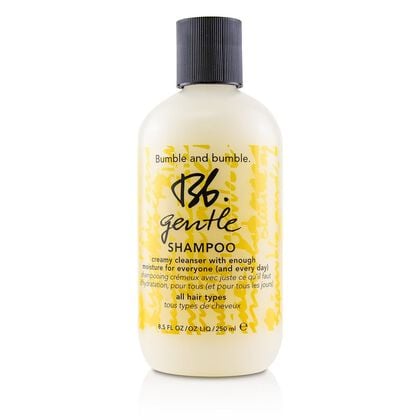
Bumble and Bumble
Gentle Shampoo
Shampoo
- Online Exclusive
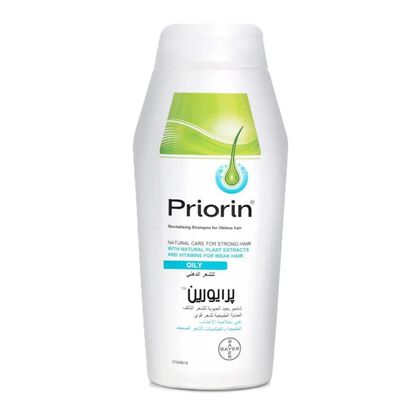
Bayer Consumer
Priorin Shampoo
Shampoo
- Online Exclusive

Abyssian
Hydrating Volumizing Shampoo
Shampoo
- Online Exclusive
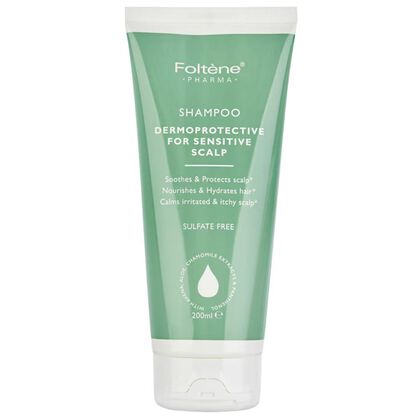
Foltene
Pharma Dermoprotective Shampoo
Shampoo
- Online Exclusive
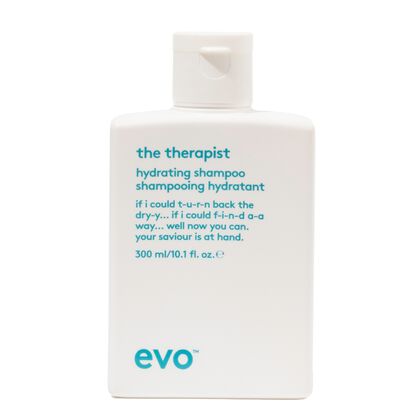
Evo
The Therapist Shampoo
Shampoo
Bonding shampoo
Understanding Bonding Shampoos: Ingredients That Matter
The primary function of bonding shampoos lies in their ability to reconstruct the structural integrity of hair fibers, utilizing ingredients like hydrolyzed keratin, amino acids, and specific polymers. When applied correctly, these shampoos not only cleanse but also fortify the hair strands, preventing further damage during the washing process. It is imperative for discerning consumers to examine product formulations closely; those rich in silicones may offer immediate gloss but can lead to buildup over time, which might weigh down finer hair types. A formulation targeting thorough penetration into the hair shaft without excessive residue is paramount for maintaining vibrant, healthy tresses.
Tailoring Bonding Shampoos to Climate Needs
The Middle Eastern climate presents unique challenges for hair care enthusiasts; therefore, selecting a bonding shampoo that adapts seamlessly to these conditions is crucial. In blistering summer months, your chosen product should not only combat dryness induced by heat but also provide essential hydration without overwhelming the scalp with heavy residues. Conversely, during winter’s cooler months where indoor heating can contribute to dehydration, a richer formula infused with nourishing oils would be more beneficial. The trade-off here is selecting between lightweight formulations that promote airy volume versus those that deeply condition but may leave hair feeling slightly weighed down or greasy if over-applied.
Olfactory Profiles in Bonding Shampoos: Scent Considerations
A notable aspect of many luxury bonding shampoos is their fragrance profile. Some brands infuse their formulations with Oud or exotic floral notes that resonate well within Middle Eastern beauty traditions; however, those scents can significantly influence personal preferences and should align with one’s signature aroma. It’s worth noting that stronger fragrances can sometimes mask residual effects of silicone-heavy ingredients—if you prioritize longevity over sillage in scent performance, ensure your choice harmonizes seamlessly with your existing fragrance wardrobe rather than overwhelming it. Each scent carries its own associative power—select wisely based not only on allure but also on how it complements your overall aesthetic.