
 WhatsApp
 Phone
Phone
 Email
Email


C and e serum
Serums containing vitamins C and E are engineered to protect the skin from oxidative stress while boosting its radiance. The chemistry behind these formulations reveals a complex interplay of antioxidants that work synergistically to combat environmental aggressors.

- New
- Online Exclusive
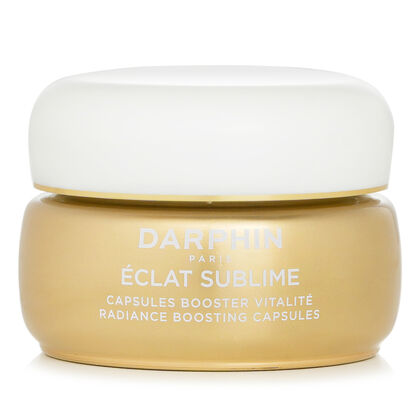
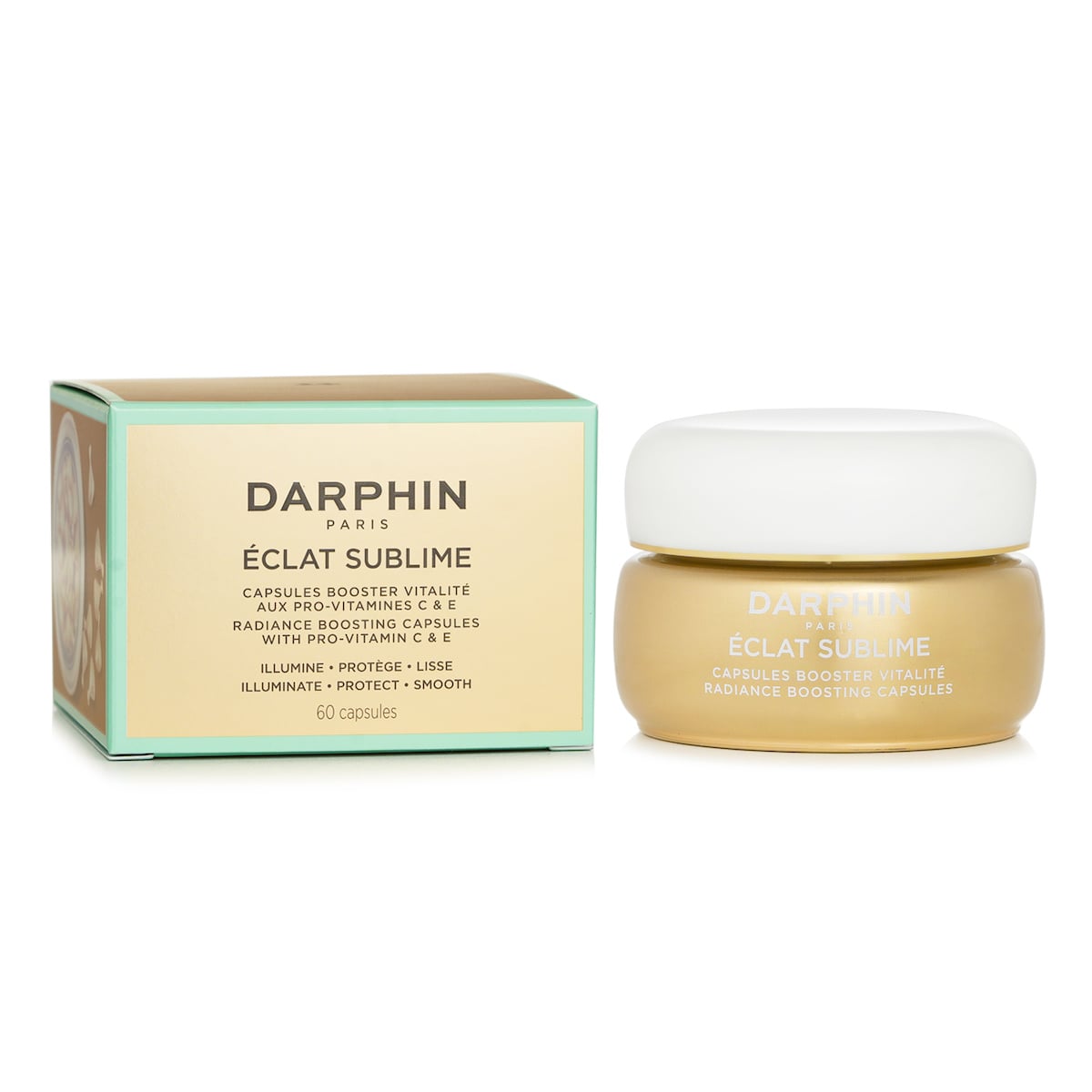
Darphin
Éclat Sublime Radiance Boosting Capsules With Pro-vitamin C And E
Face Serum
- New
- Online Exclusive
Darphin
Eclat Sublime Radiance Boosting Capsules With Pro-vitamin C And E
Face Serum
- Online Exclusive

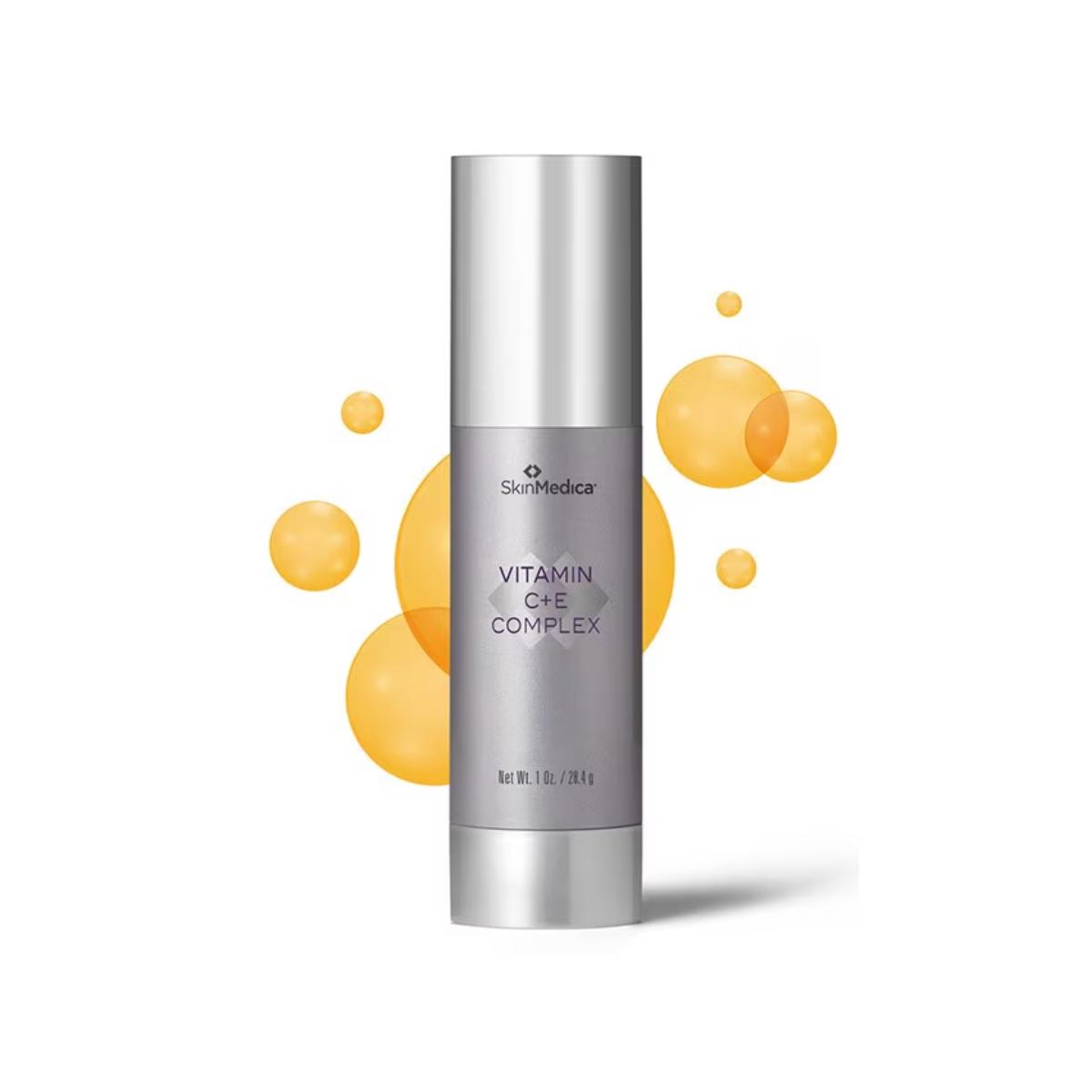
Skinmedica
Vitamin C + E Complex
Face Serum
You might also like
- Save 25%

Dermadoctor
Kakadu C 20% Vitamin C E Ferulic Acid Evening Oil
Face Oil
- Online Exclusive
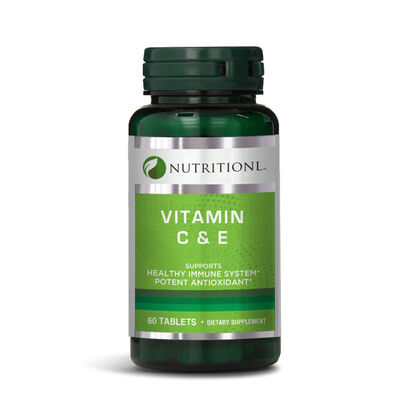
Nutritionl
Vit C & E With Rose Hips
Supplements
- New
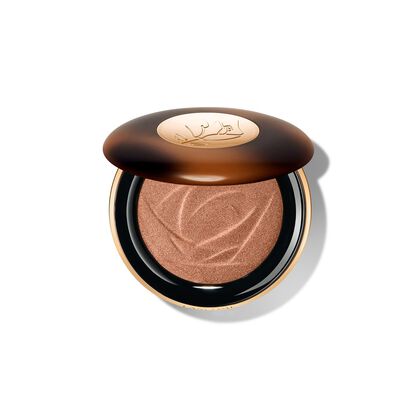
Lancome
Teint Idole Ultra Wear C E Skin Transforming Highlighter
Highlighter
- New
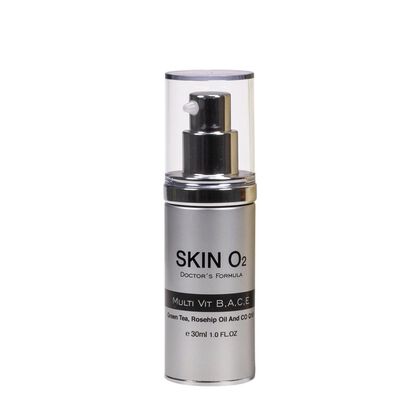
Skin O2
Multi Vit B A C E
Face Moisturizers
- Online Exclusive
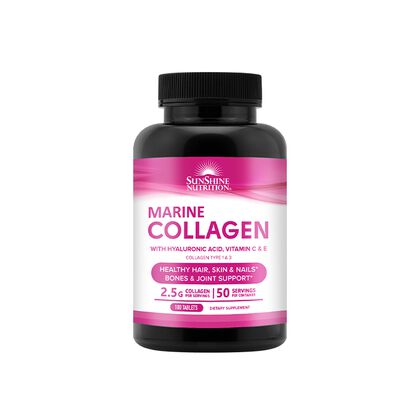
SunShine
Nutrition Marine Collagen With Vitamin C&e
Supplements
- New

Lancome
Teint Idole Ultra Wear C E Skin Transforming Bronzer
Bronzer
- New

Lancome
Teint Idole Ultra Wear C.e. Skin Transforming
Highlighter
- New
- Online Exclusive
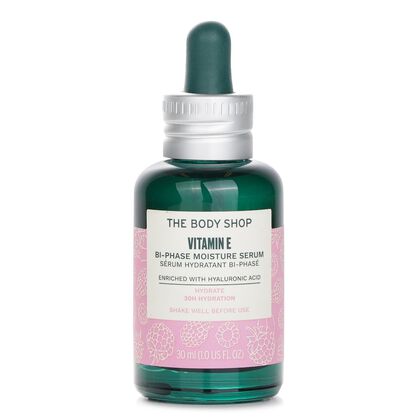
The Body Shop
Bi Phase Serum Vitamin E
Face Serum
- Online Exclusive
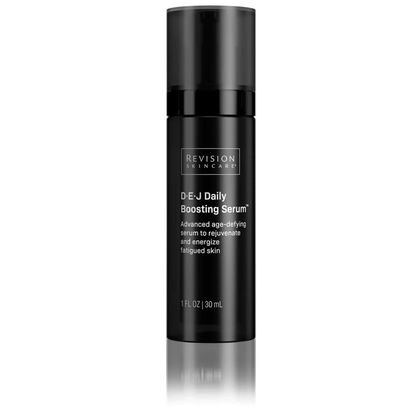
Revision Skincare
D.e.j Daily Boosting Serum
Face Serum
- New
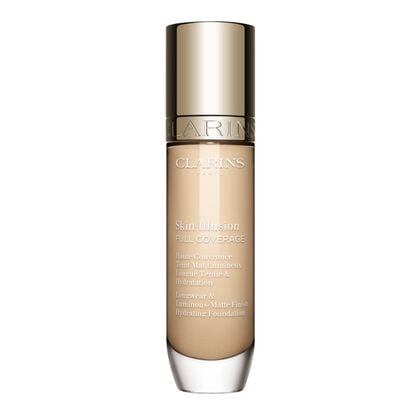
Clarins
Skin Illusion Full Coverage
Foundation
- Online Exclusive
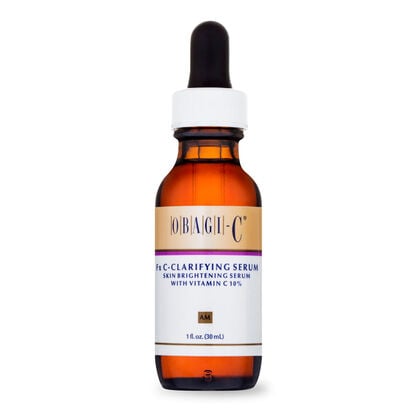
Obagi
Obagi-c Fx C-clarifying Serum
Face Serum
- Online Exclusive

Dermalogica
Biolumin-c Serum
Face Serum
- Online Exclusive
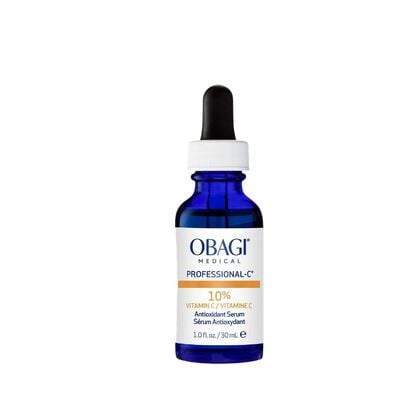
Obagi
Professional-c Serum 10%
Face Serum
- New
- Online Exclusive

DermaQuest
Ferulic Infusion + C Serum
Face Serum
- New
- Online Exclusive
- Sale

Brucke
A.c.c. Cure Ampoule Serum
Face Serum
- Online Exclusive

Eveline
C Sensation Anti-wrinkle Serum
Face Serum
- New
- Online Exclusive
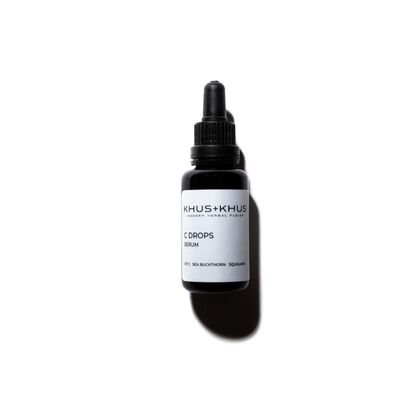
Khus+Khus
C Drop Serum
Face Serum
- New

Hyeja
Vegan Yuja Vitamin C Brightening Serum
Face Serum
- Online Exclusive

The Face Shop
Tangerine Vita C Brightening Serum
Face Serum
- Online Exclusive

Beauty Pro
Brightening Vitamin C 10% Daily Serum
Face Serum
- Bestseller
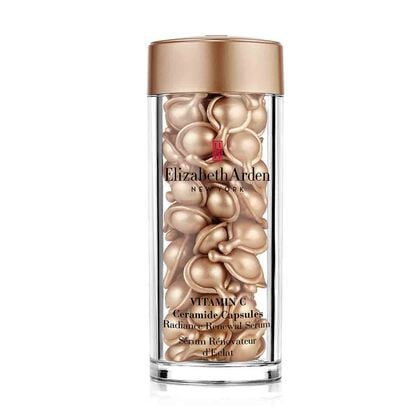
Elizabeth Arden
Vitamin C Ceramide - Radiance Renewal Serum
Face Serum
C and e serum
Oily and Acne-Prone Skin
When considering vitamin C and E serums for oily or acne-prone skin, look to formulations that emphasize lightweight textures and oil-free bases. The trade-off here is often between hydration and lightness; some products may sacrifice moisture to maintain a non-greasy feel. For instance, the allure of a serum enriched with salicylic acid alongside vitamin C can provide dual-action benefits by targeting blemishes while brightening the complexion. However, if your skin cannot tolerate heavy silicones, you might experience fluctuations in oil production or increased breakouts from certain formulations designed for additional hydration.
Normal to Combination Skin
A serum like this should cater to normal to combination skin types through balanced moisturization without excess shine or weight. Here, you might find products that combine vitamin E’s nourishing properties with vitamin C’s invigorating effects, striking an optimal balance between hydration and a lightweight finish. Nevertheless, the trade-off here is that those looking for heavier coverage may find these serums lacking in richness for dry patches—while they effectively manage oilier areas without overwhelming them, they fall short during winter months when deeper hydration is paramount.
Climate Adaptability: UAE Summer vs. Winter Conditions
The stark contrasts in climate throughout the UAE necessitate careful selection of vitamin C and E serums based on seasonal demands. In summer's oppressive heat, formulations designed with cooling agents can provide immediate relief while improving dullness caused by sun exposure; however, these lighter textures may not hold up against the intense UV rays without concurrent use of adequate SPF protection. Conversely, winter months call for richer formulations infused with additional hydrating agents such as hyaluronic acid or glycerin to counteract dryness and support barrier function. While these thicker serums can be beneficial during colder months, they might feel uncomfortable in humid summer weather where lightweight options would excel instead.