
 WhatsApp
 Phone
Phone
 Email
Email


Hot perfume
The creation of hot perfumes, particularly those enriched with oud and other luxurious notes, lies in the precise balance of volatile aromatic compounds. This intricate formulation demands not only an understanding of perfumery but also a mastery of the materials that evoke emotion and memory through scent.


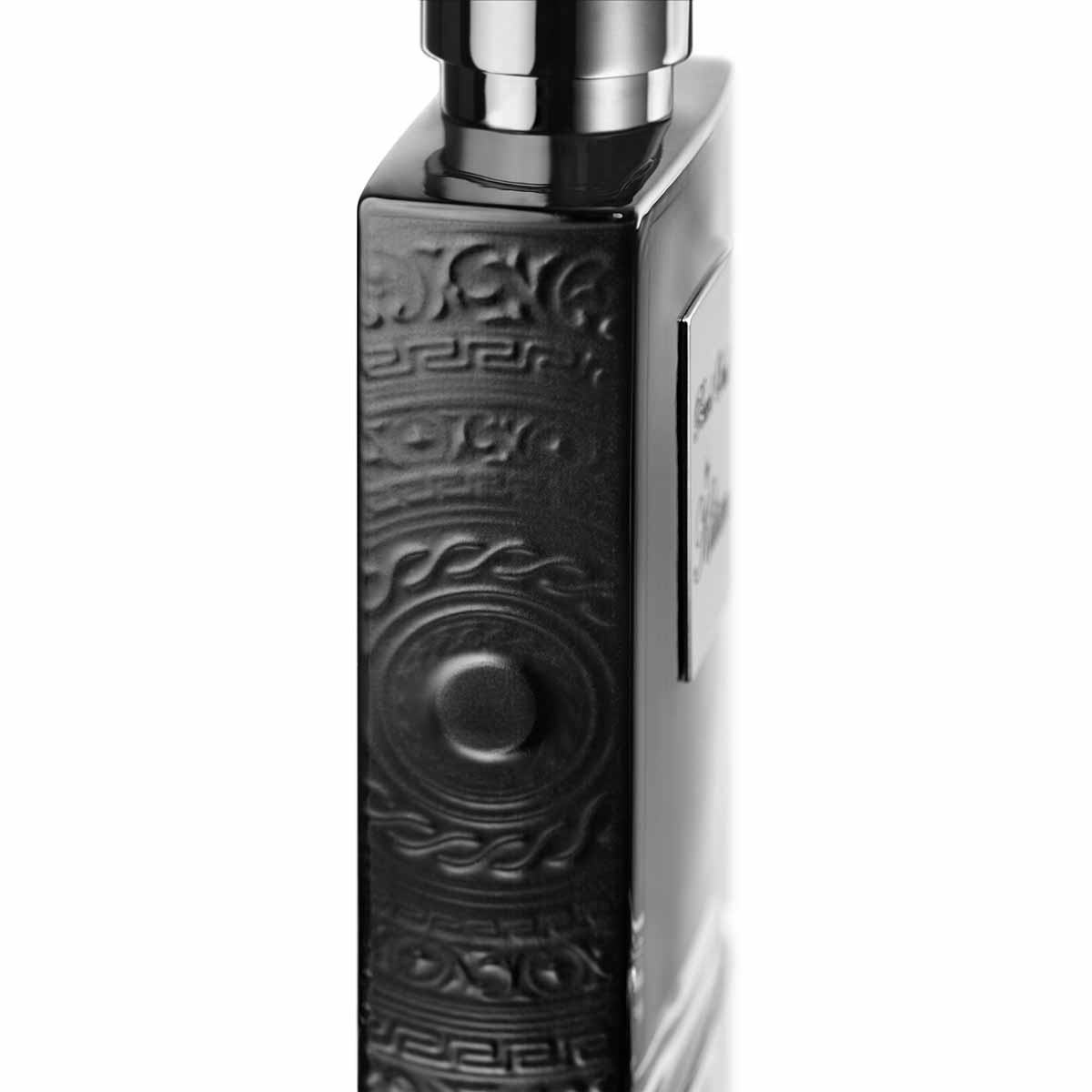
Smoking Hot
Women Perfume
- New
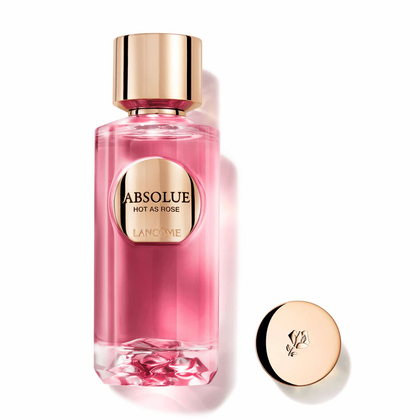
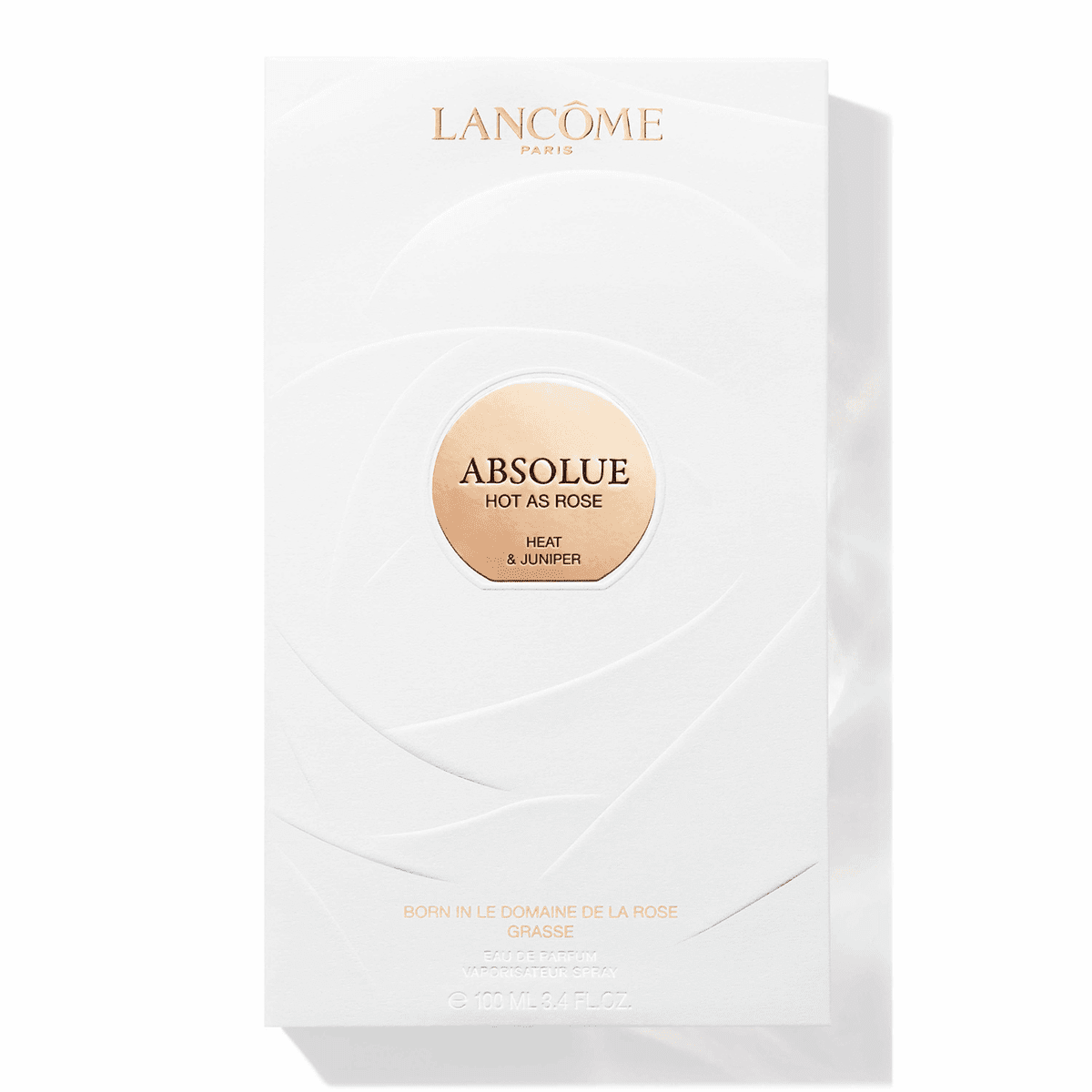
Lancome
Absolue Les Parfum Hot As Rose
Women Perfume
- New
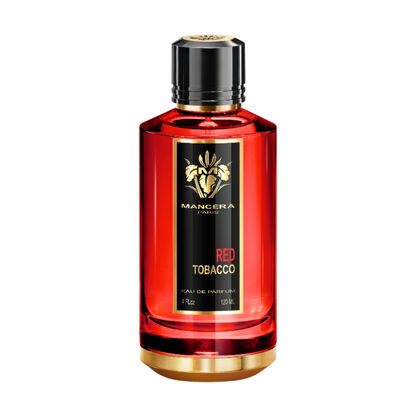
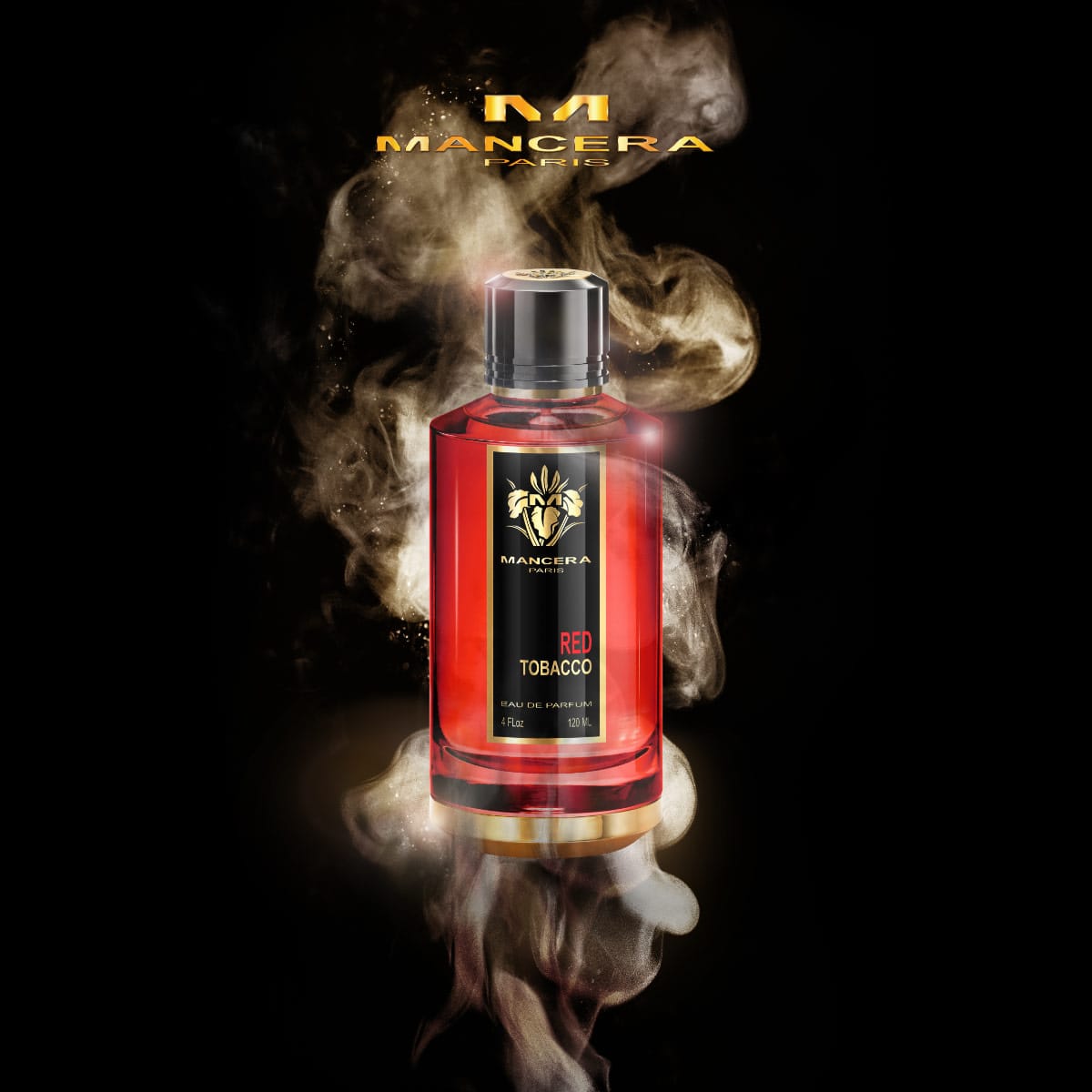
Mancera
Red Tobacco
Unisex Perfume
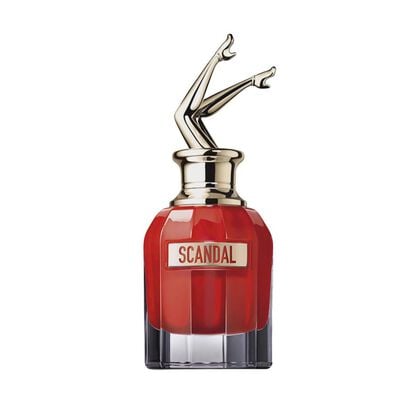

Jean Paul Gaultier
Scandal Le Parfum Her Eau De Parfum
Women Perfume
- New
- Online Exclusive
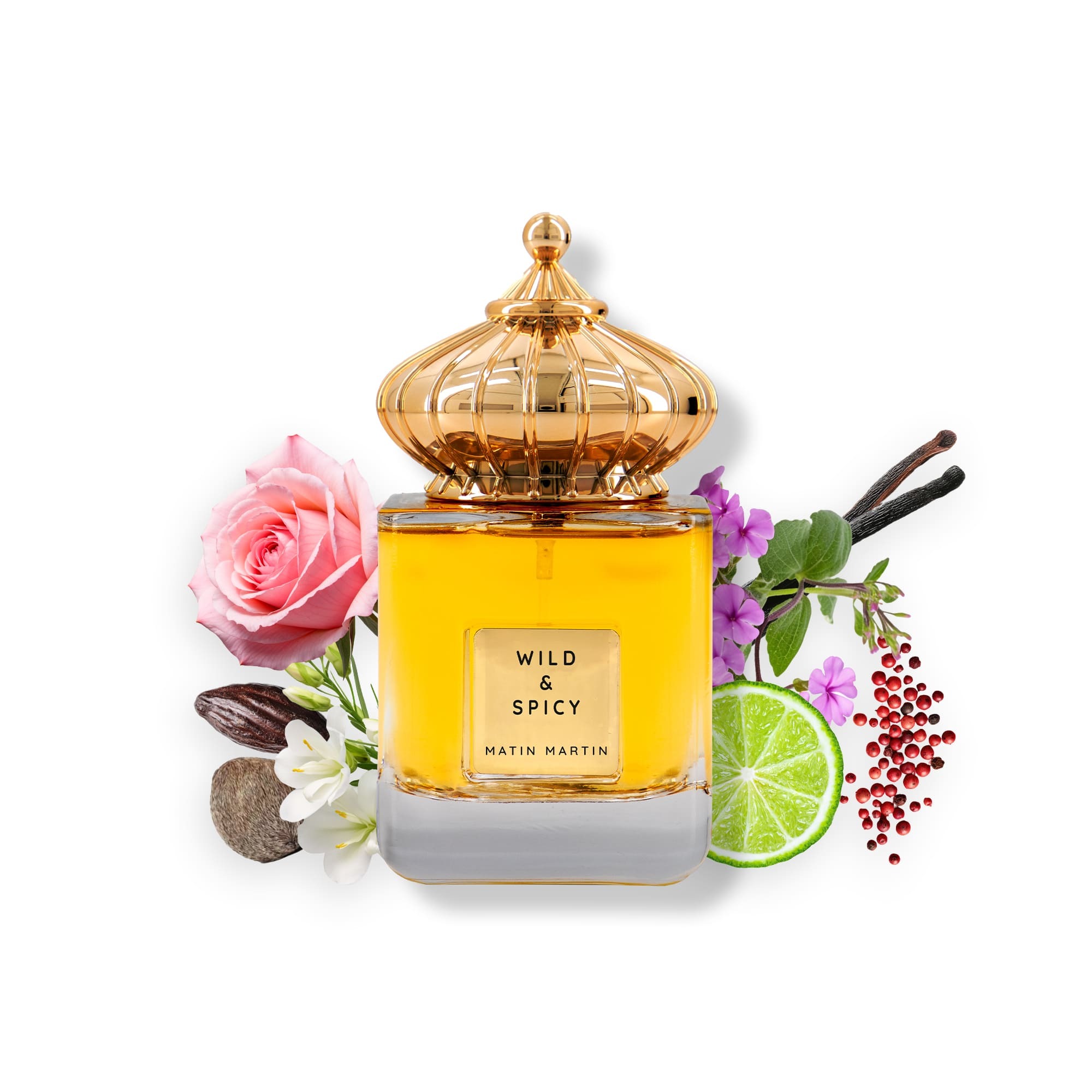
Matin Martin
Wild & Spicy
Unisex Perfume
- Bestseller
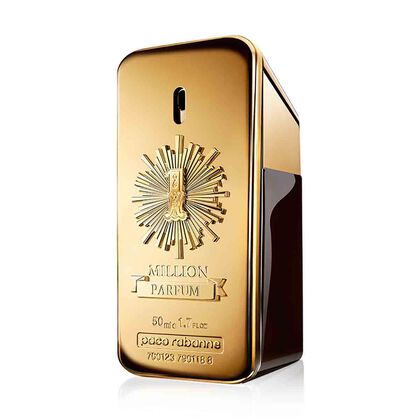
Rabanne
One Million Parfum Eau De Parfum
Men Perfume
- Bestseller

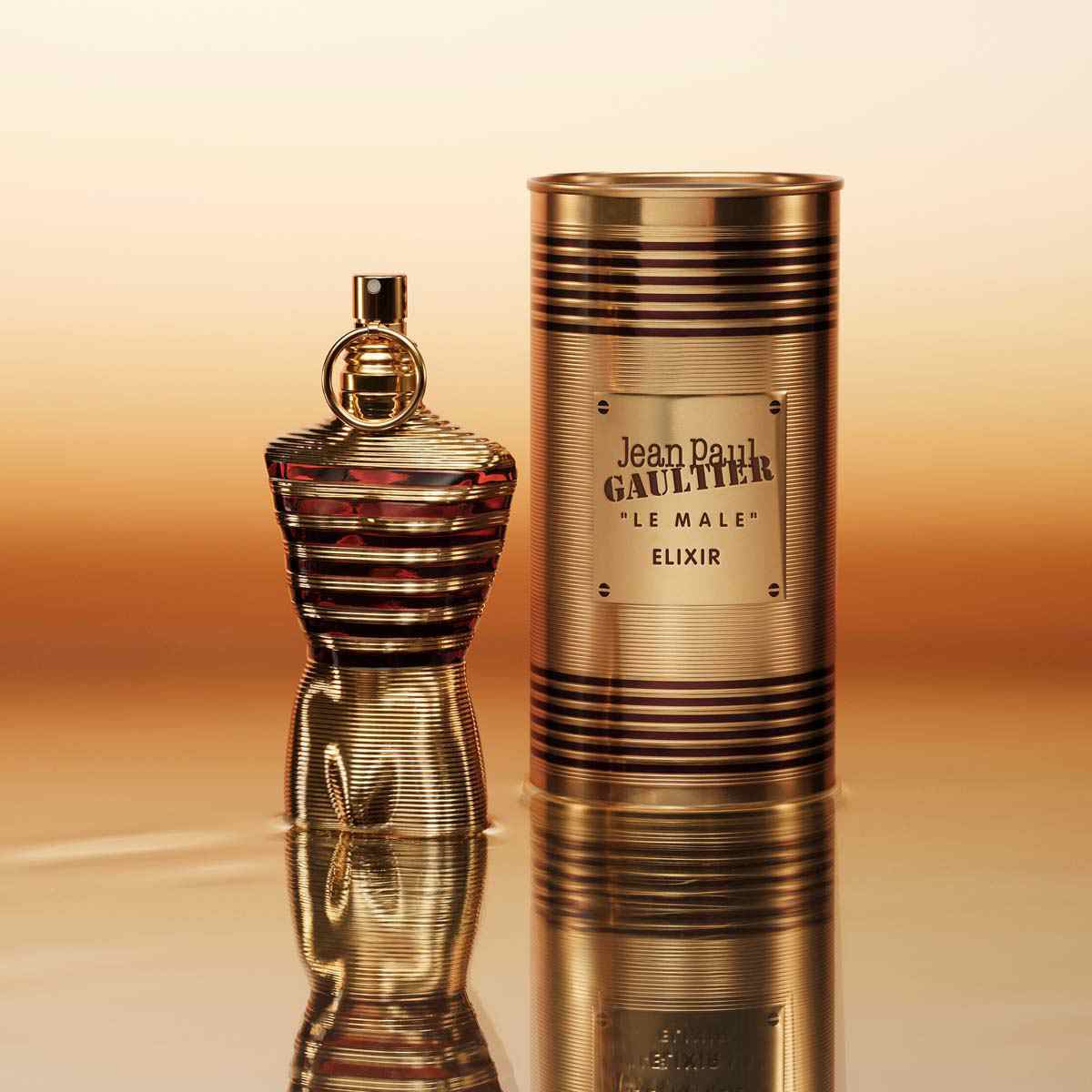
Le Male Elixir - Eau De Parfum - 125ml
Men Perfume
- New
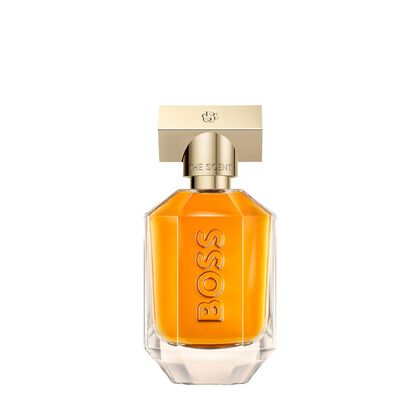
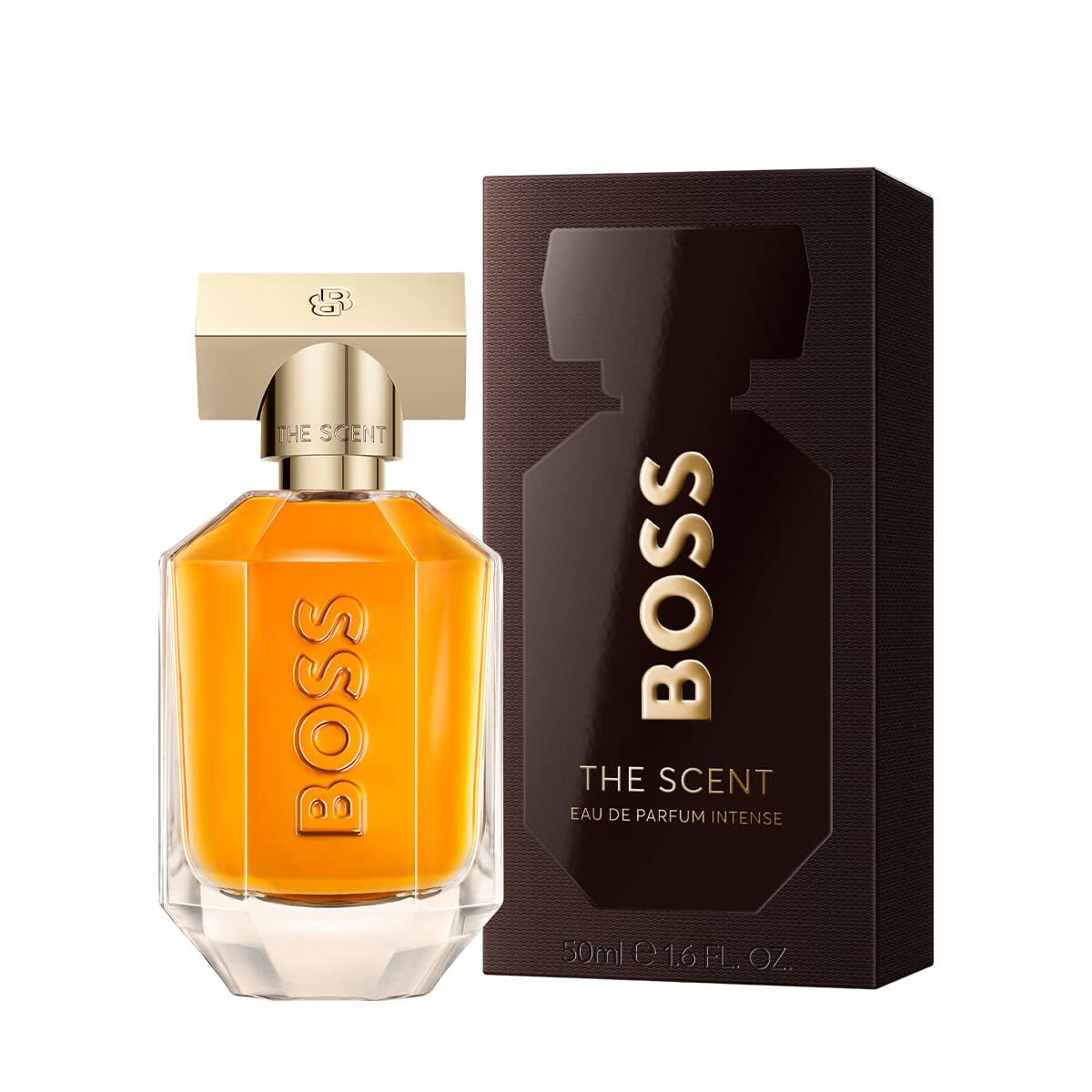
Hugo Boss
Boss The Scent Intense
Women Perfume
- Bestseller
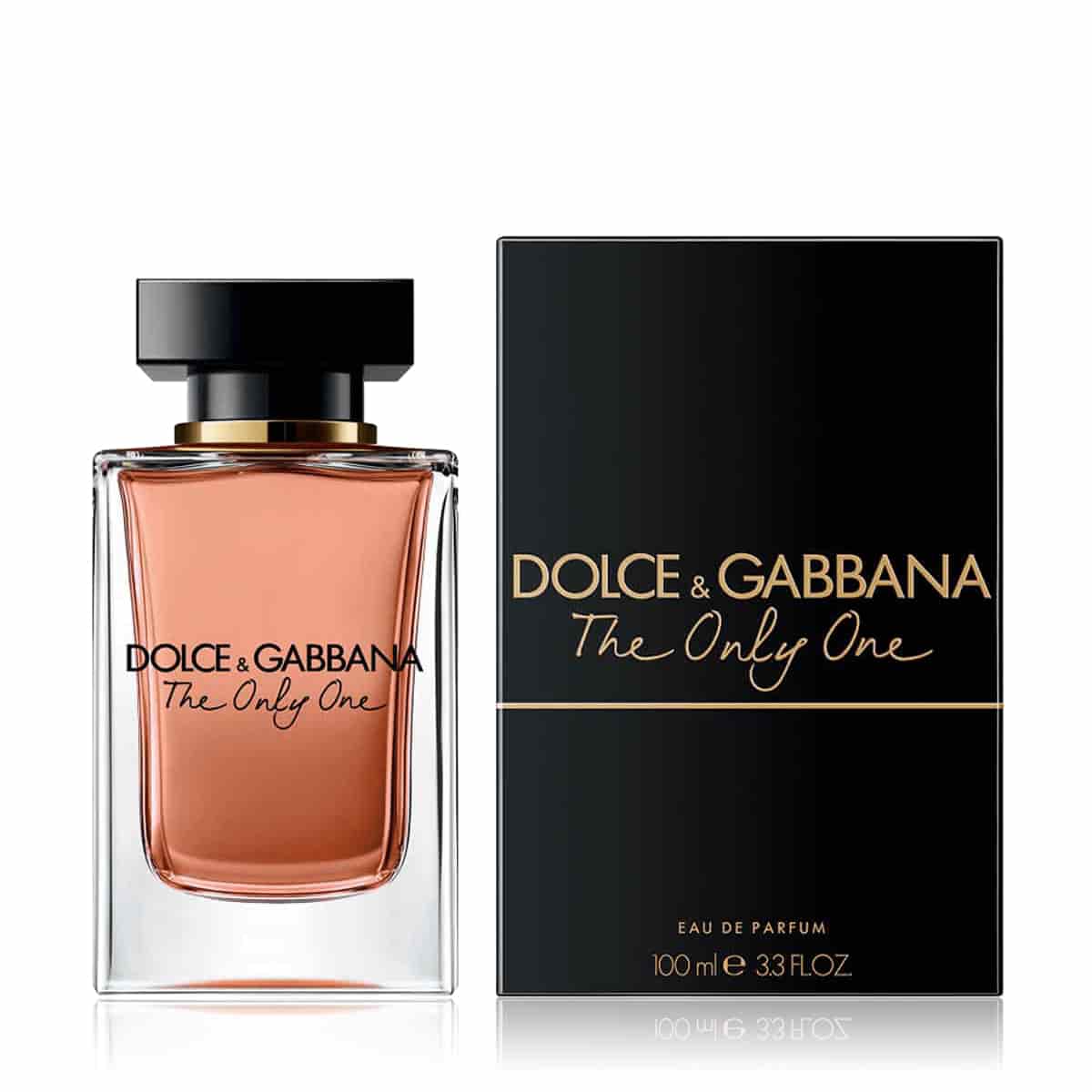
Dolce & Gabbana
The Only One Eau De Parfum
Women Perfume
- New
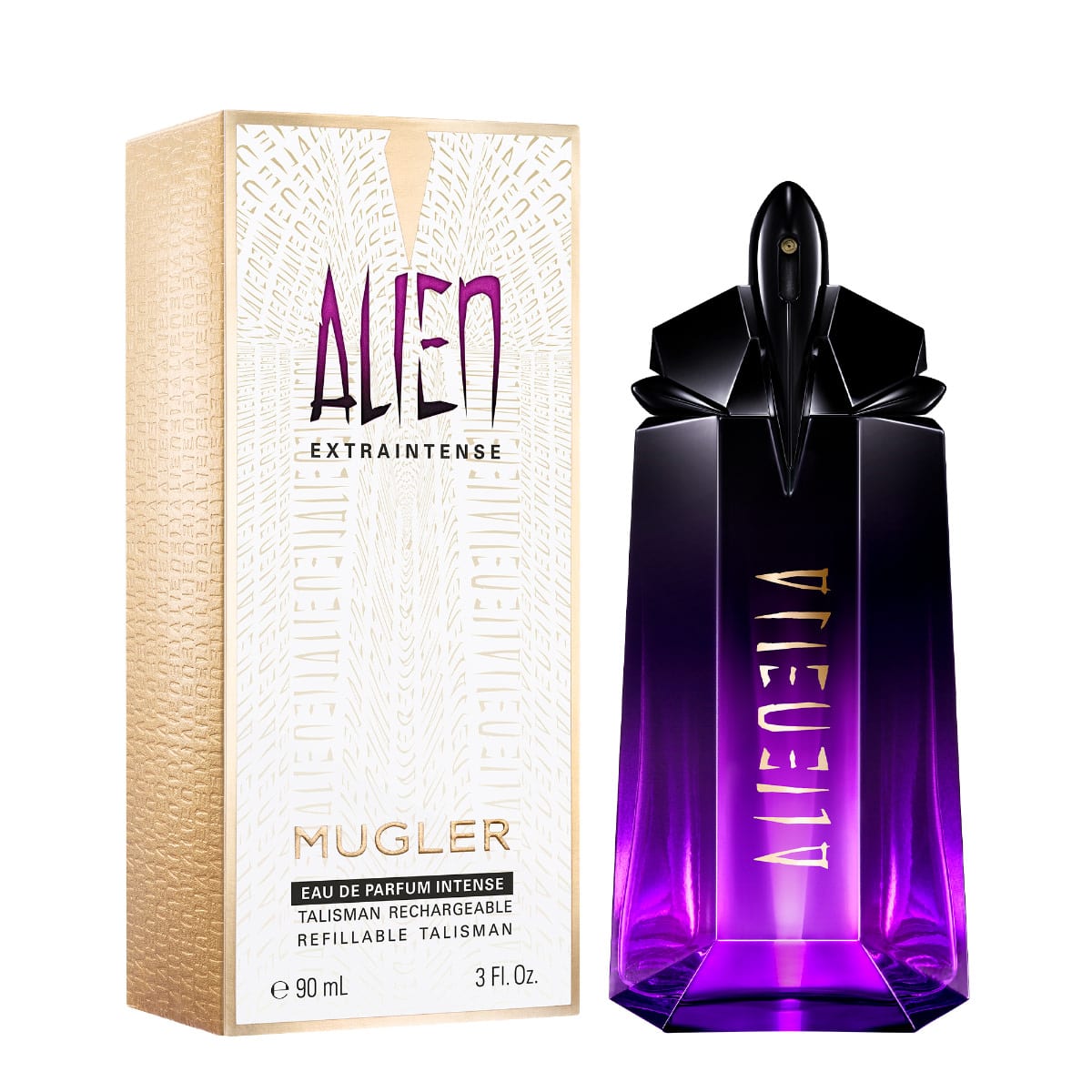
Mugler
Alien Extraintense
Women Perfume
- New
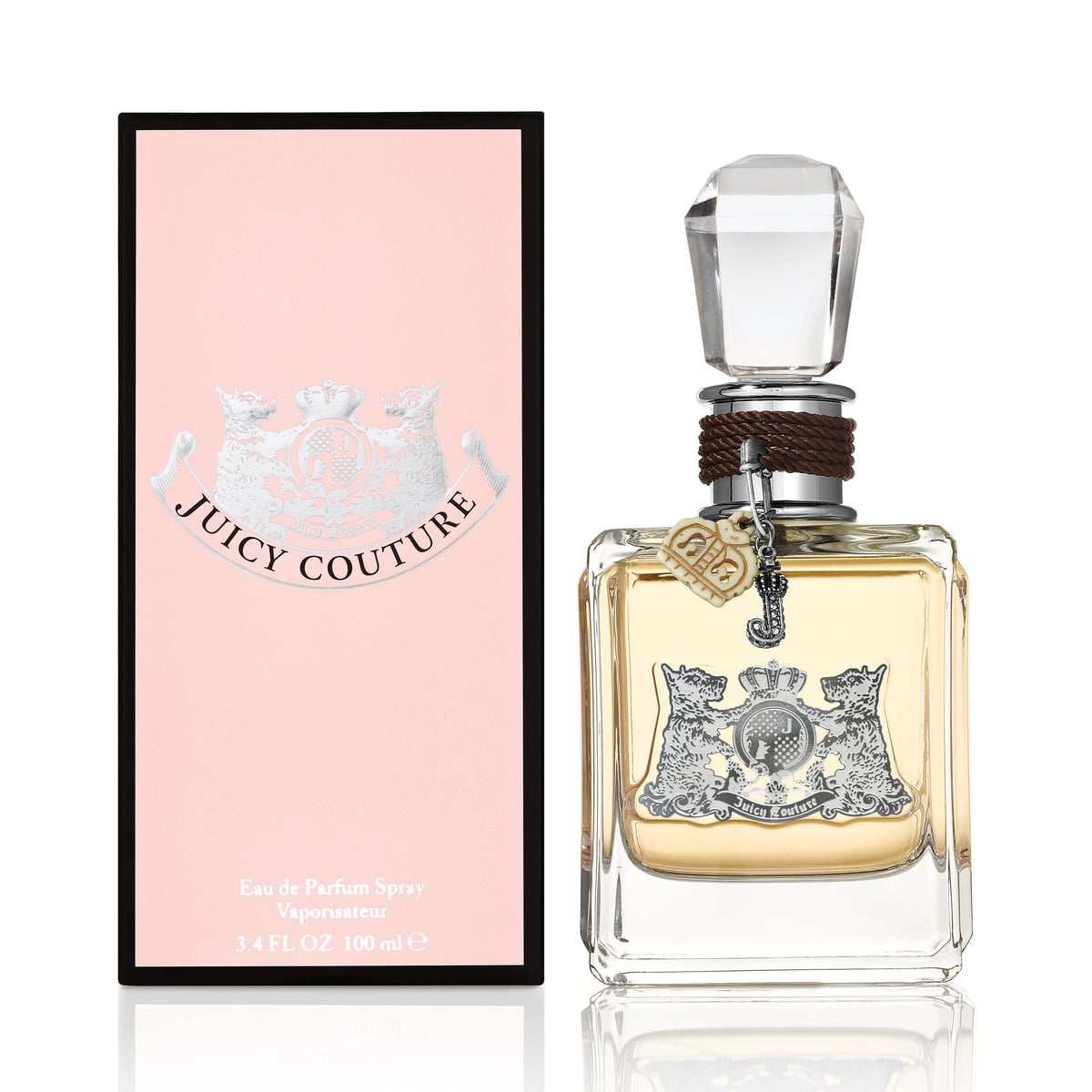
Juicy Couture
Juicy Couture
Women Perfume
- New
- Online Exclusive
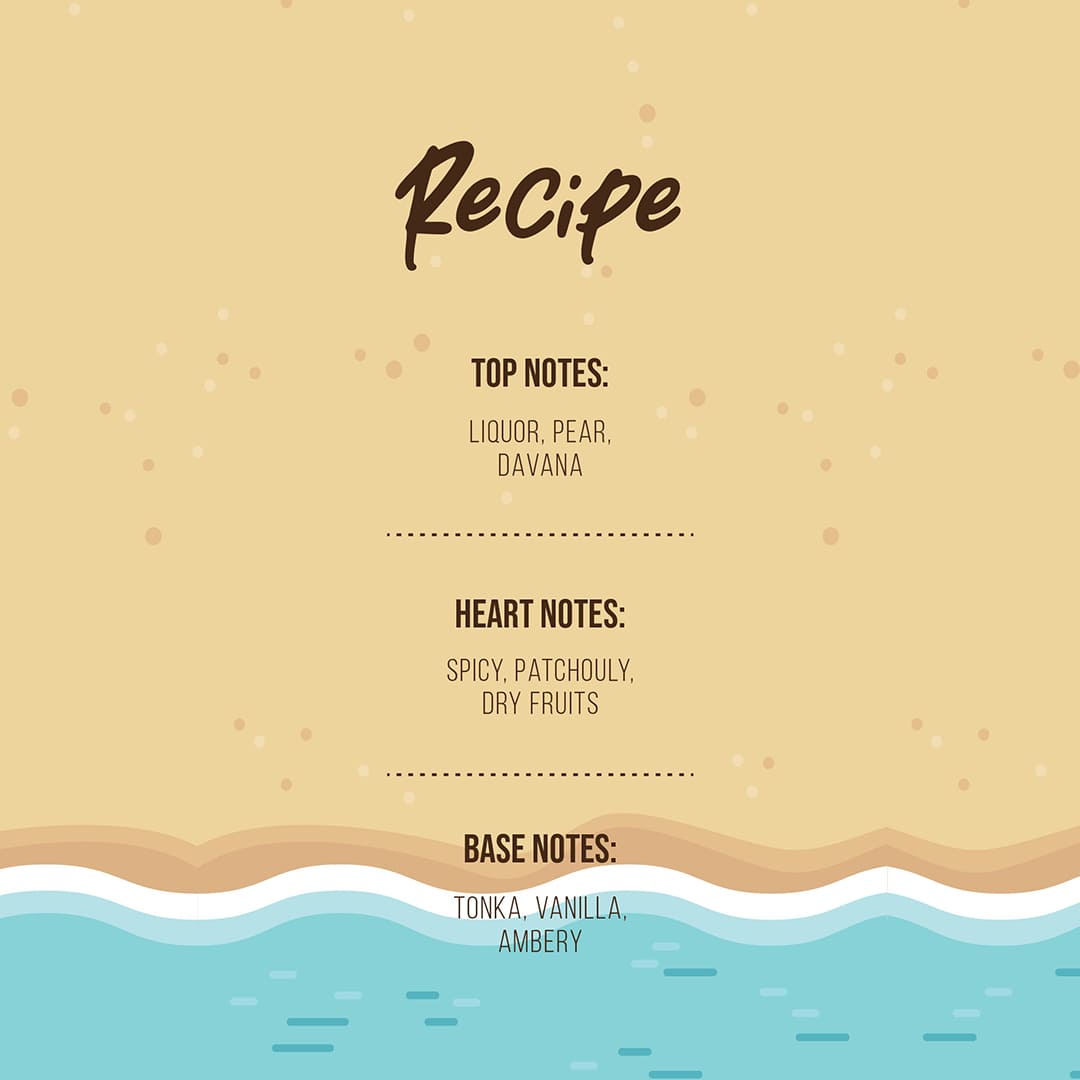
Gulf Orchid
Vanilla On The Beach
Unisex Perfume
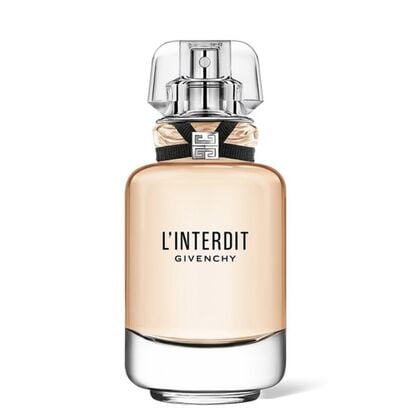
Givenchy
L'interdit Eau De Toilette
Women Perfume
- Bestseller
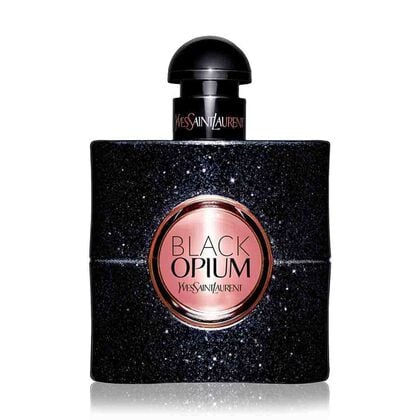

YSL
Black Opium Eau De Parfum
Women Perfume
- New

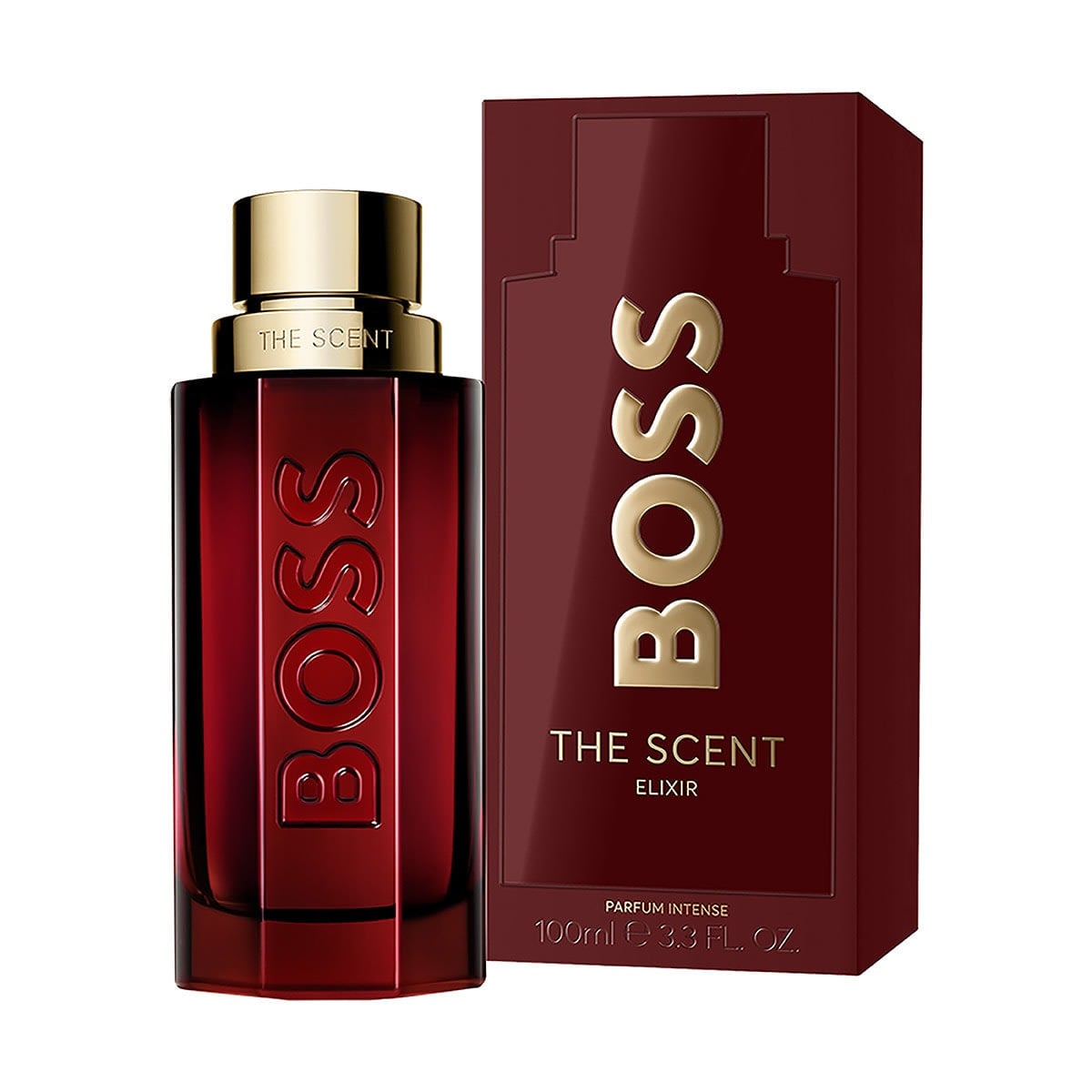
Hugo Boss
The Scent Elixir Intense
Men Perfume
- New

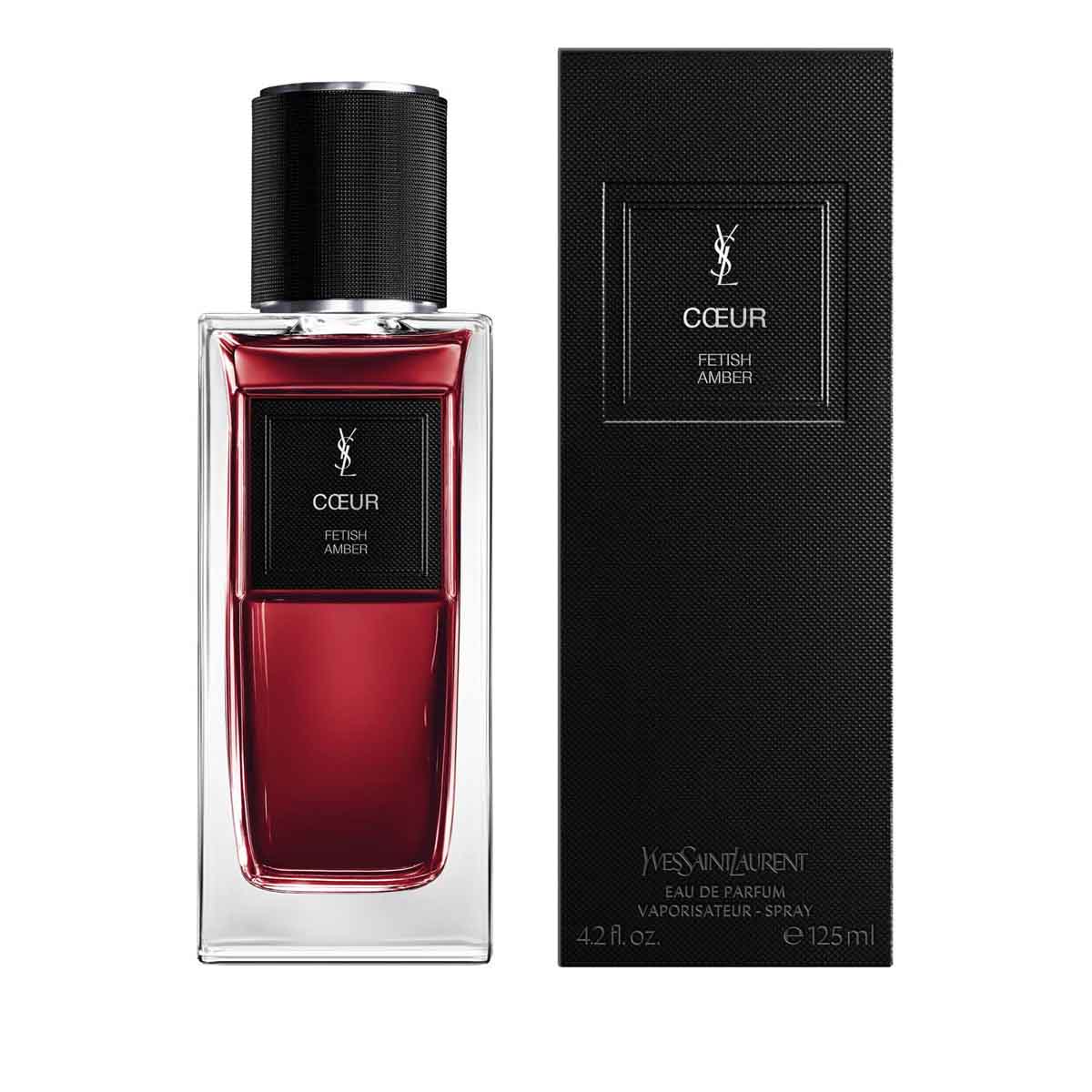
YSL
Coeur Fetish Amber
Women Perfume
Hot perfume
Olfactory Profiles: The Allure of Oud
Within the realm of luxury fragrances, oud has established itself as a pinnacle ingredient, especially in Middle Eastern perfumery. The richness and depth offered by oud-based perfumes create a captivating olfactory experience that speaks to both tradition and modernity. Consider a fragrance that blends noble oud with florals such as rose; this combination results in an opulent scent that resonates with sophistication yet dances delicately upon the skin. However, the trade-off here is oftentimes a heavier sillage that may overwhelm those who prefer lighter fragrances for everyday wear. In contrast, an oud-infused fragrance with fresh citrus elements can offer an inviting brightness without sacrificing complexity, catering to those who seek versatility throughout various occasions while harnessing the essence of traditional ingredients.
Climate Adaptability: Winter Warmth vs. Summer Freshness
The climatic extremes experienced in the UAE present unique challenges for discerning perfume aficionados. For instance, during sweltering summer months, lighter formulations become paramount; they should embrace airy notes like bergamot or jasmine alongside subtle woodiness from oud to avoid cloying heaviness that can develop under intense heat. A hot perfume designed for summer will likely sacrifice some longevity for immediate freshness—this means reapplication is necessary throughout the day to maintain its delightful presence. Conversely, winter calls for warmer compositions laden with spices and richer resins which thrive in cooler temperatures; these scents often carry greater longevity as they interact beautifully with body heat yet risk becoming too intense indoors if one is not cautious about application.
Skin Types: Compatibility Matters
When selecting hot perfumes, it’s imperative to consider how scent interacts with your skin type. Oily skin tends to amplify fragrances more intensely due to increased natural oils acting as basenotes; thus individuals may find themselves gravitating towards deeper scents like amber or musk which endure longer on this skin type. Conversely, those with dry skin might seek out more hydrating formulations or even body mists layered underneath their chosen perfume—this approach provides added moisture that enhances sillage but does have limitations when it comes to longevity compared to oilier bases which hold fragrance more tenaciously. Ultimately, individual preferences paired with thoughtful consideration regarding climate and body chemistry will inform your journey through the world of hot perfumes—a landscape rich in olfactory pleasures waiting to be explored.