
 WhatsApp
 Phone
Phone
 Email
Email


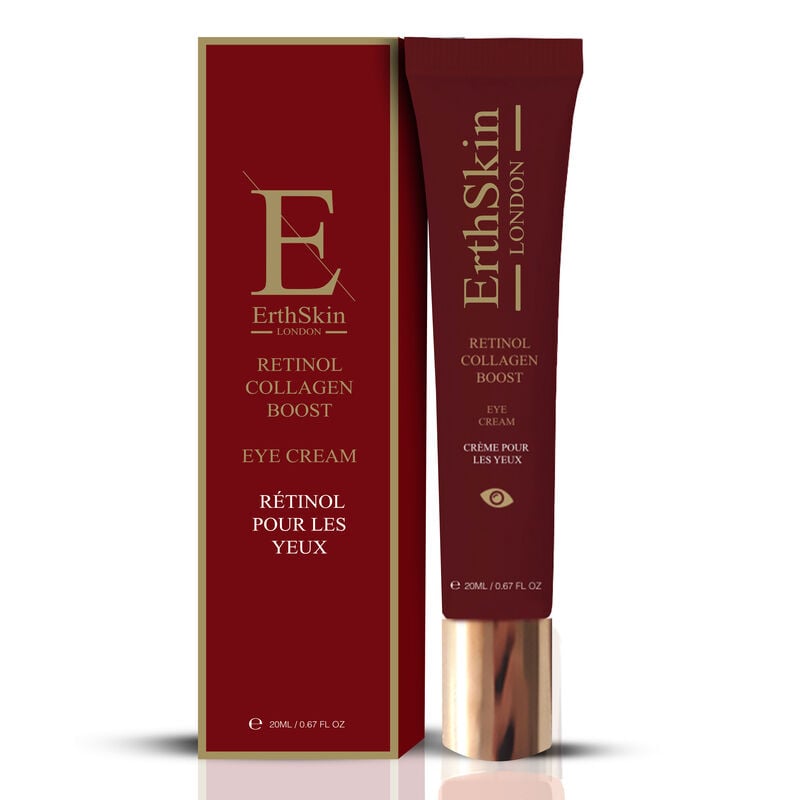
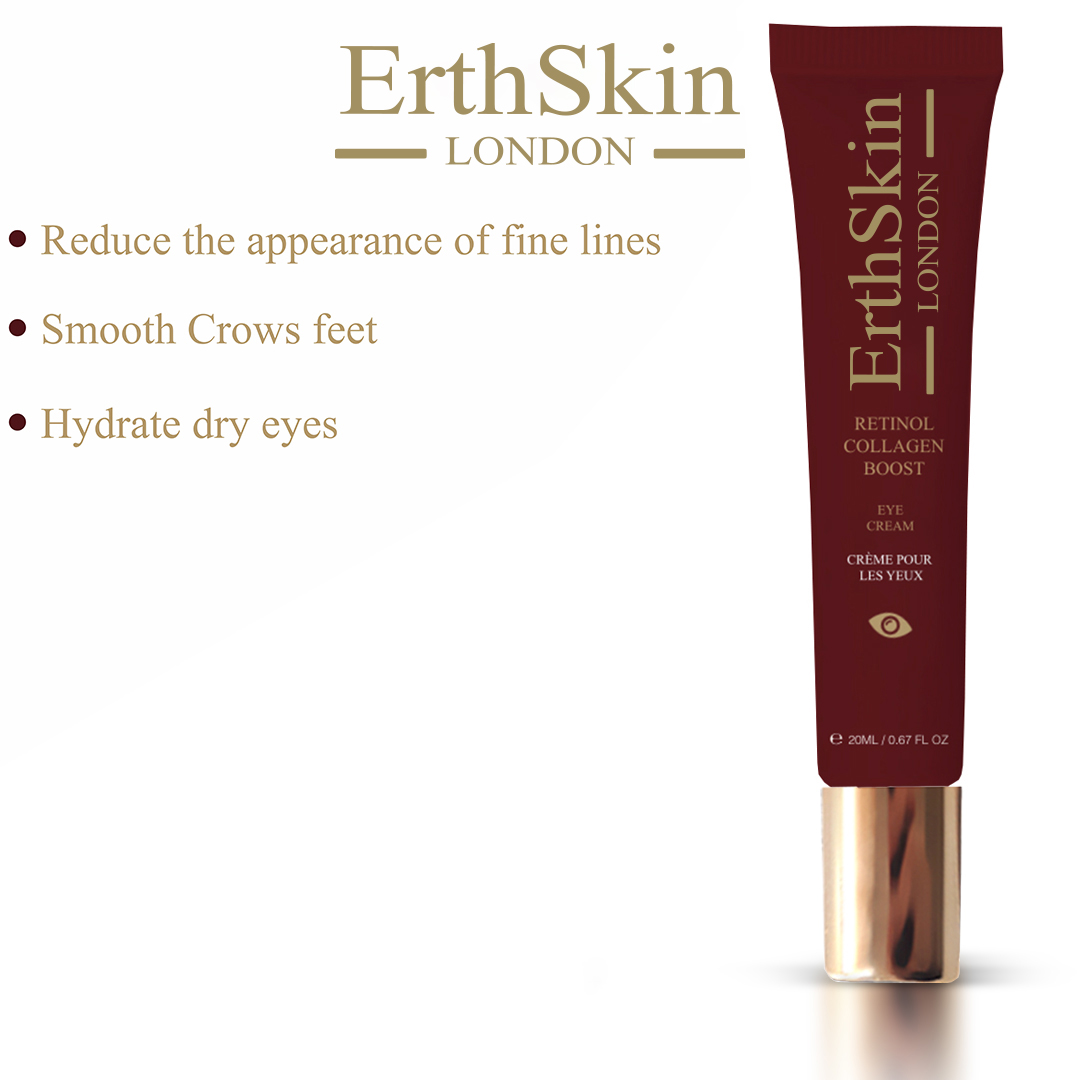
Retinol 20
Retinol 20 is a potent formulation that promises transformative results through its ability to accelerate cellular turnover and diminish the appearance of fine lines. This powerful derivative of Vitamin A is well-regarded for its scientifically supported efficacy in skin rejuvenation, making it a cornerstone in luxury skincare routines.

Retinol 20
Oily and Combination Skin Types
For those with oily or combination skin, the selection of retinol products must be approached with discernment. Formulations such as those featuring encapsulated delivery systems allow for gradual absorption, reducing potential irritation while maximizing efficacy. One notable option is a lightweight gel-based retinol that provides targeted action without overwhelming the skin's natural balance. The trade-off here is that while these formulations can offer fresh, matte finishes ideal for humid climates like the UAE's summer, they often fall short in providing as much hydration as creamier options do. Consequently, they may need to be layered with moisturizers to combat any dryness that may arise from the ingredients' potency.
Dry and Sensitive Skin Types
For individuals with dry or sensitive skin, selecting a retinol formulation should prioritize hydration alongside active ingredients. Creams infused with nourishing botanicals can counteract potential dryness brought on by retinol's effects; however, one must navigate carefully since not all hydrating components play well together. The trade-off here is that while these richer textures can deliver comfort and minimize irritation, they may feel heavier on the skin—an experience not always preferred in warmer months. Therefore, those residing in hot areas should consider applying such formulations during cooler evening hours to maximize absorption without discomfort.
Climate Adaptability: Summer vs. Winter Use
The regional climate significantly impacts how retinol products perform throughout different seasons—especially in a place like the UAE where temperatures can soar. During summer months when humidity levels are high, lighter formulations may be warranted to prevent excess oiliness and enhance comfort throughout the day. On the other hand, winter necessitates more robust moisturizers alongside retinol treatments to safeguard against environmental aggressors; otherwise, users risk exacerbating dryness or irritation often associated with colder air conditions. If your skin cannot tolerate heavy silicones due to sensitivity concerns during transitions between seasons, opting for silicone-free options might serve you better while still delivering effective results.