
 WhatsApp
 Phone
Phone
 Email
Email


Sensual perfume
In the world of luxury perfumery, sensual perfumes often derive their allure from complex ingredient compositions that masterfully combine tradition with modern artistry. With roots steeped in ancient practices, the formulation of these fragrances involves meticulous balancing of aromatic profiles to create scents that linger on the skin and evoke emotion.

- New

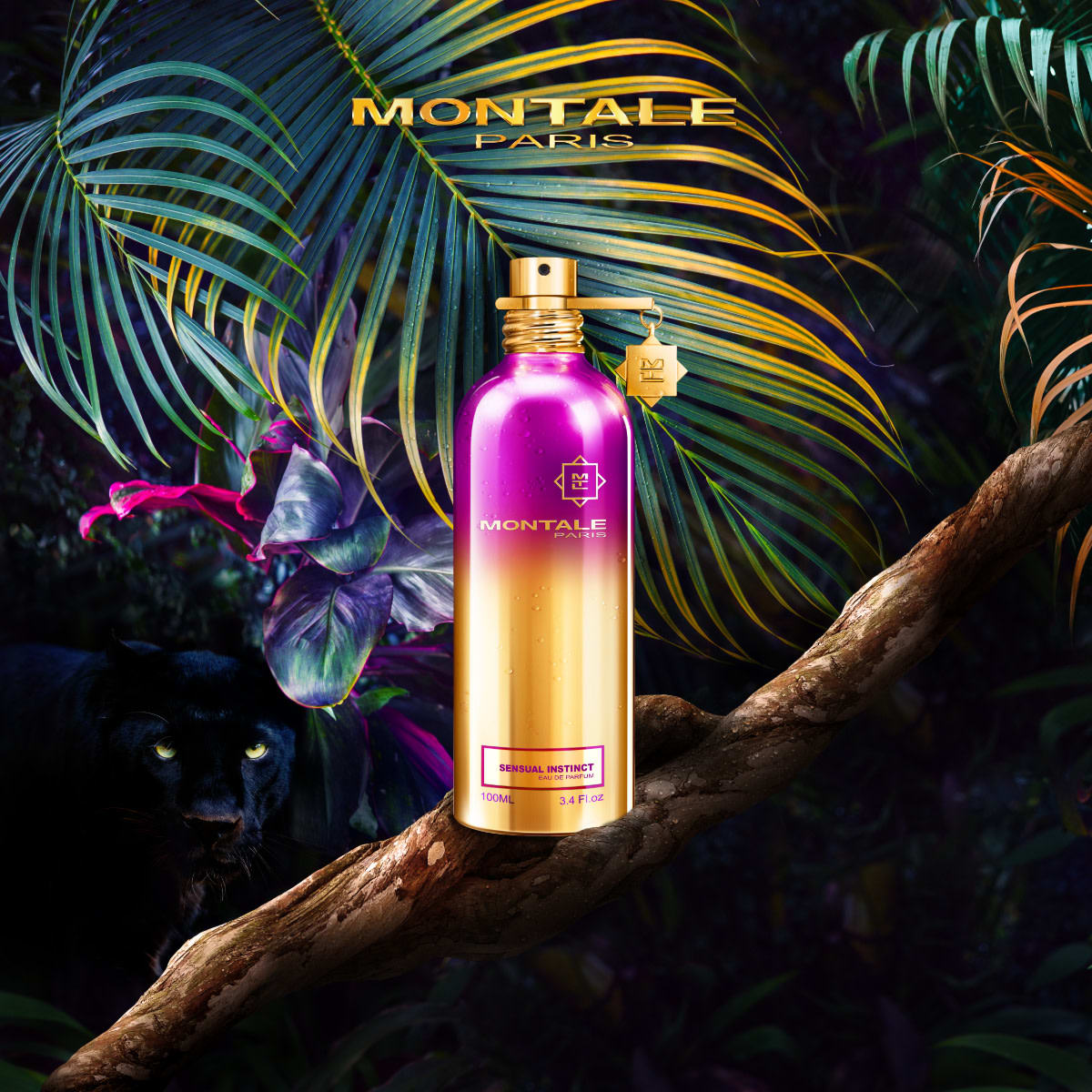
Montale
Sensual Instinct
Unisex Perfume


Hugo Boss
Boss The Collection Sensual Geranium Eau De Parfum 100ml
Men Private Collection
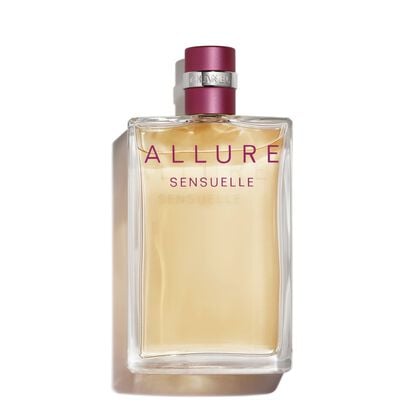
Chanel
Allure Sensuelle
Women Perfume
- Bestseller
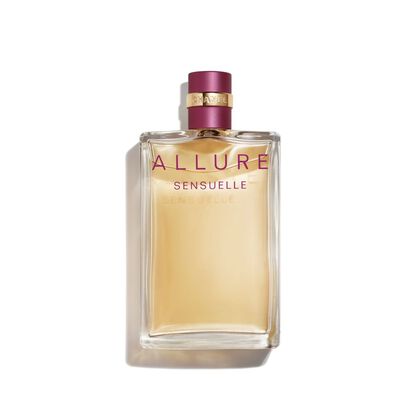
Chanel
Allure Sensuelle
Women Perfume
- New
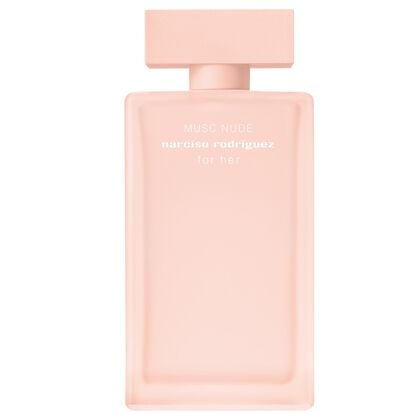
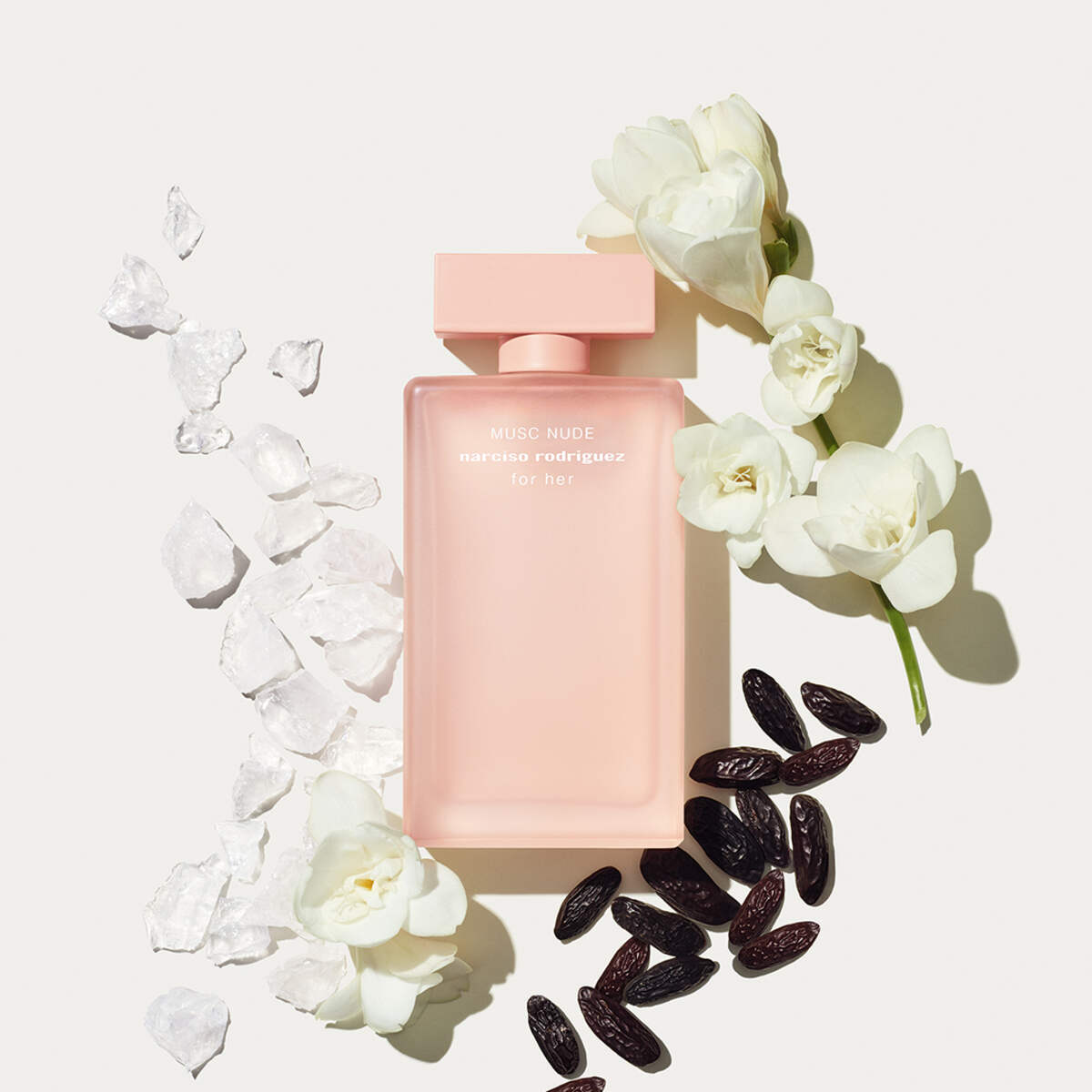
Narciso Rodriguez
For Her Musc Nude
Women Perfume
- Bestseller
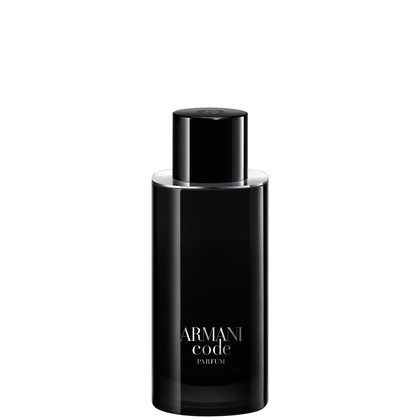
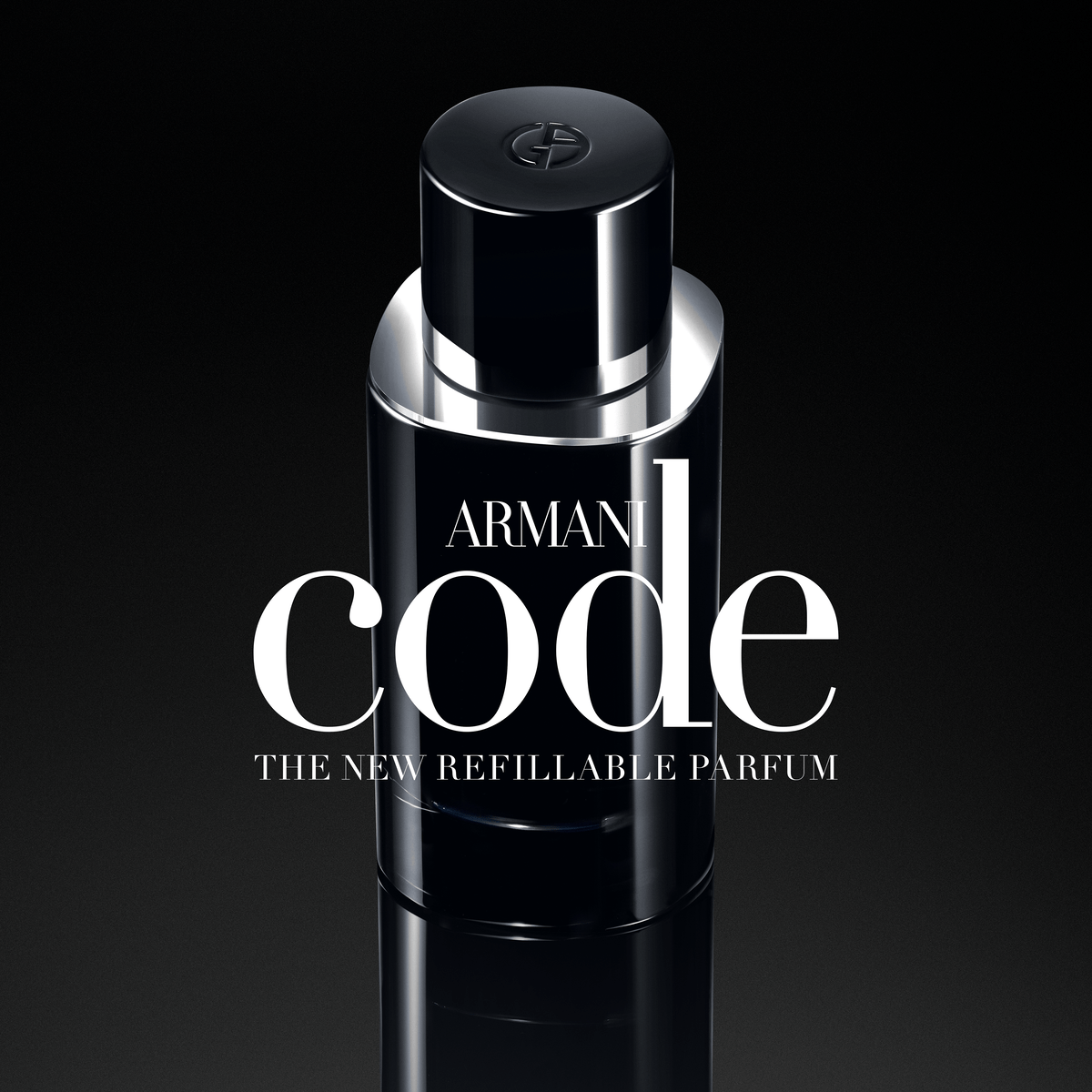
Giorgio Armani
Armani Code Parfum
Men Perfume
- New
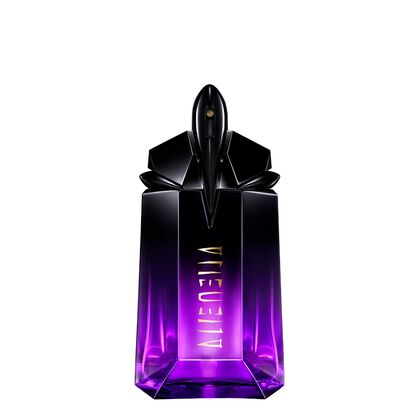
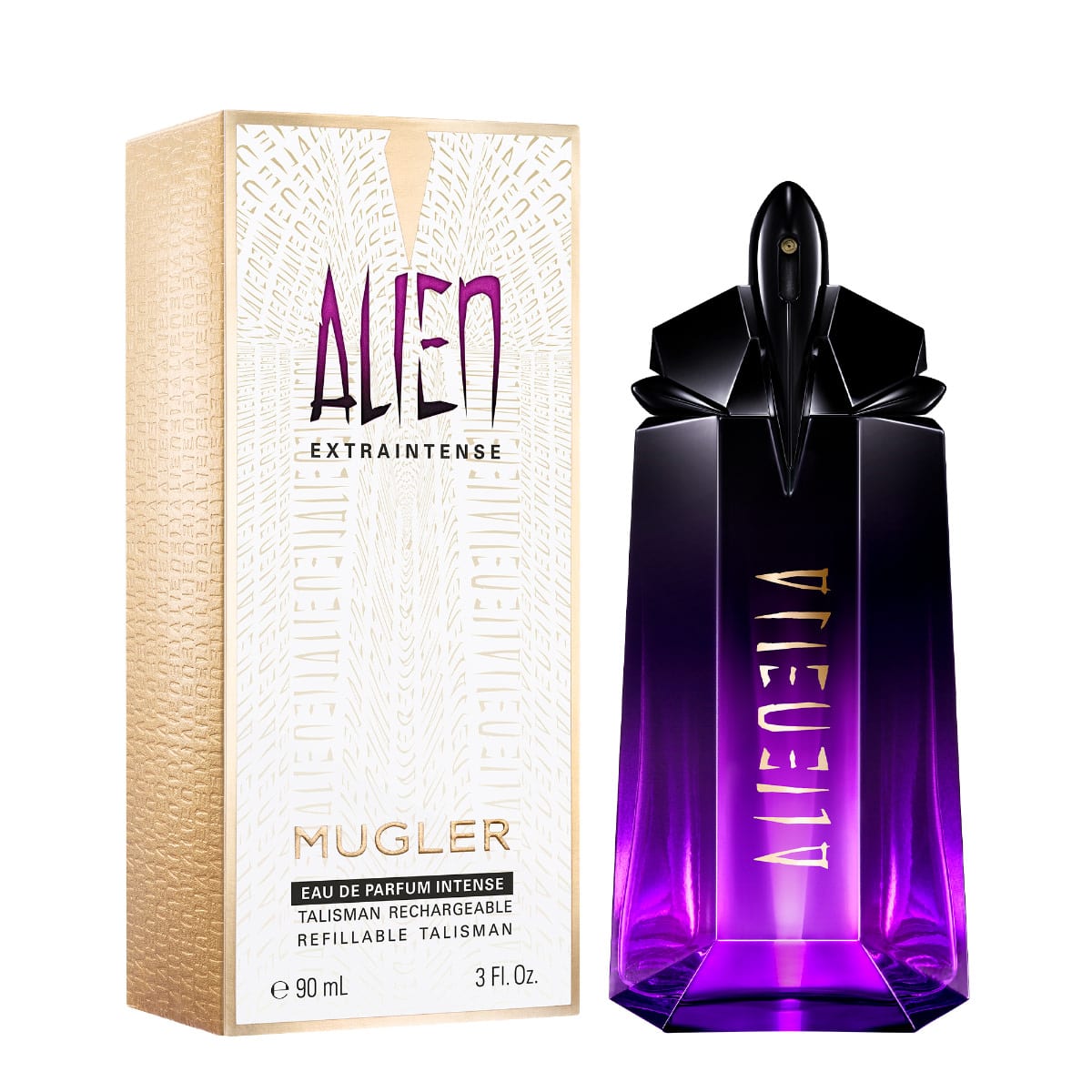
Mugler
Alien Extraintense
Women Perfume
- New
- Online Exclusive
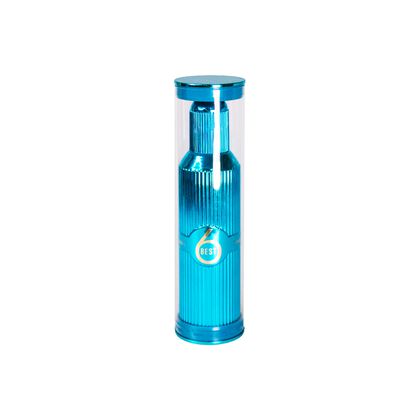

Best 6
Summer Vibes Oriental Floral Fragrance
Women Perfume
- New
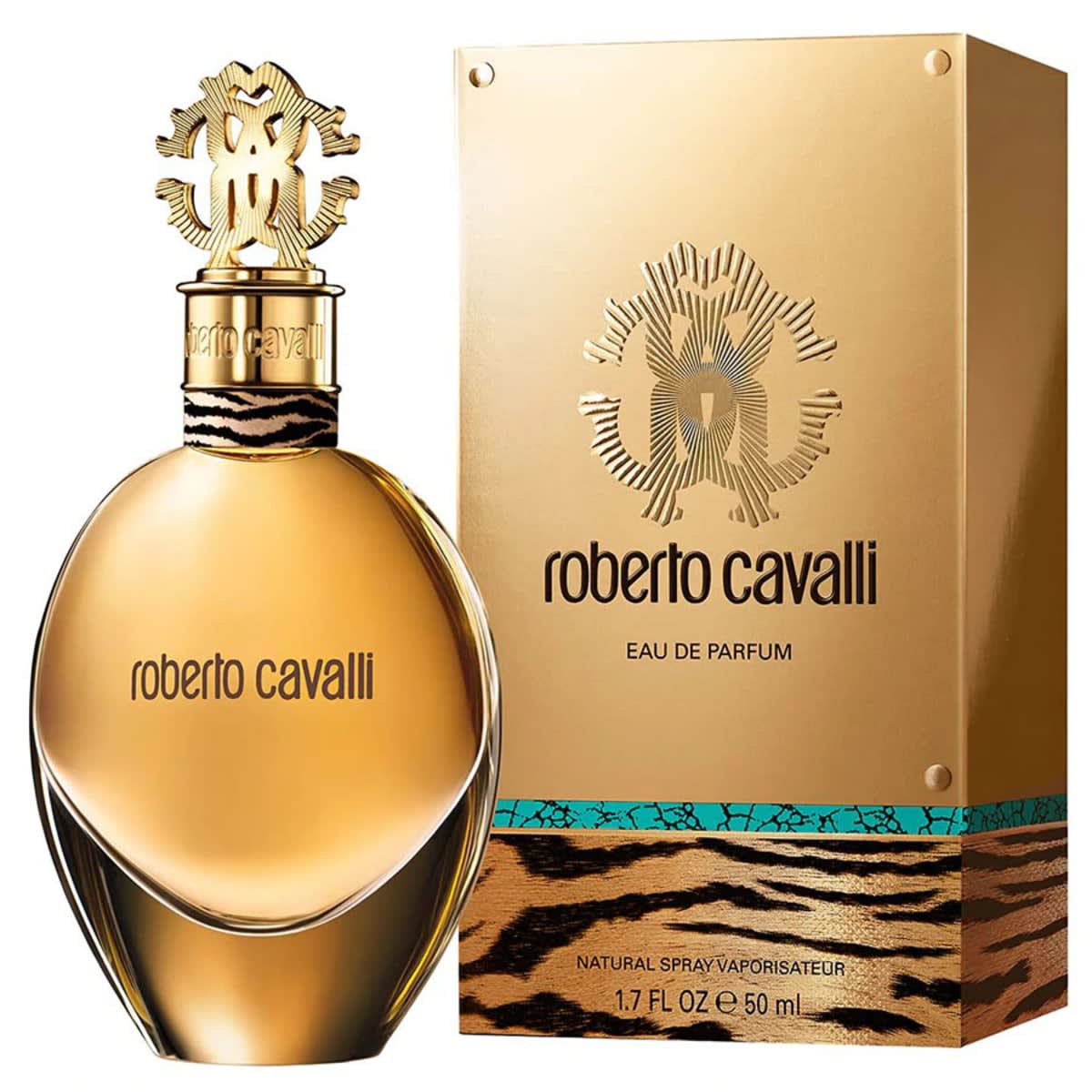
Roberto Cavalli
Signature
Women Perfume
- New
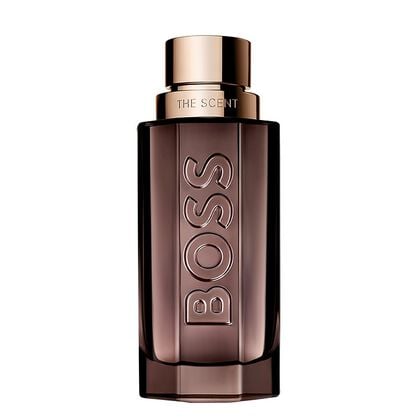
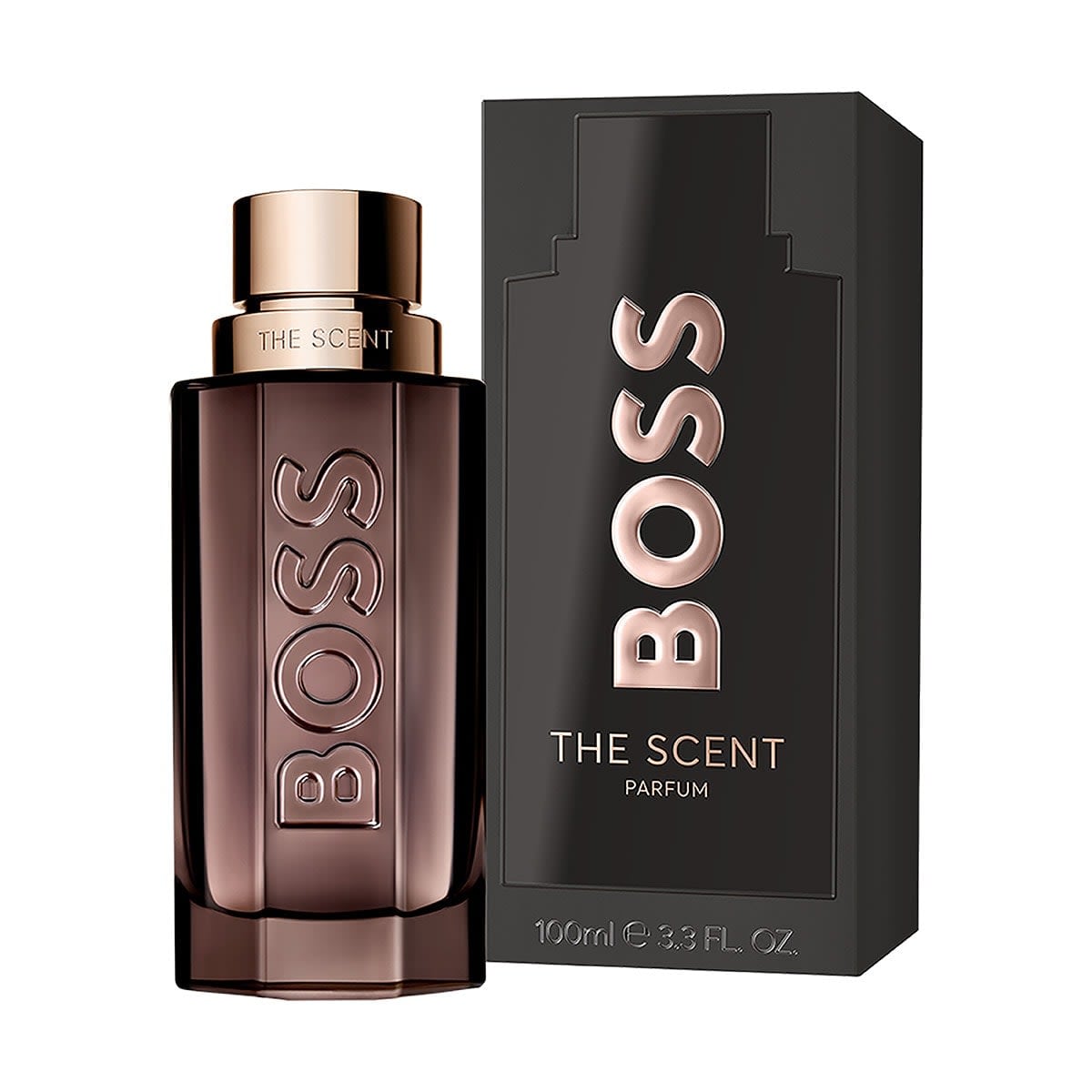
Hugo Boss
The Scent
Men Perfume

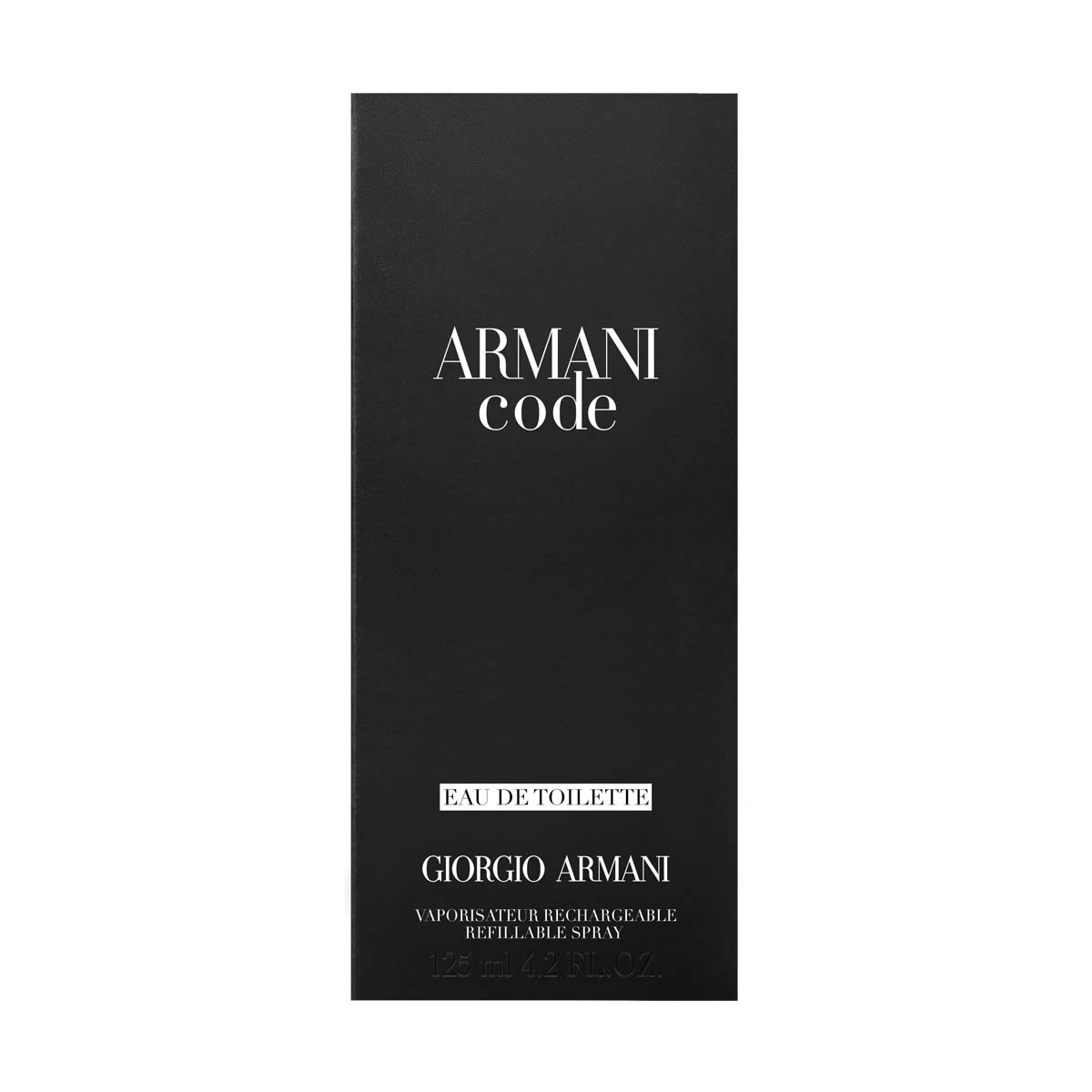
Armani
Armani Code
Men Perfume
- New
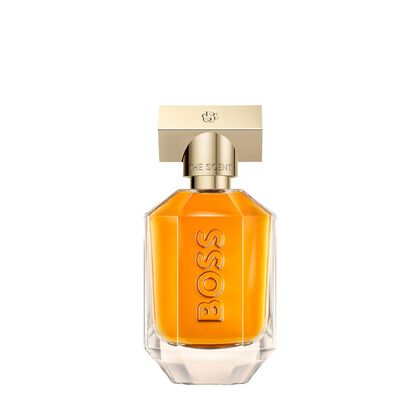
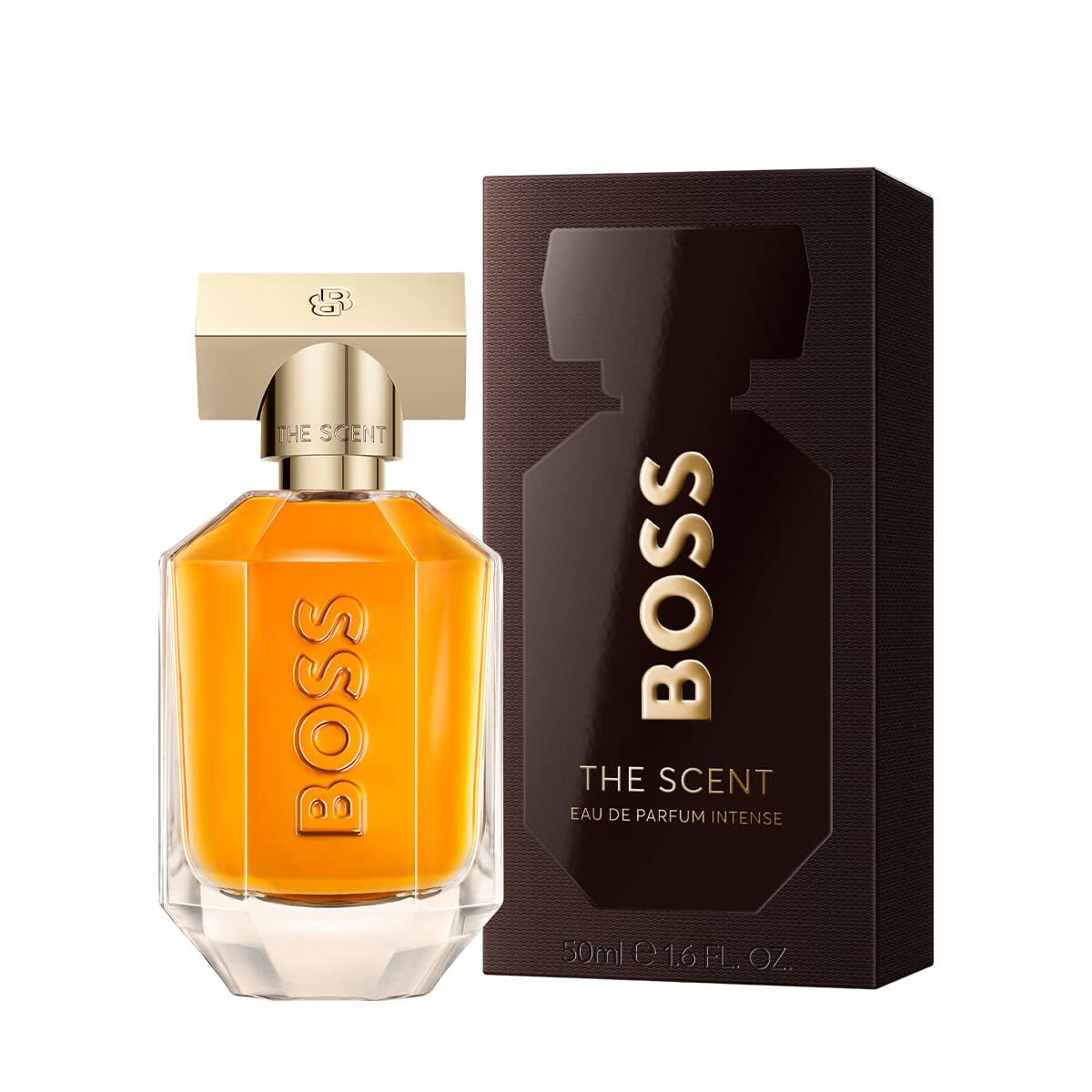
Hugo Boss
Boss The Scent Intense
Women Perfume
- New
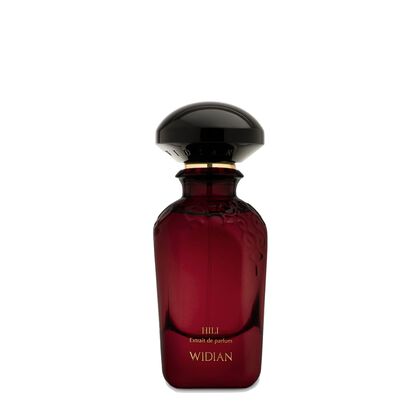
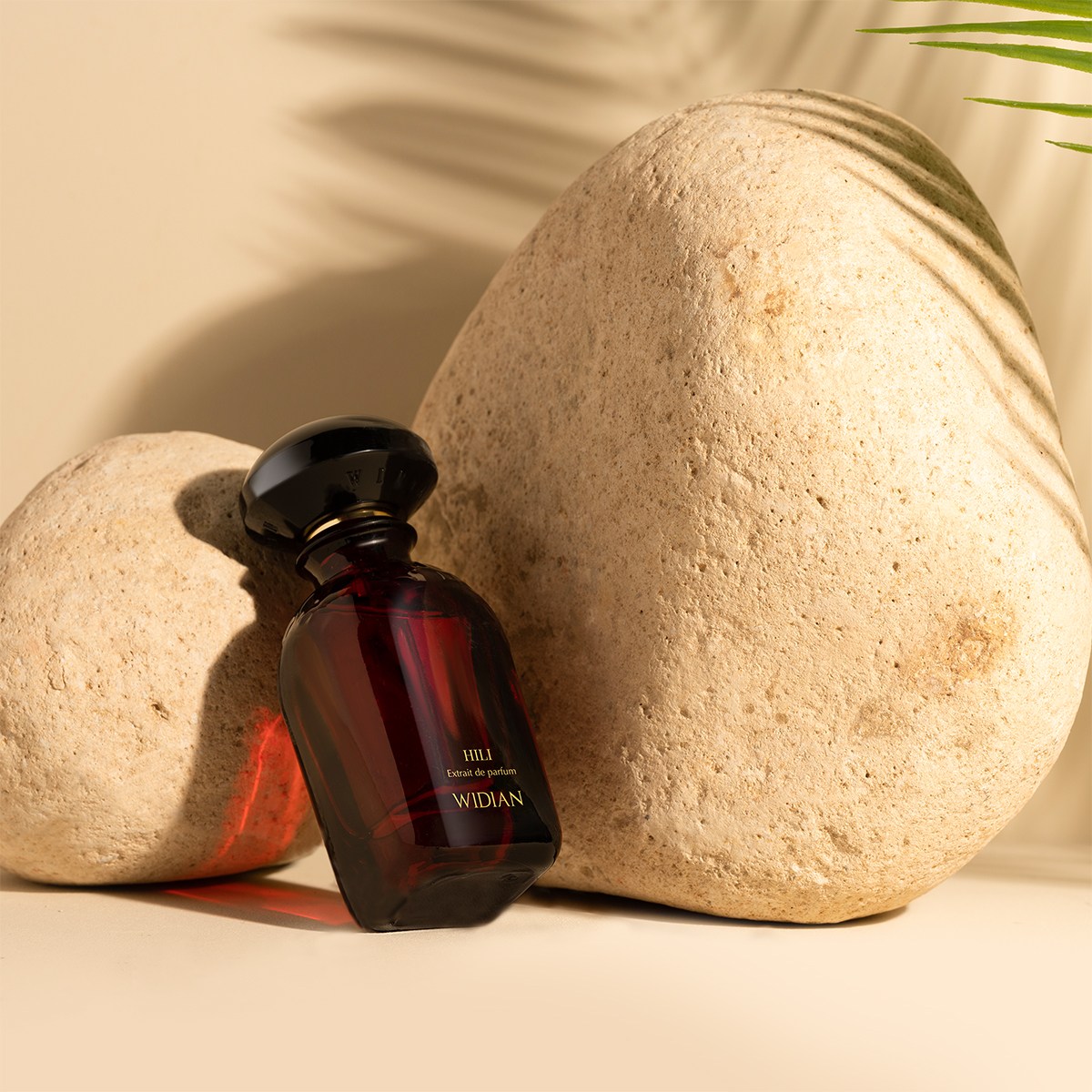
Widian
Hili
Unisex Niche Perfume
Sensual perfume
Oud Fragrances: The Epitome of Sensuality
Oud fragrances represent the pinnacle of sensual perfume artistry, particularly within Middle Eastern culture where they hold deep significance. The richness of oud oil, derived from agarwood, provides a warm, woody base that is both intoxicating and sophisticated. When it comes to skin type adaptation, these fragrances cater beautifully to those with normal to dry skin; however, the trade-off here is that individuals with oily skin may find them too overpowering or may experience a shorter wear due to natural oils affecting longevity. Signature creations such as Tom Ford’s Oud Wood introduce other elements like spices and vanilla which soften the intensity of pure oud for broader appeal while maintaining their luxurious essence.
Summer vs. Winter: Climate Considerations in Sensual Scents
The climate significantly influences how a fragrance is perceived and performed on the skin. In sweltering UAE summers, scents should offer freshness without sacrificing depth; hence lighter renditions like Acqua di Parma's Colonia Oud resonate well without overwhelming the senses. This fragrance beautifully marries citrus notes with a warm oud base yet cannot compete with deeper blends when temperatures cool down—where richer compositions thrive in winter months. Conversely, during cooler seasons, more intense variations such as Creed's Royal Oud become strikingly appealing; they envelop one in warmth and resilience against cold air but might be overwhelming during hot spells due to their heavy sillage.
The Impact of Olfactory Profiles on Sensual Appeal
An understanding of olfactory profiles is paramount for discerning perfume lovers seeking intimacy through scent. Floral-woody profiles frequently capture a sense of romanticism; fragrances like Maison Francis Kurkdjian’s Baccarat Rouge 540 showcase this blend exquisitely by intertwining sweetness with resinous undertones that linger irresistibly close to the skin. If you prioritize longevity over sillage in your sensual perfume journey, this selection will undoubtedly fulfill your desires but may lack projection at greater distances—a notable trade-off for those who prefer their scent storytelling whispered rather than proclaimed loudly into existence.
The exploration of sensual perfumes unveils an intricate dance between personal choices and environmental factors that shape our experiences. Selecting a fragrance requires an understanding not only of its components but also how it interacts uniquely with one's skin type and lifestyle elements—the true mark of refined taste in luxury beauty.
Frequently Asked Questions
What sizes are available in the Sensual perfume range?
Available sizes include 75ml and 100ml bottles across several lines, such as Sensual Instinct 100ml and Secret Of Love Sensual 75ml, plus Boss The Collection Sensual Geranium Eau De Parfum 100ml.
Which products are Eau De Parfum in this range?
The Boss The Collection Sensual Geranium Eau De Parfum 100ml is an Eau De Parfum option in this range.
Are there travel-friendly bottle sizes in this category?
Yes. The range includes 75ml and 100ml sizes, offering smaller options for testing or travel.
What are the main fragrance lines within this category?
The available lines include Sensual Instinct (100ml), Secret Of Love Sensual (75ml), and Boss The Collection Sensual Geranium Eau De Parfum (100ml).
How long can I expect the scent to last, especially for the Eau De Parfum option?
Eau De Parfum options generally offer longer-lasting fragrance; actual longevity varies with skin chemistry and usage.