
 WhatsApp
 Phone
Phone
 Email
Email


Serum for acne
Acne serums are often formulated with ingredients that penetrate deeply into the skin to target breakouts and promote clarity. The science behind these formulations hinges on active compounds such as salicylic acid, niacinamide, and retinoids, which collectively offer a multi-pronged approach to acne treatment.

- Online Exclusive
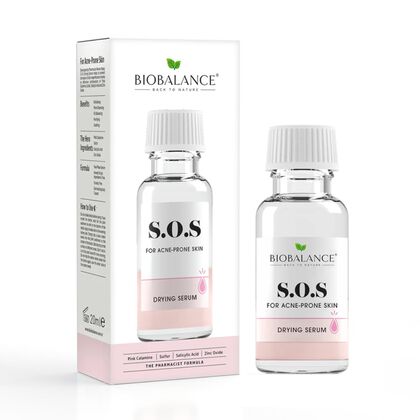
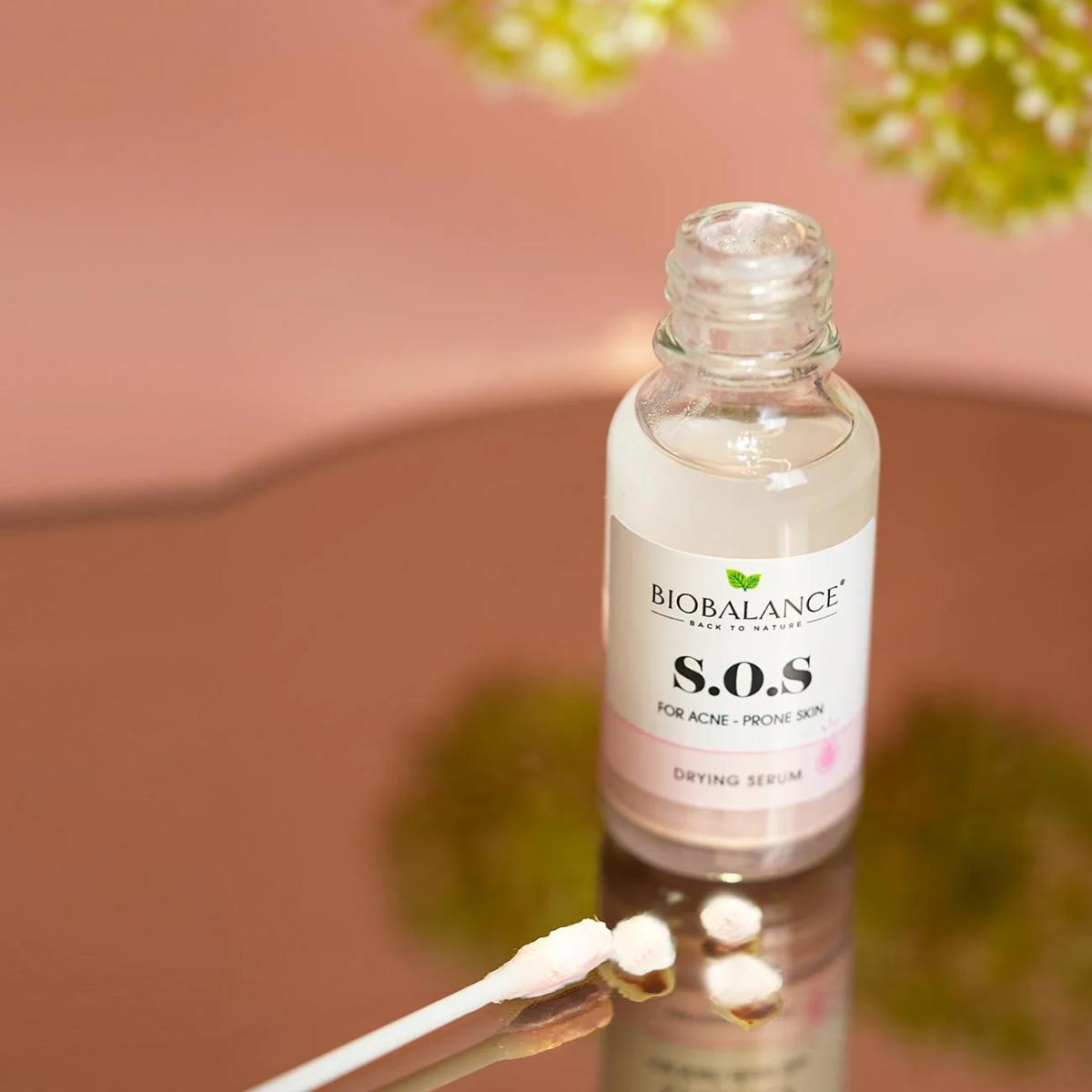
Bio Balance
S.o.s Serum Acne-prone Skin
Face Serum
- New
- Online Exclusive
- Sale
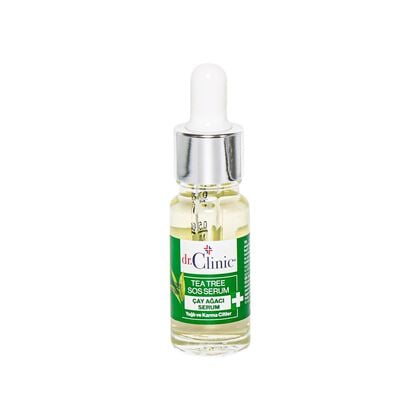
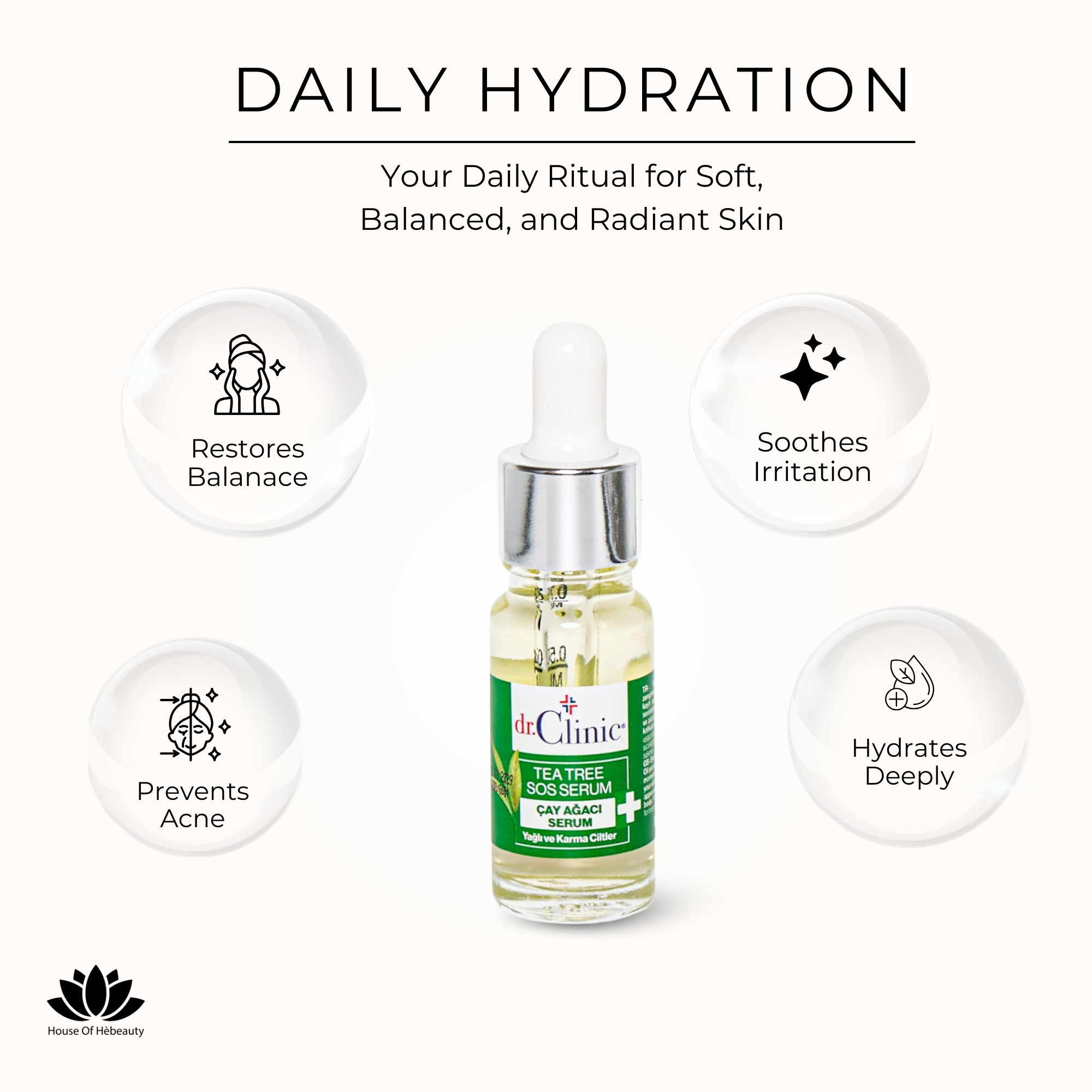
Dr. Clinic
Tea Tree Acne Serum
Face Serum
- Bestseller

Clinique
Anti Blemish Adult Acne Serum 30 Ml
Face Serum
- Online Exclusive
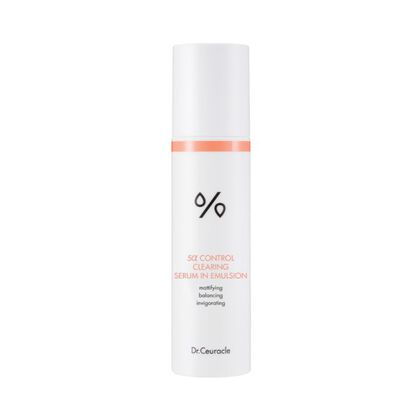

Dr. Ceuracle
5a Control Clearing Serum Emulsion, Shine Control For Oily And Acne-prone Skin
Face Moisturizers
- Online Exclusive

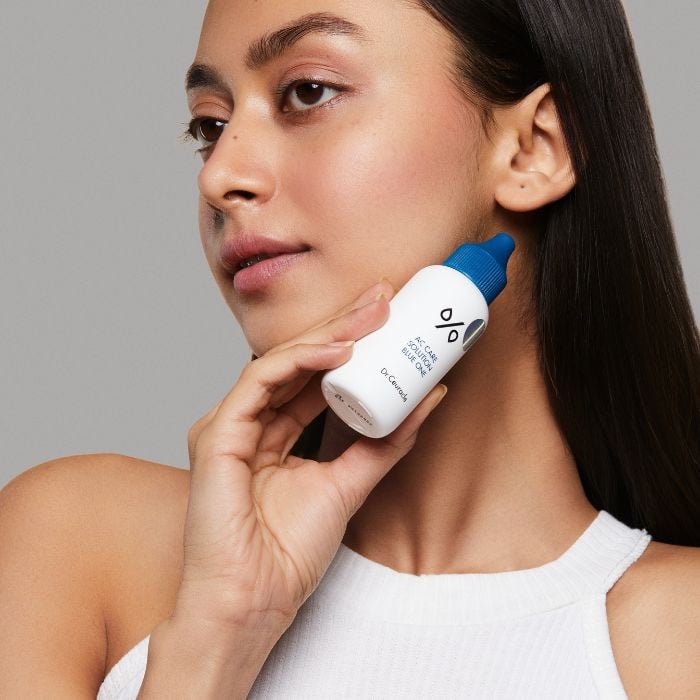
Dr. Ceuracle
Ac Cure Solution Blue One, Salicylic Acid Spot Treatment For Acne And Blemishes
Face Serum
- Online Exclusive
Stop Acne Spot Control Gel
Face Serum
- Online Exclusive

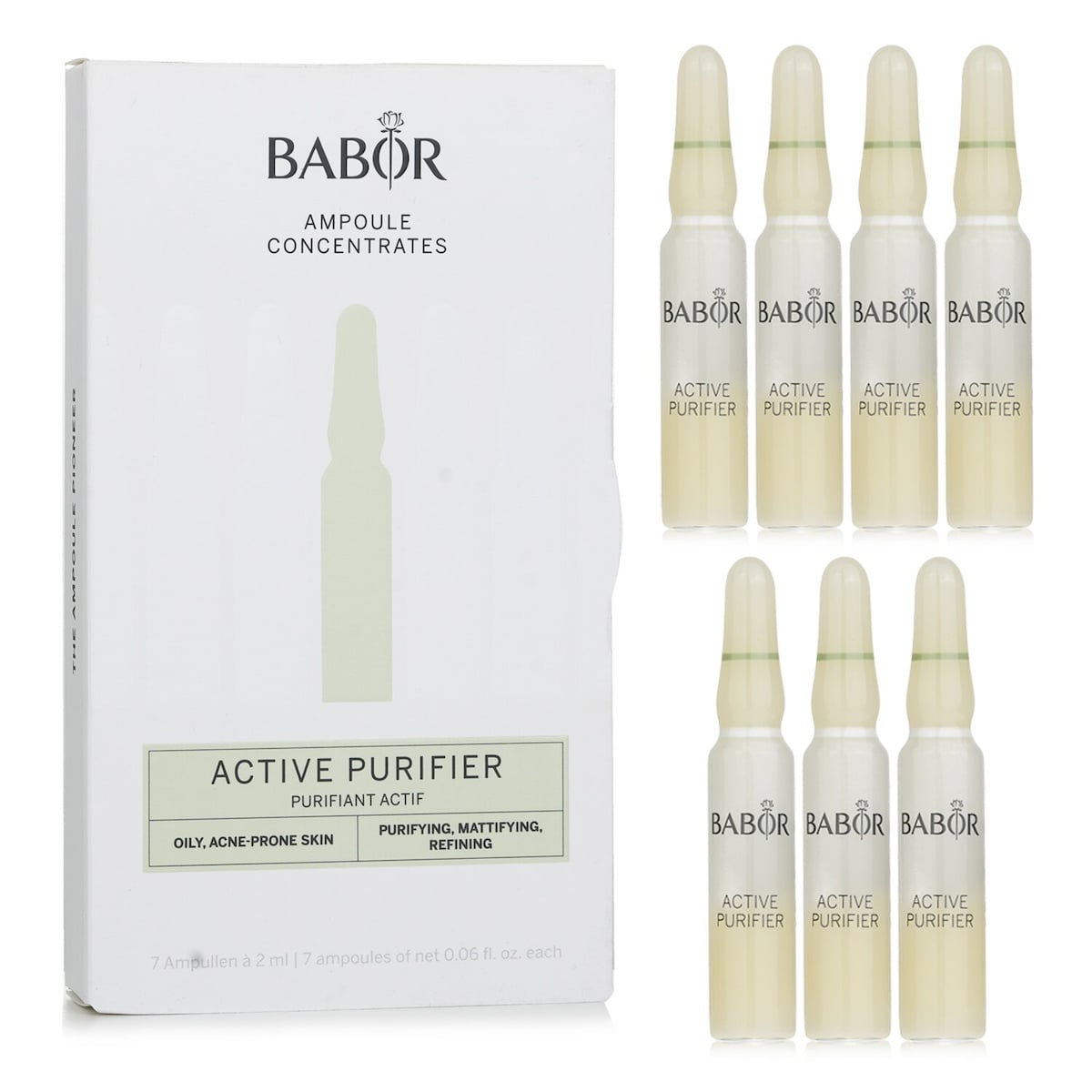
Babor
Ampoule Concentrates - Active Purifier (for Oily, Acne-prone Skin)
Face Serum
- New

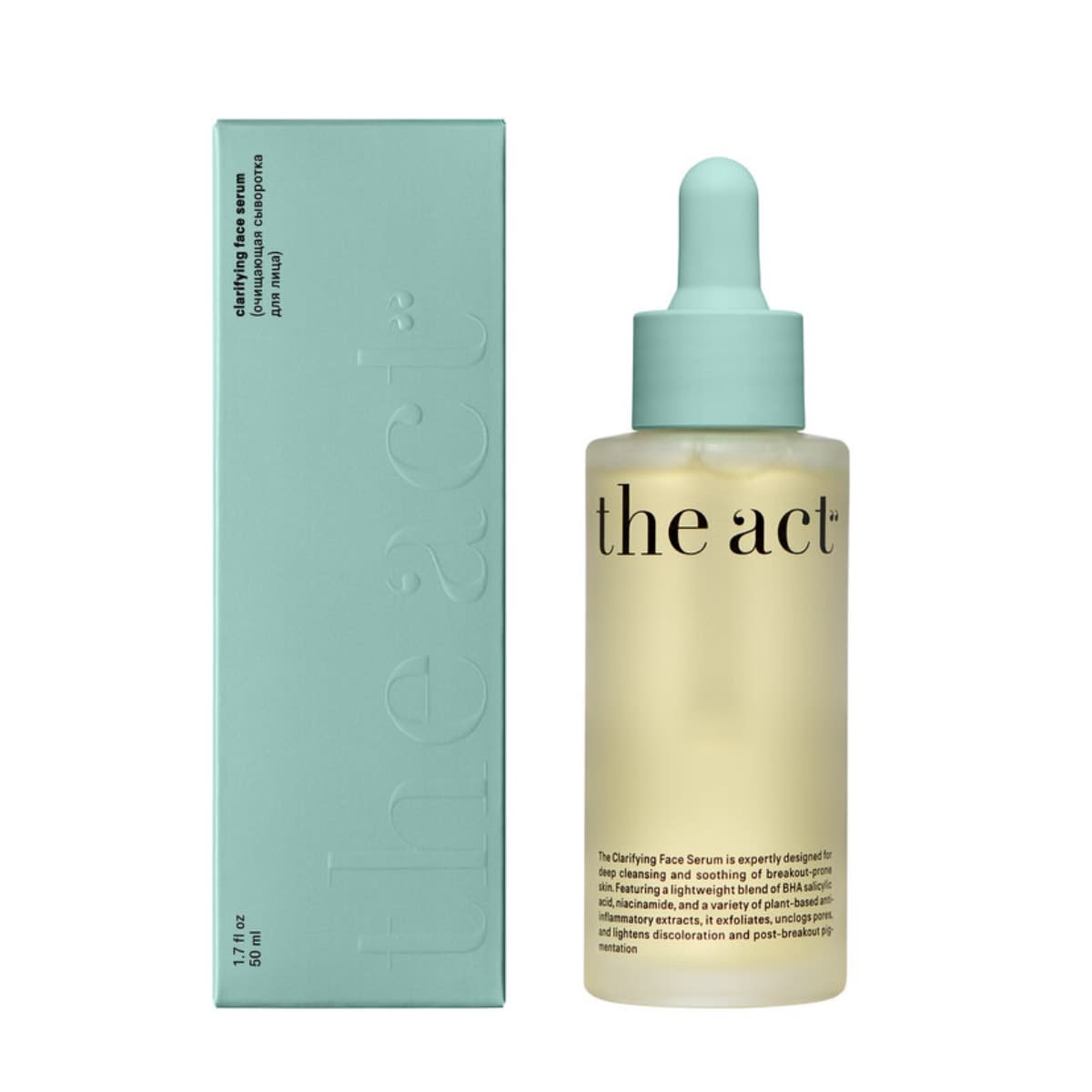
The Act
Clarifying
Face Serum
- New
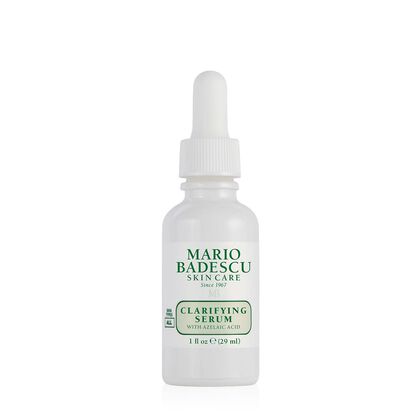
Mario Badescu
Clarifying Serum With Azelic Acid
Face Serum
- Online Exclusive

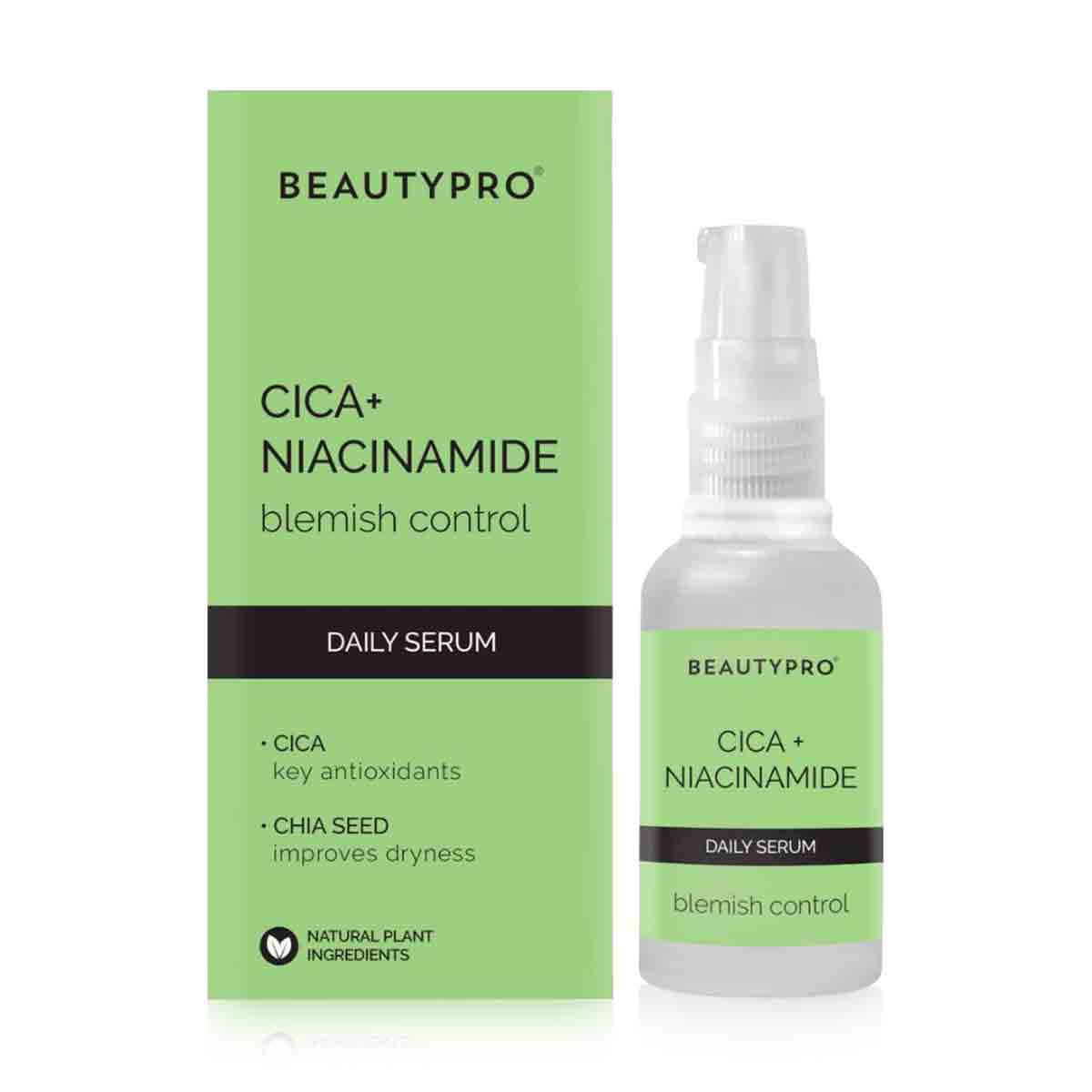
Beauty Pro
Cica + Niacinamide Blemish Control Daily Serum
Face Serum
- Online Exclusive
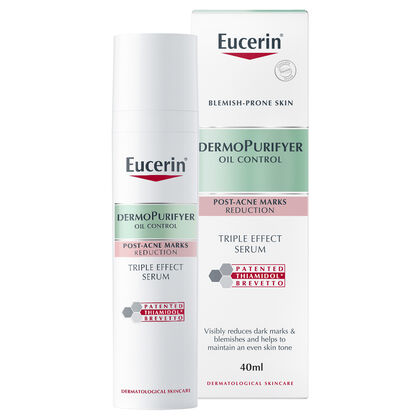
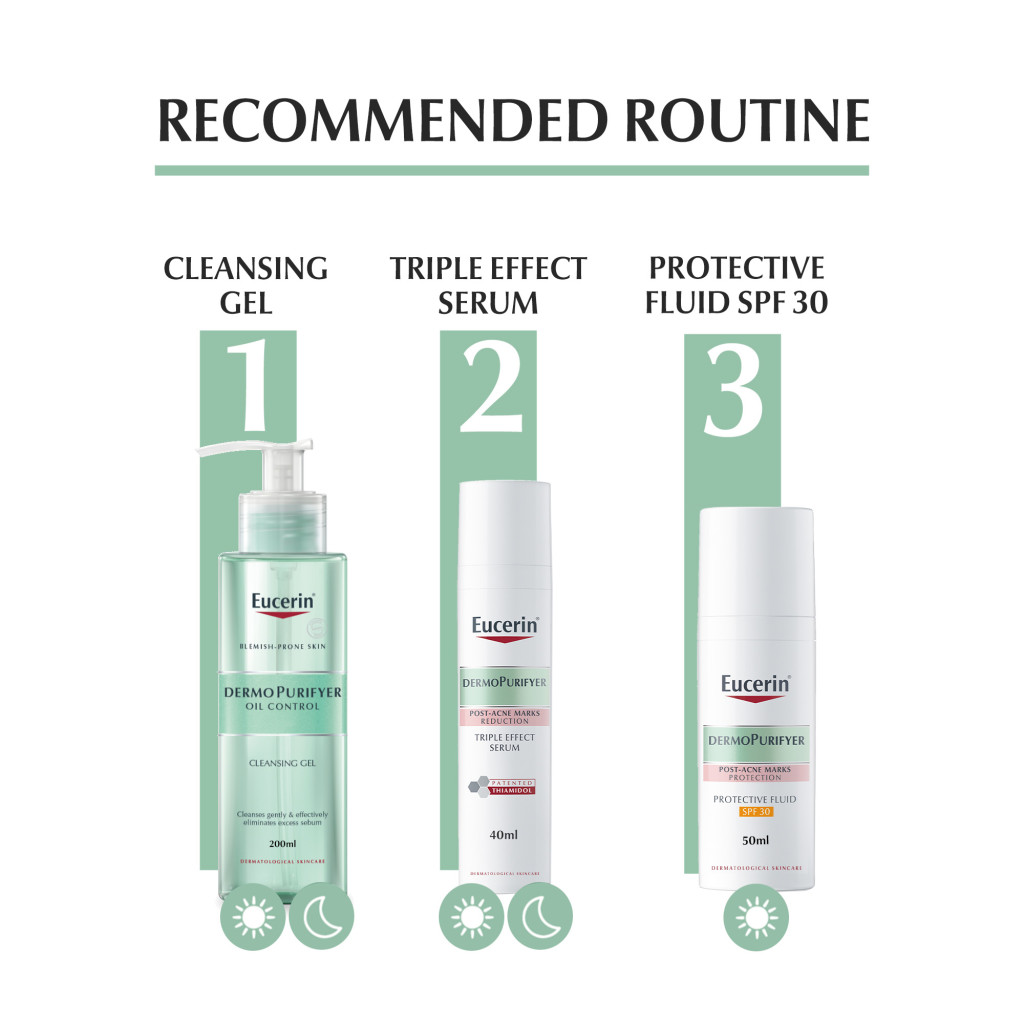
Eucerin
Dermo Purifier Triple Effect Serum
Face Serum
- New
- Online Exclusive
- Sale

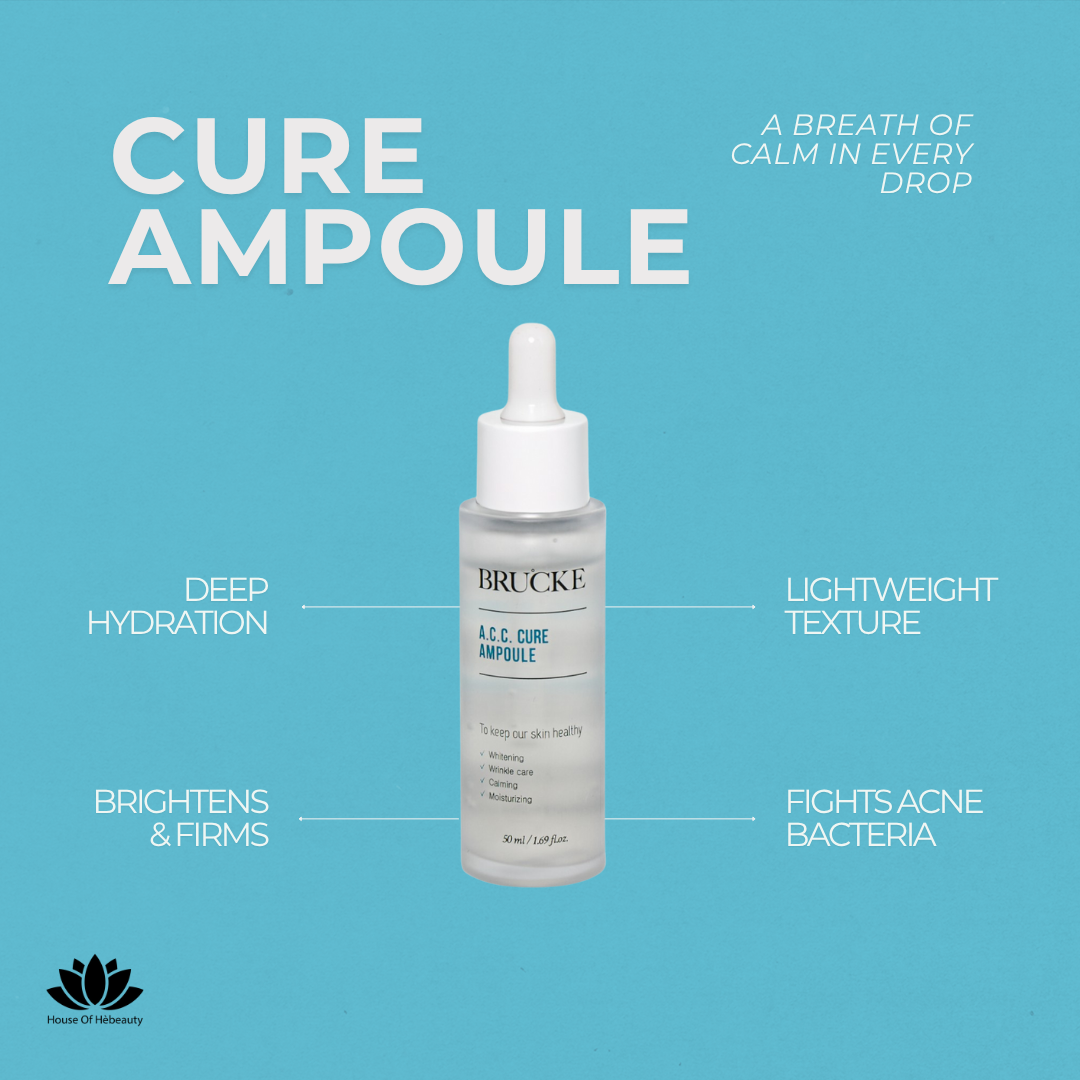
Brucke
A.c.c. Cure Ampoule Serum
Face Serum
- Online Exclusive

Pure Origin
Salicylic Acid 2% + Ha Serum
Face Serum
- New

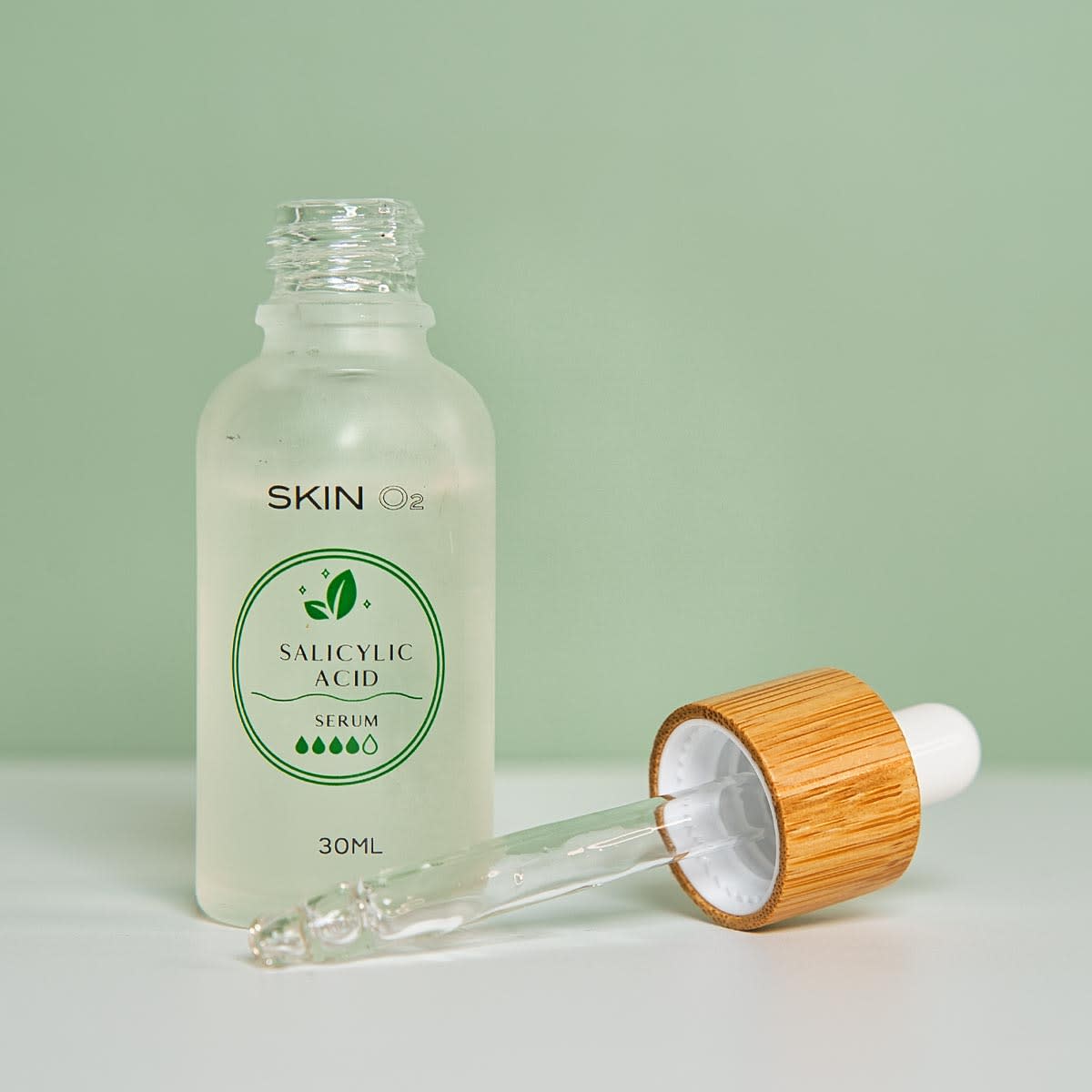
Skin O2
Salicylic Acid
Face Serum
- Online Exclusive
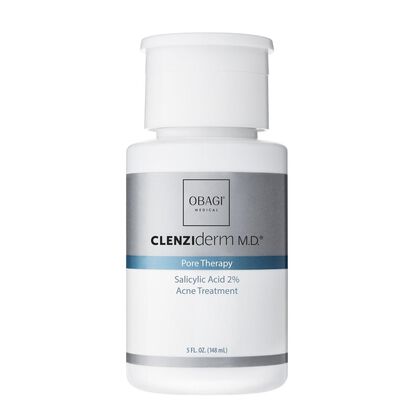
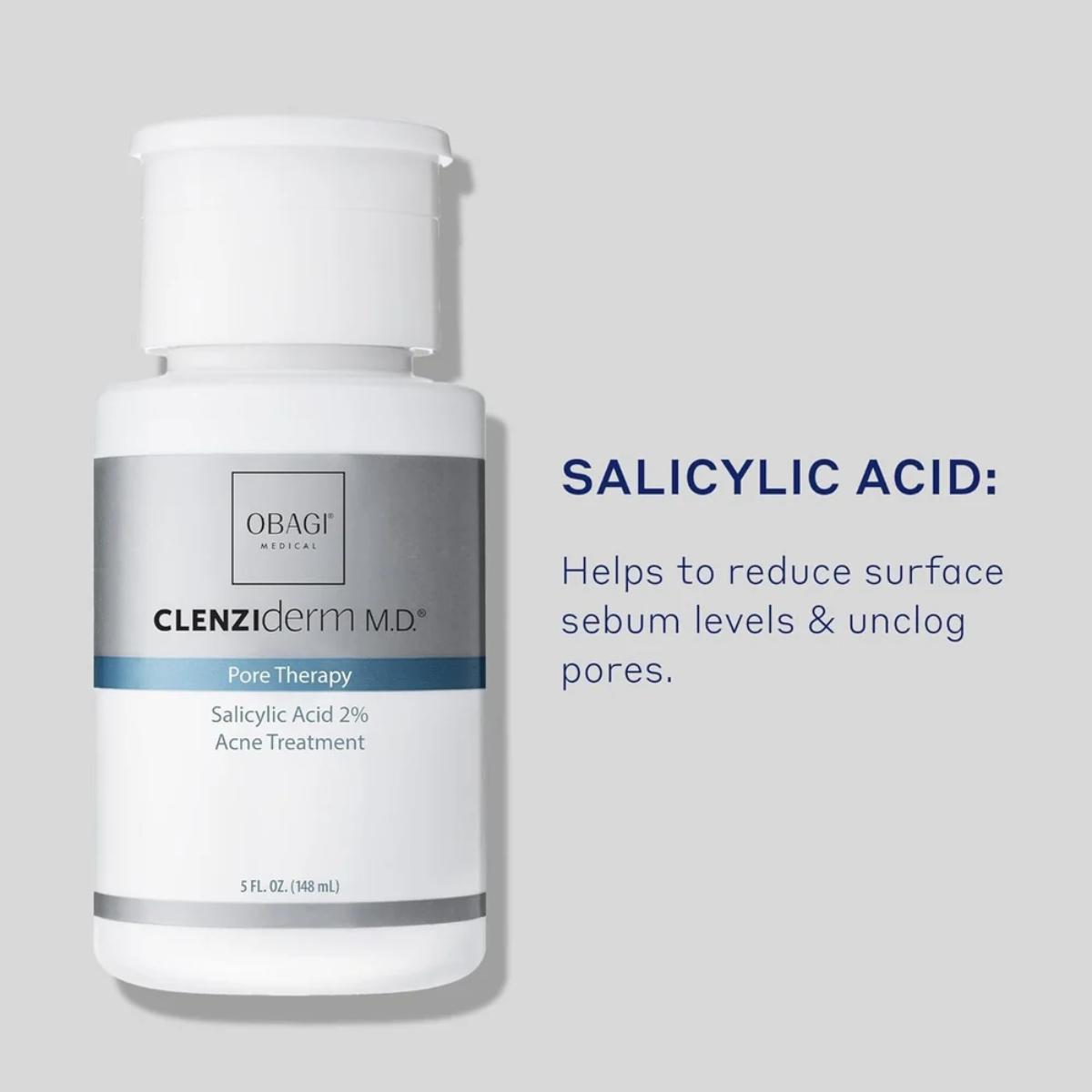
Obagi
Clenziderm M.d Pore Therapy
Face Moisturizers
- Online Exclusive
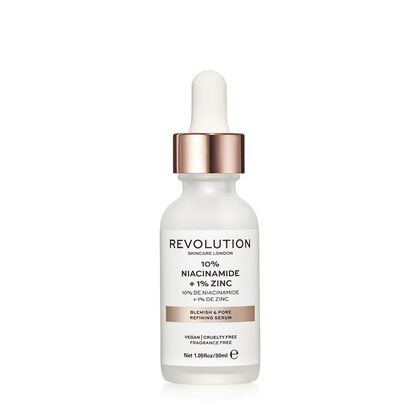
Revolution
Blemish And Pore Refining Serum Niacinamide And Zinc
Face Serum
- New

Augustinus Bader
The Retinol Serum
Face Serum
- Online Exclusive
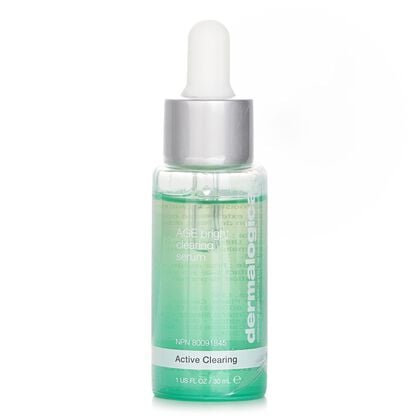
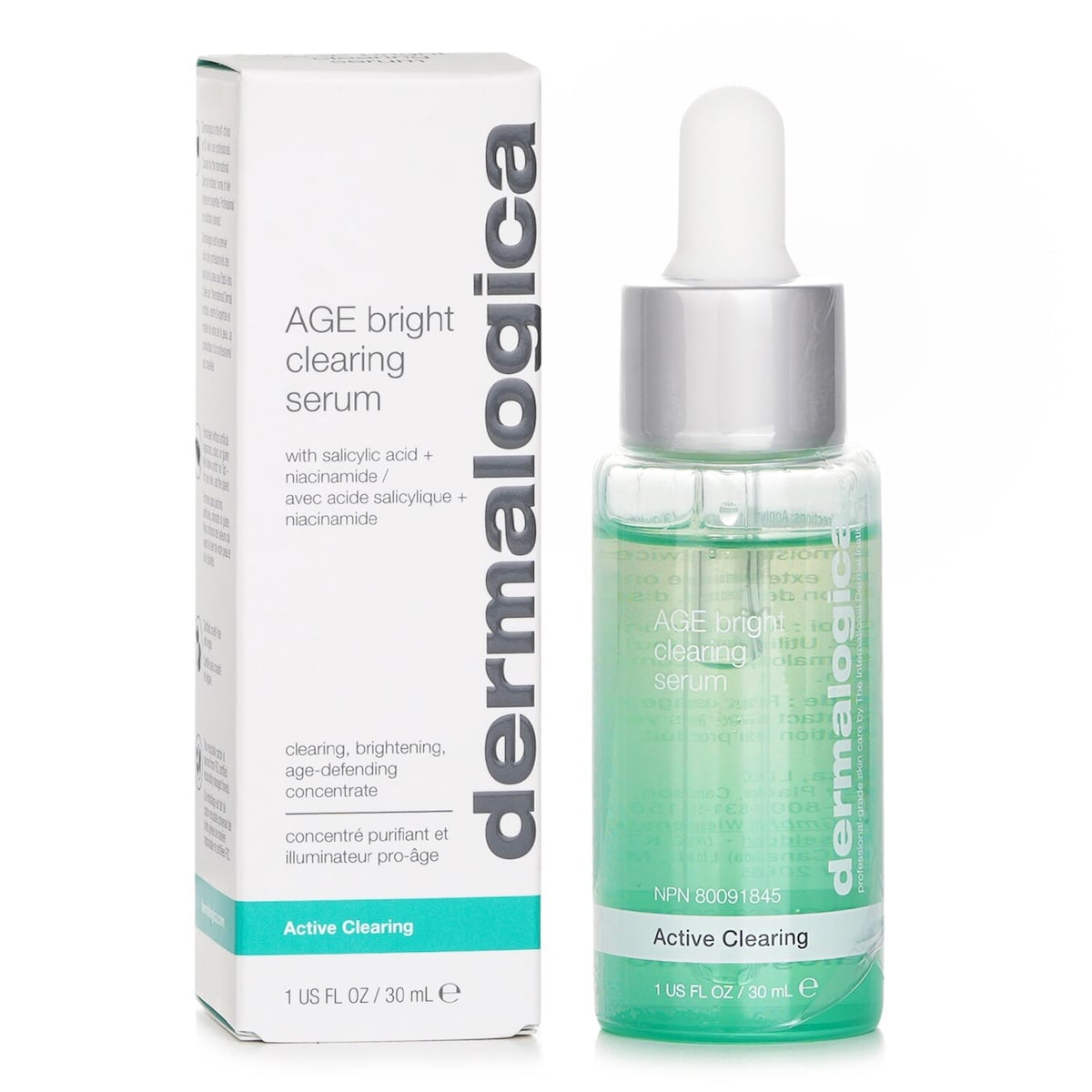
Dermalogica
Active Clearing Age Bright Clearing Serum /
Face Serum


Cosrx
Cosrx The Niacinamide 15 Serum 20ml
Face Serum
Serum for acne
Formulations for Oily Skin
When it comes to treating acne for those with oily skin types, a serum rich in salicylic acid is typically advantageous. Salicylic acid works by exfoliating the inside of pores, effectively dissolving sebum that can contribute to breakouts. However, this type of serum may lead to increased dryness if overused, so it's crucial to monitor your skin's reaction carefully. An alternative worth considering is a serum containing niacinamide. This ingredient not only helps regulate oil production but also possesses anti-inflammatory properties that can calm existing breakouts while improving overall skin texture. The trade-off here is that while niacinamide serums are generally well-tolerated, they may lack the intense pore-decongesting power of their salicylic-laden counterparts.
Climate Considerations: UAE Summer vs. Winter
The climate in the UAE significantly influences how an acne serum performs throughout the year. During the sweltering summer months, lightweight formulations often prevail; gel-based serums are particularly popular as they absorb quickly without leaving any heavy residue on the skin's surface. However, deeper winter months can lead individuals to seek out more hydrating options that provide moisture alongside acne-fighting properties—this necessitates searching for ingredients like hyaluronic acid or glycerin included in non-comedogenic bases. Serums designed specifically for summer might sacrifice hydration; understanding your seasonal needs becomes vital when navigating this category.
Catering to Specific Skin Concerns
If you find yourself battling hormonal acne or stubborn cystic outbreaks, opting for serums with retinoids may be prudent despite their potential irritant nature. Such formulations work by promoting cellular turnover and reducing inflammation over time. However, users must be prepared for an adjustment period as initial application could result in increased sensitivity or peeling—an unavoidable trade-off if rapid results are desired. On another note, some consumers prefer milder options better suited for sensitive skin; these often include botanical extracts designed not only to combat blemishes but also soothe sensitized areas effectively without excessive irritation risks.