
 WhatsApp
 Phone
Phone
 Email
Email


Sunscreen lotion
The efficacy of sunscreen lotion lies in its formulation, where a combination of chemical and physical blockers determine not only UV protection but also its feel on the skin. Understanding the science behind ingredients such as zinc oxide and octocrylene can significantly influence your choice in this often-overlooked category of luxury skincare.

- Online Exclusive
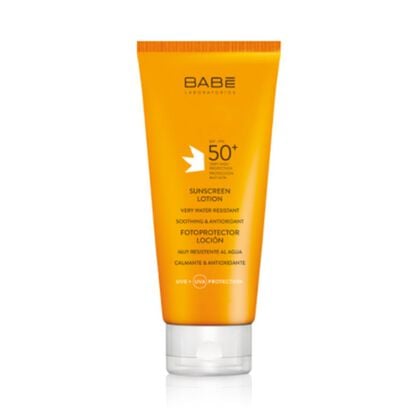
Sunscreen Spf50+ Lotion
Face Sunscreen
- New
- Online Exclusive
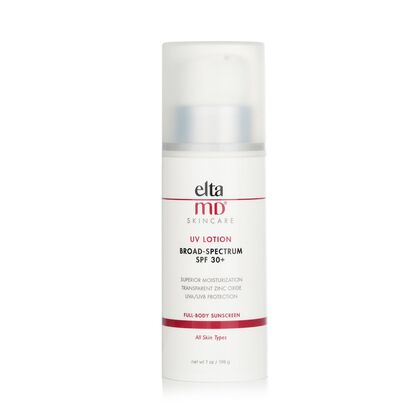
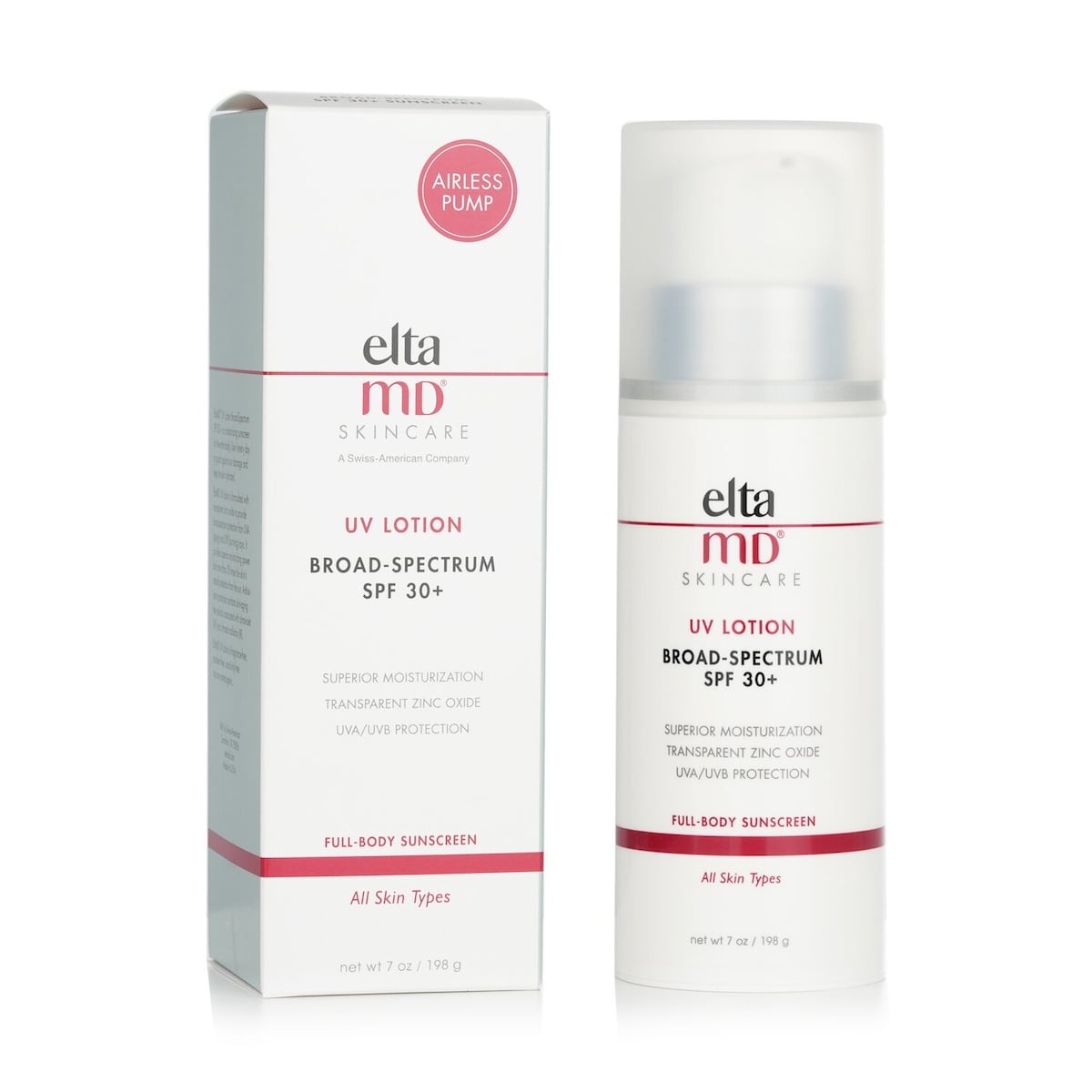
EltaMD
Uv Lotion Full-body Sunscreen Spf 30
Body Sunscreen
- Online Exclusive
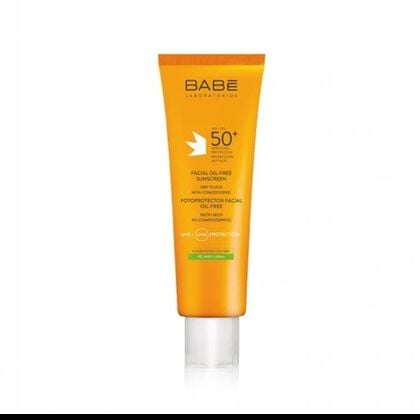
Sunscreen Spf 50+ Oil Free Lotion
Face Sunscreen
- Online Exclusive
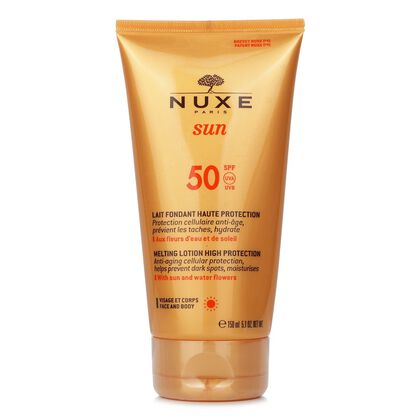
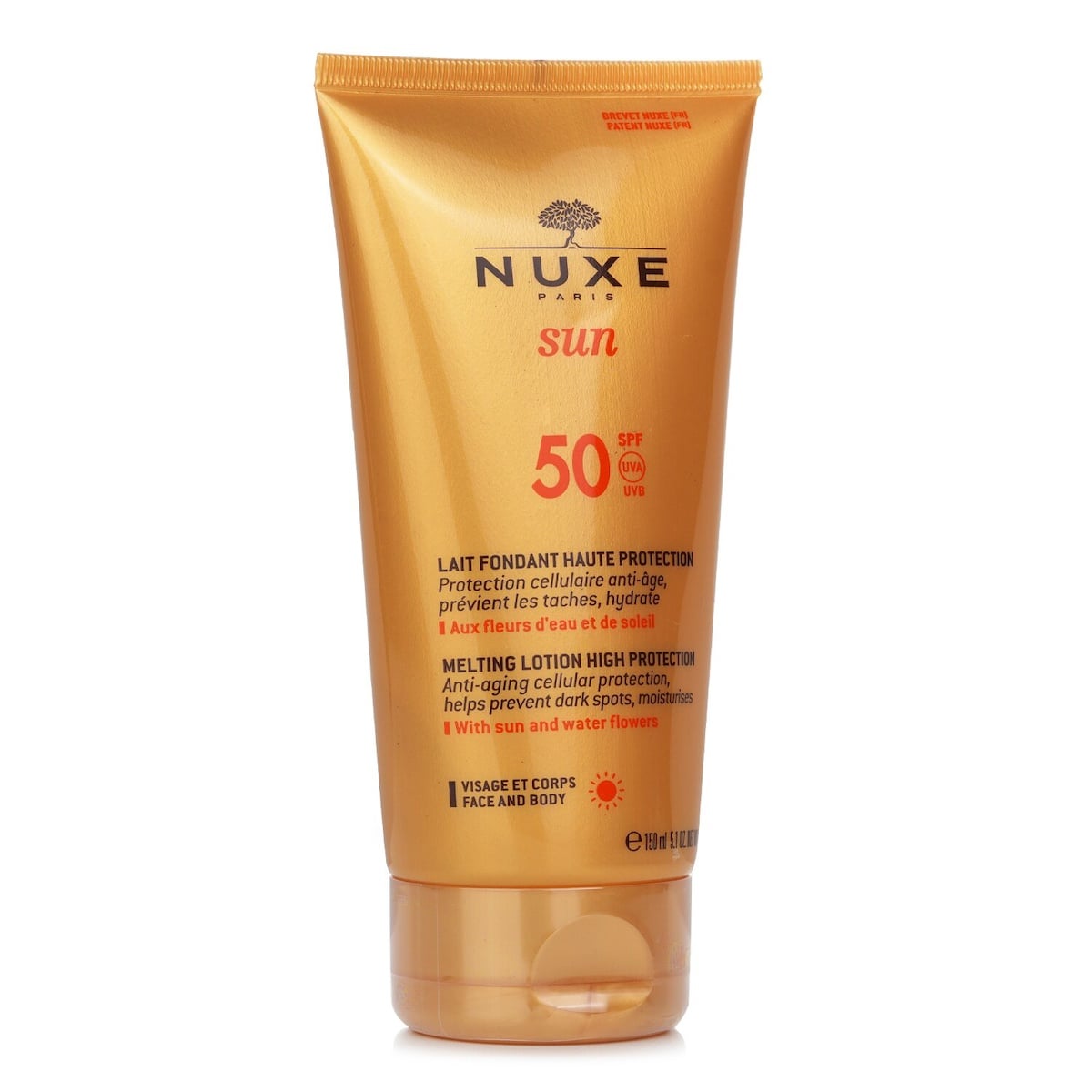
Nuxe
Sun Melting Lotion High Protection Spf50
Face Sunscreen
- Online Exclusive
Banana-Boat
Ultra Sun Protection Lotion Spf50
Face Sunscreen
- New
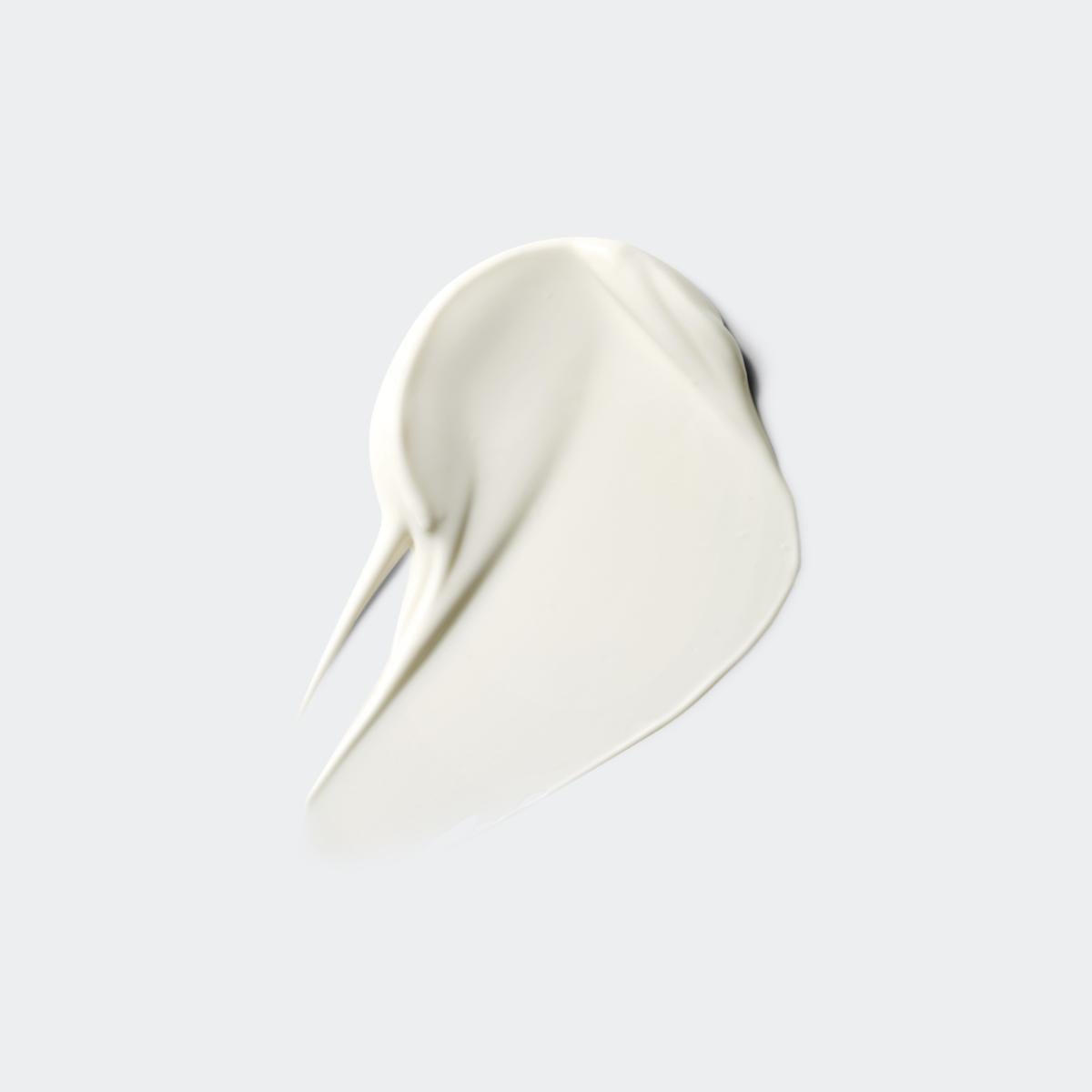
Clinique
Uv Solutions Mattifying Lotion Spf 50
Face Sunscreen
- Online Exclusive
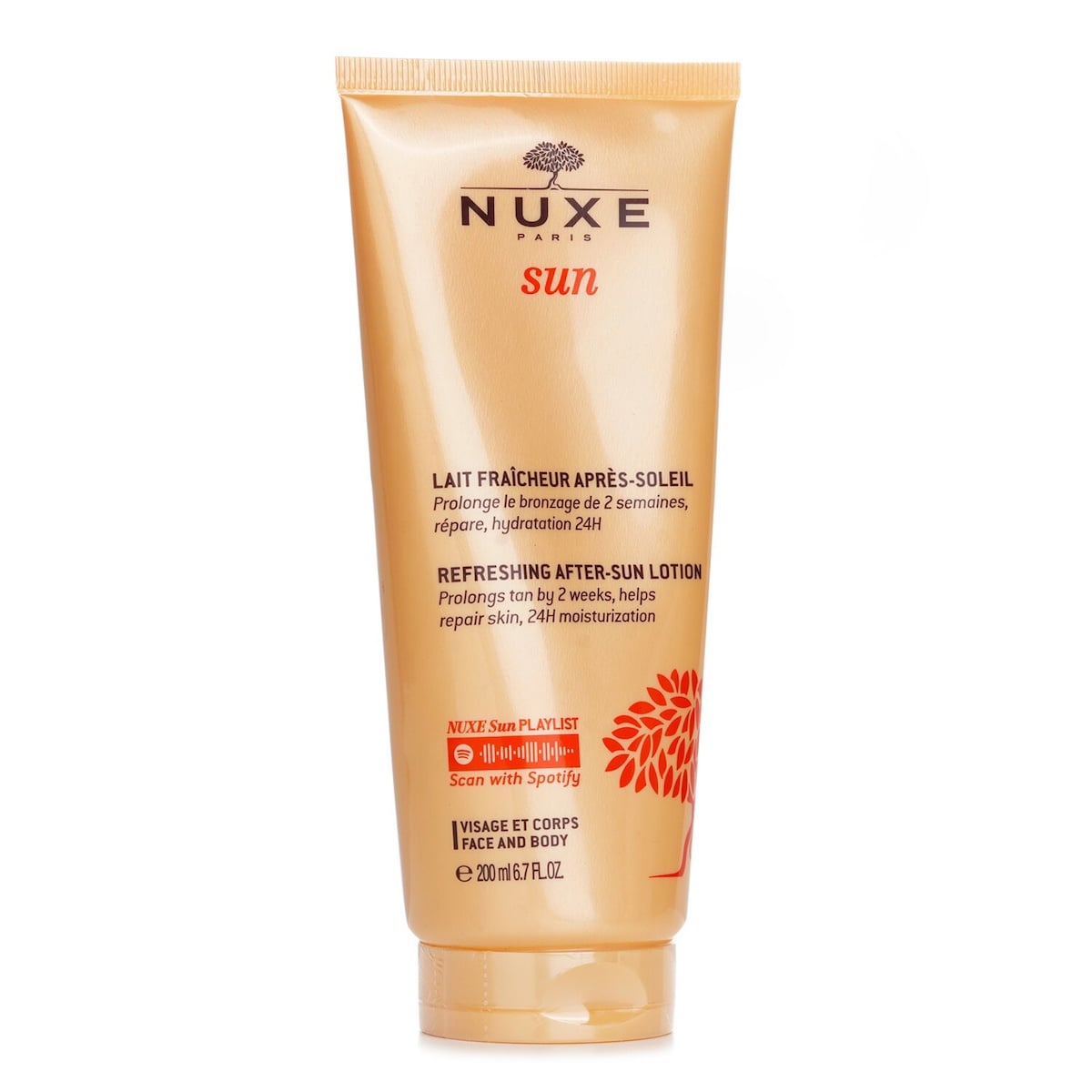
Sun Refreshing After-sun Lotion For Face & Body
Face Sunscreen
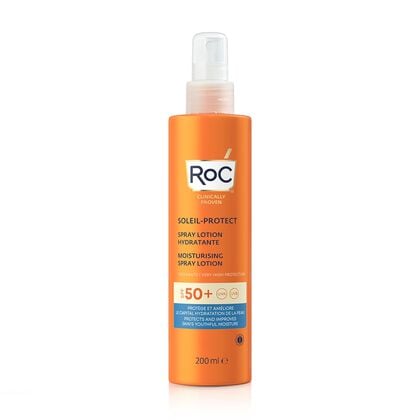
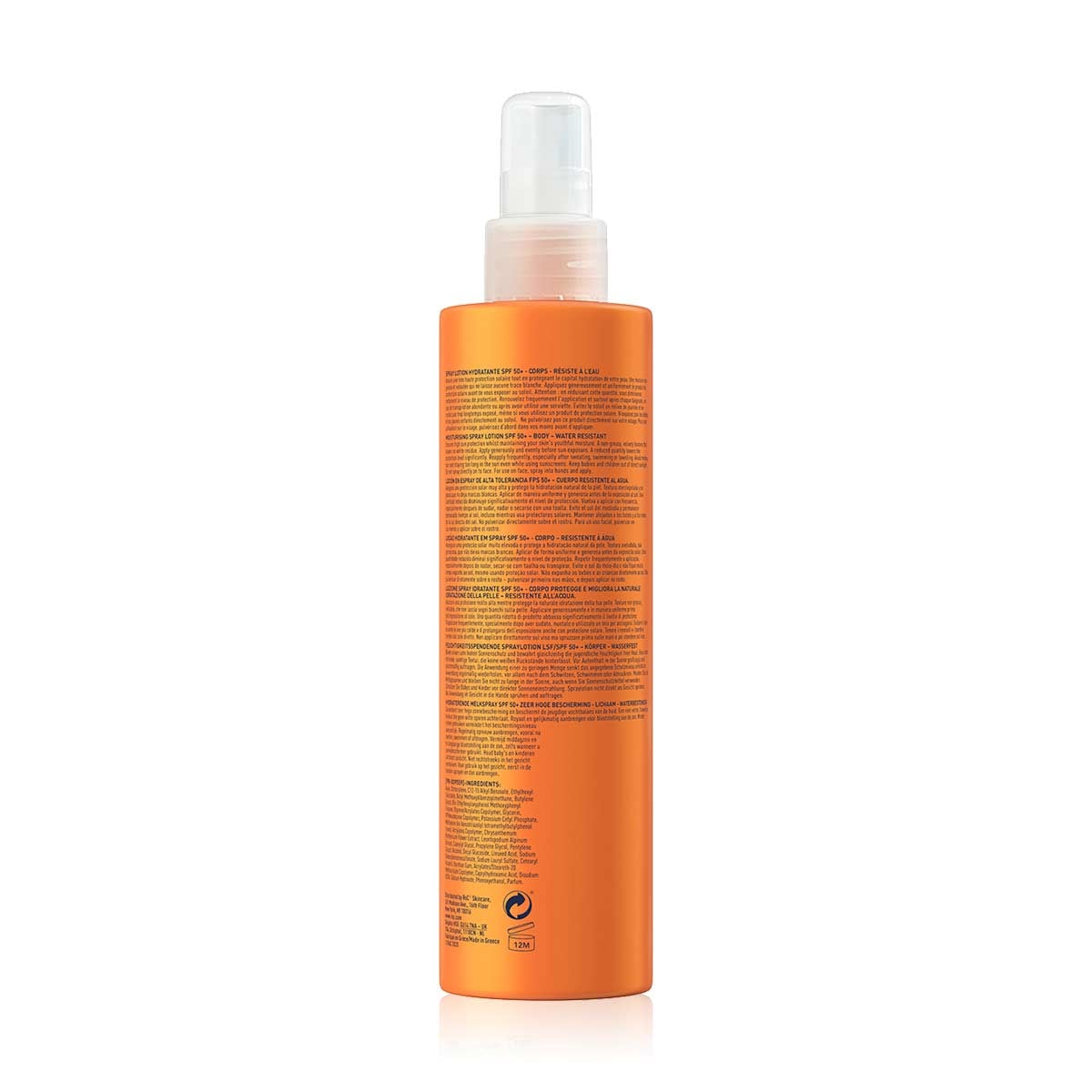
Roc
Soleil Protect Moisturising Spray Lotion Spf 50 200ml
Face Sunscreen
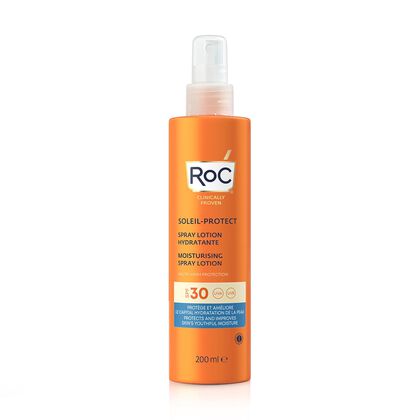
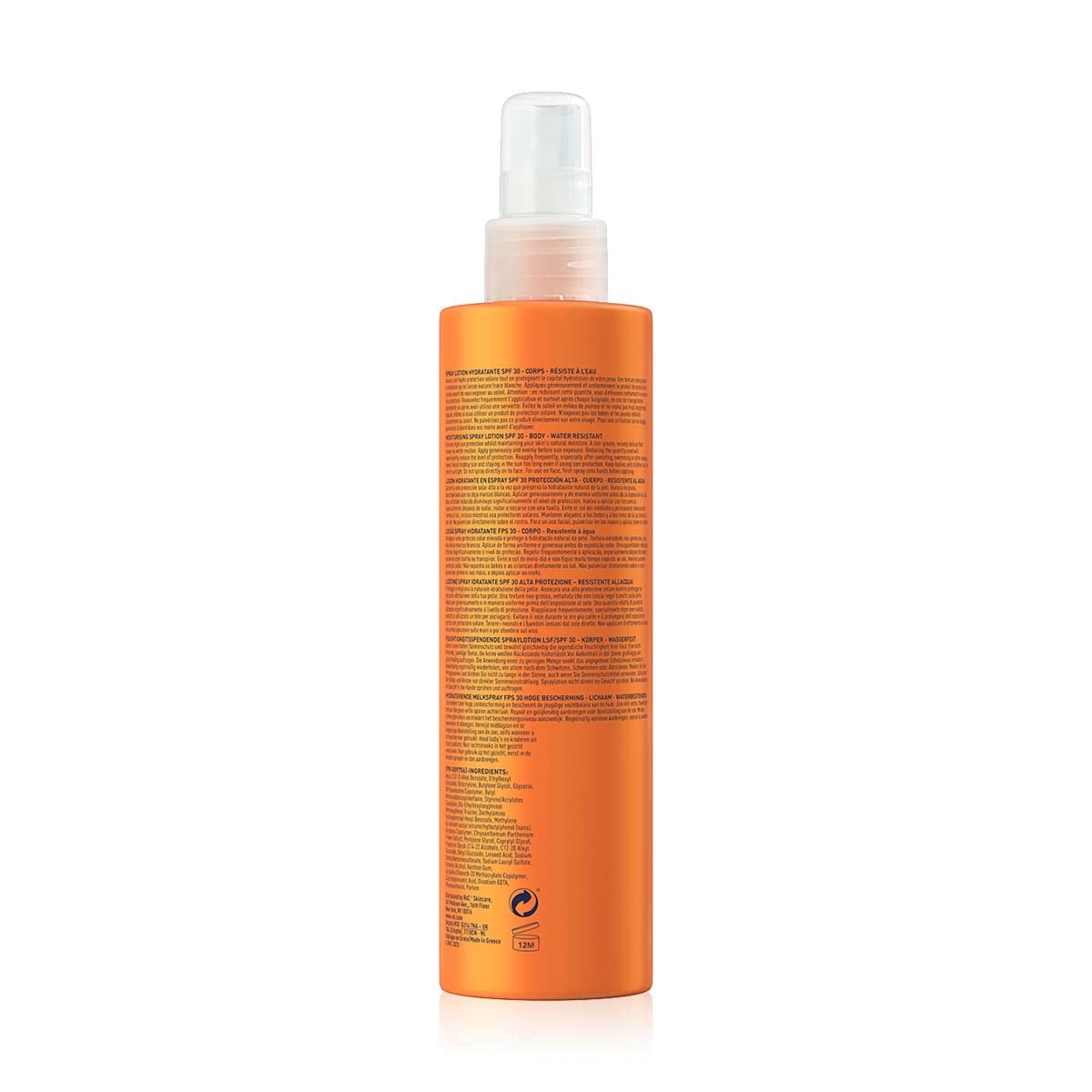
Roc
Soleil Protect Moisturising Spray Lotion Spf 30 200ml
Face Sunscreen
- New
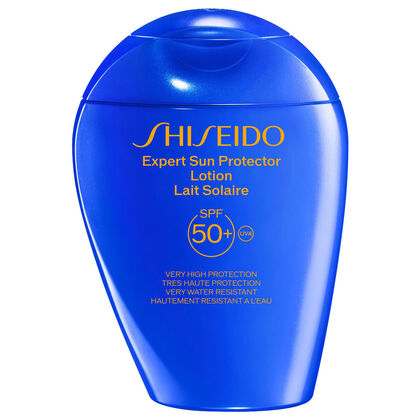
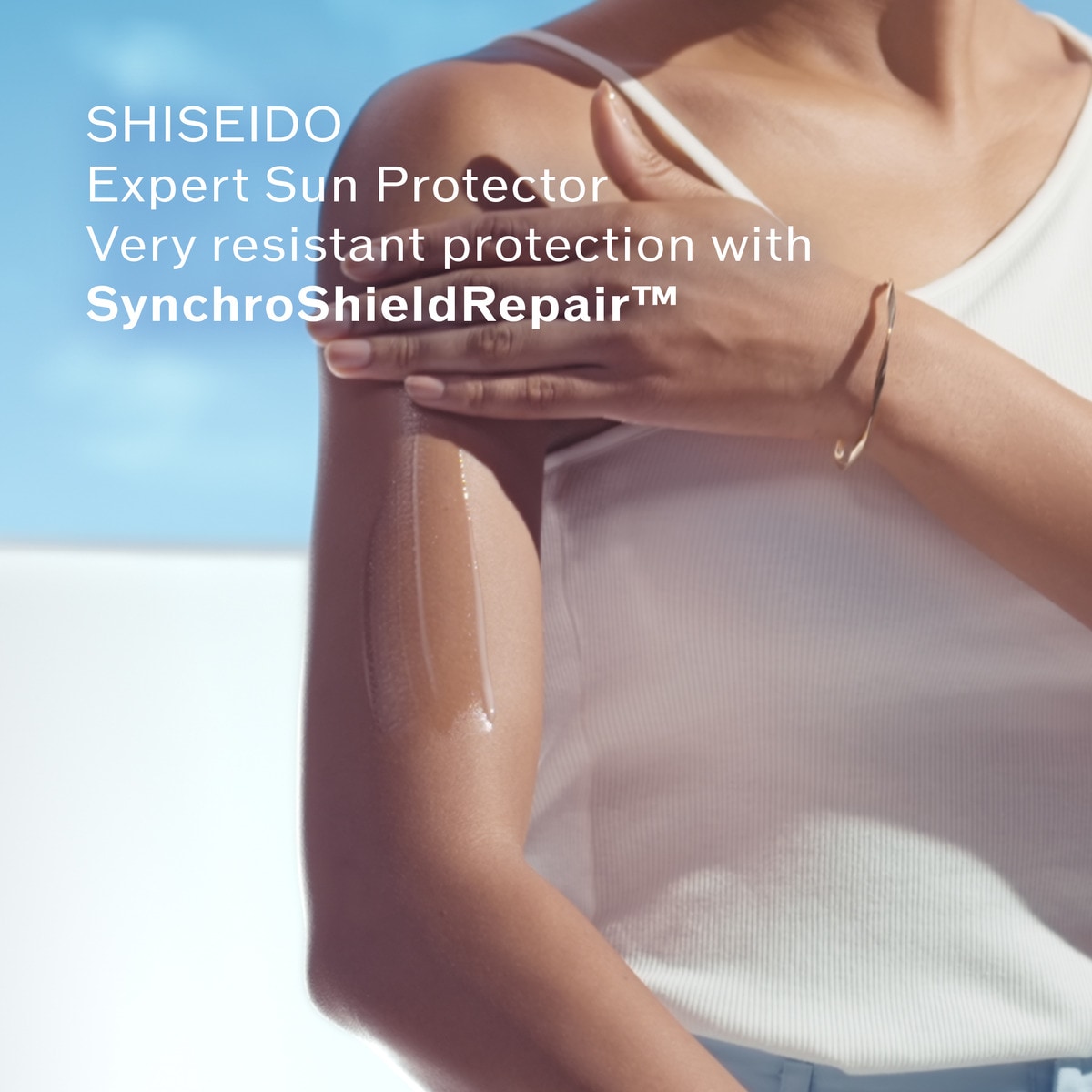
Shiseido
Blue Expert Sun Protector Lotion Spf50
Face Sunscreen
- New
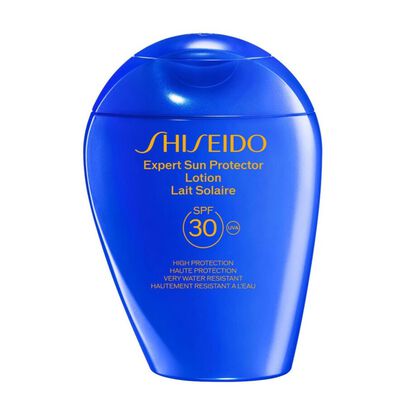
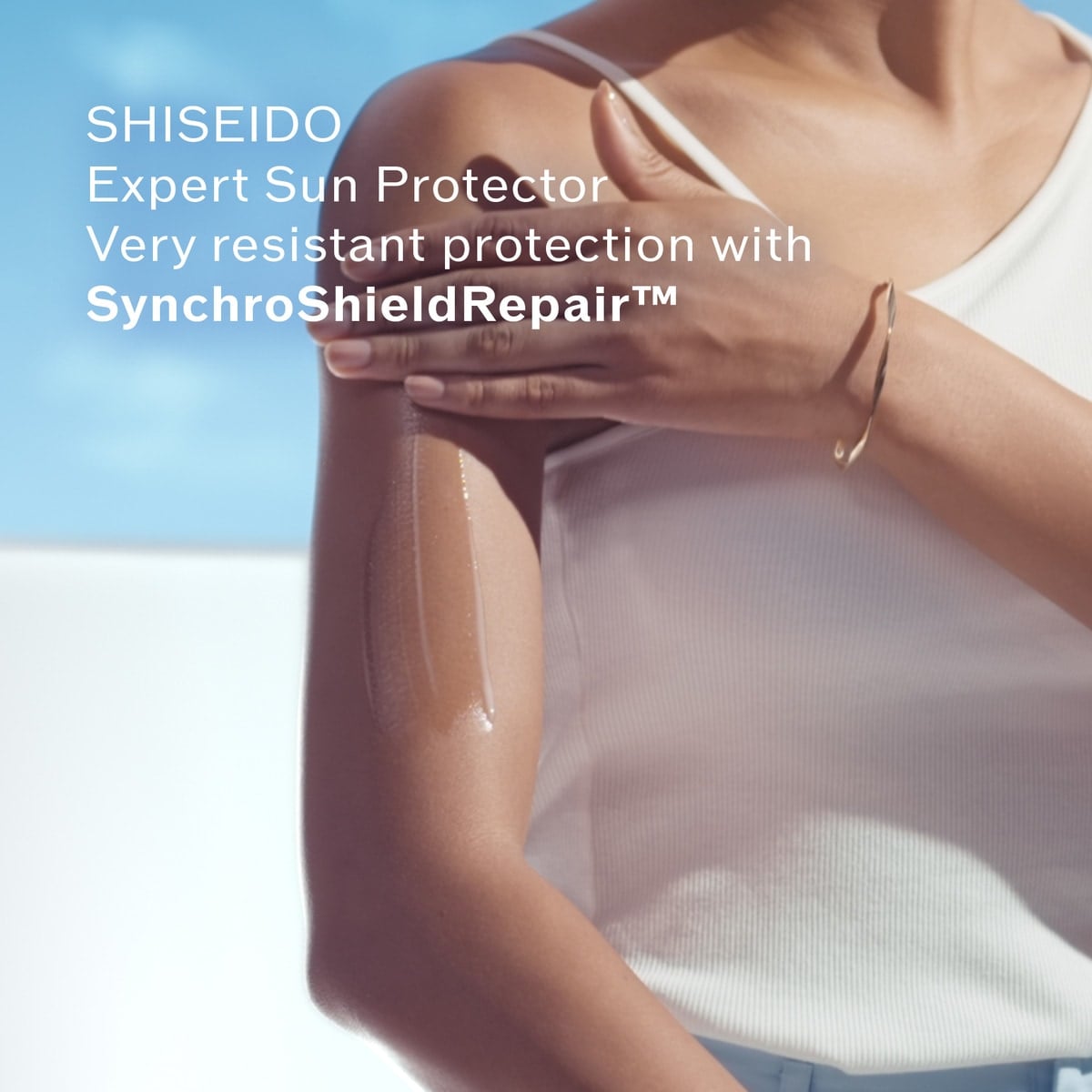
Shiseido
Blue Expert Sun Protector Lotion Spf30
Face Sunscreen
- Online Exclusive
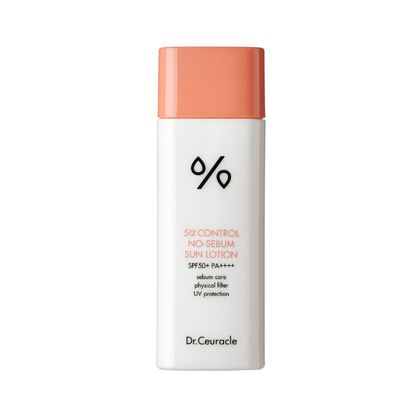
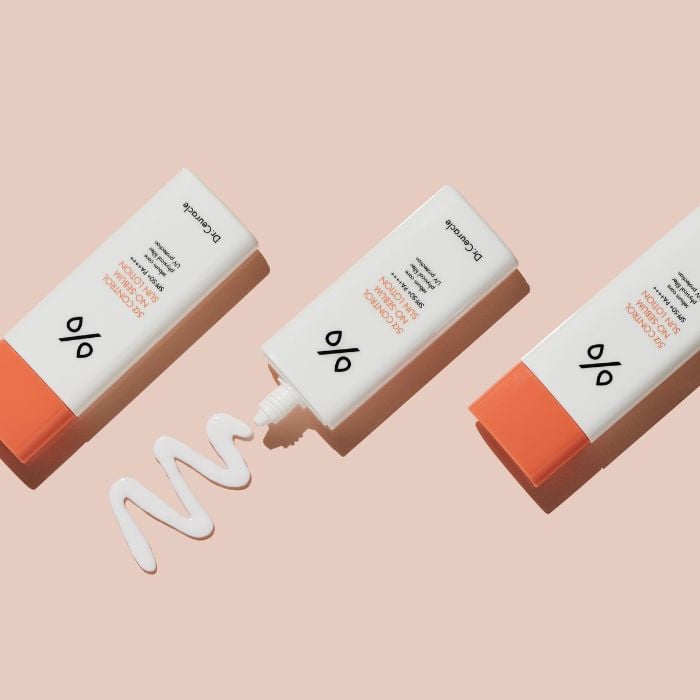
Dr. Ceuracle
5a Control No-sebum (spf50+) Sun Lotion, Oil Control Physical Sunscreen,
Face Sunscreen
- New
- Online Exclusive
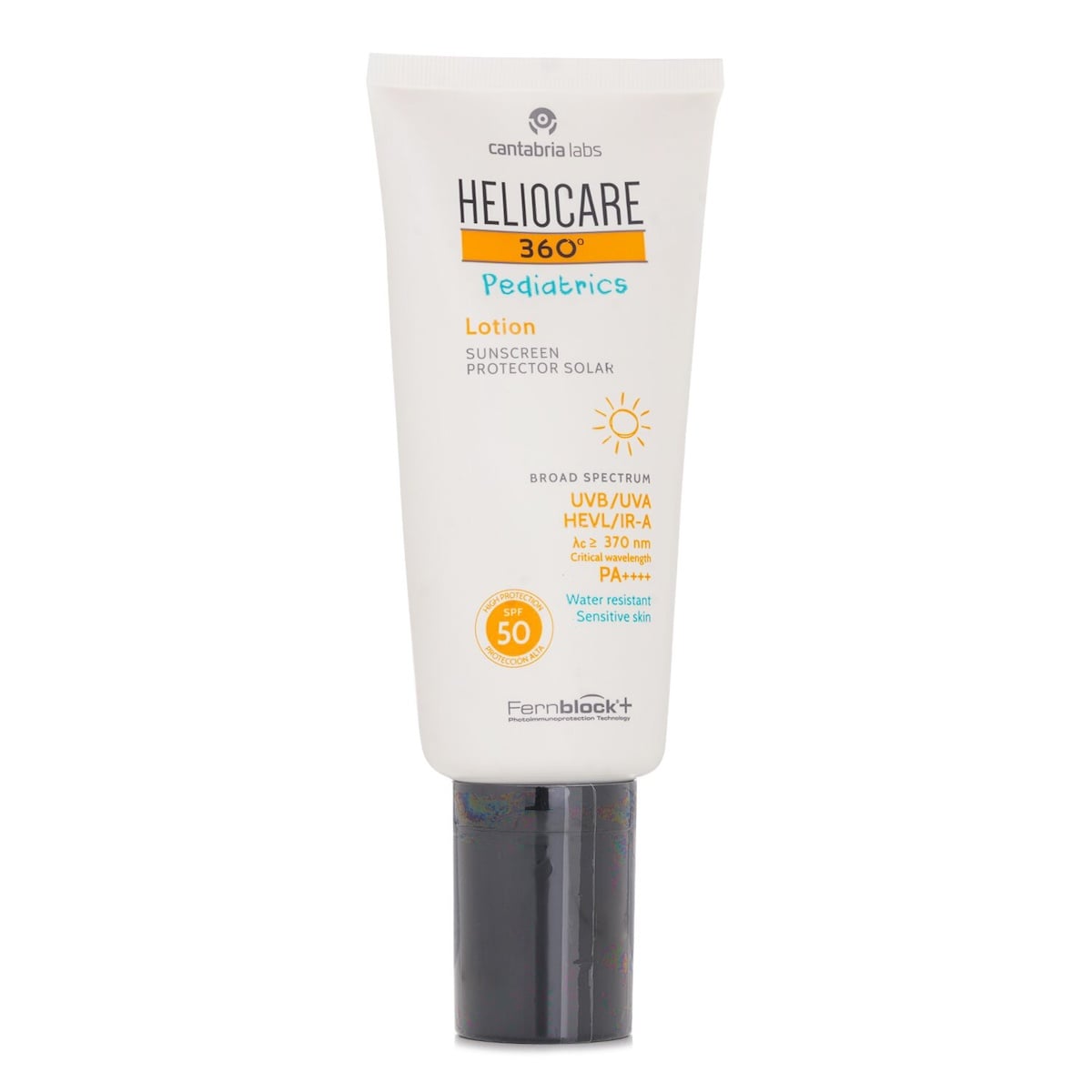
Heliocare
360 Pediatrics Lotion Spf 50
Face Sunscreen
- New
- Online Exclusive
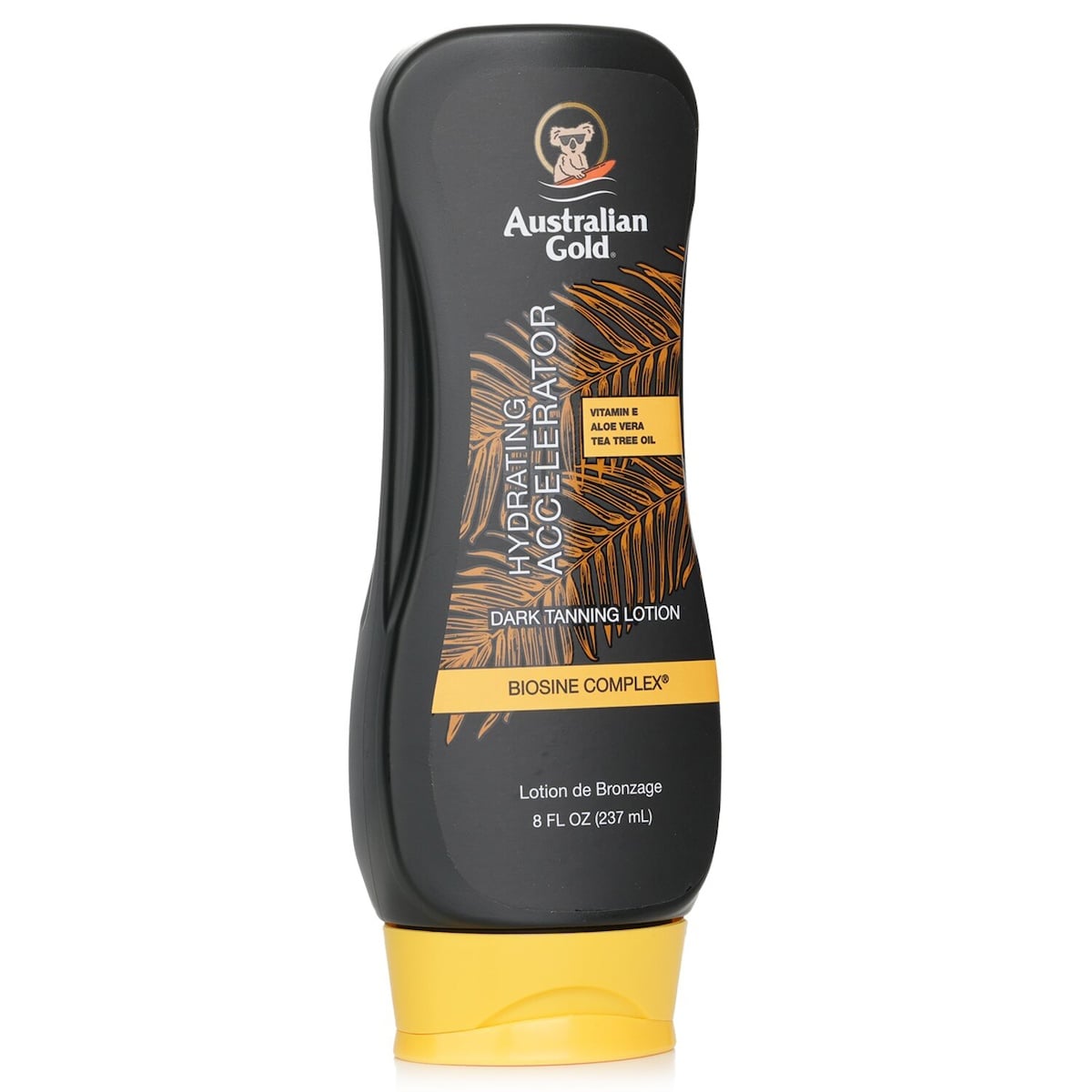
Australian Gold
Dark Tanning Accelerator Lotion
Body Sunscreen
- New
- Online Exclusive
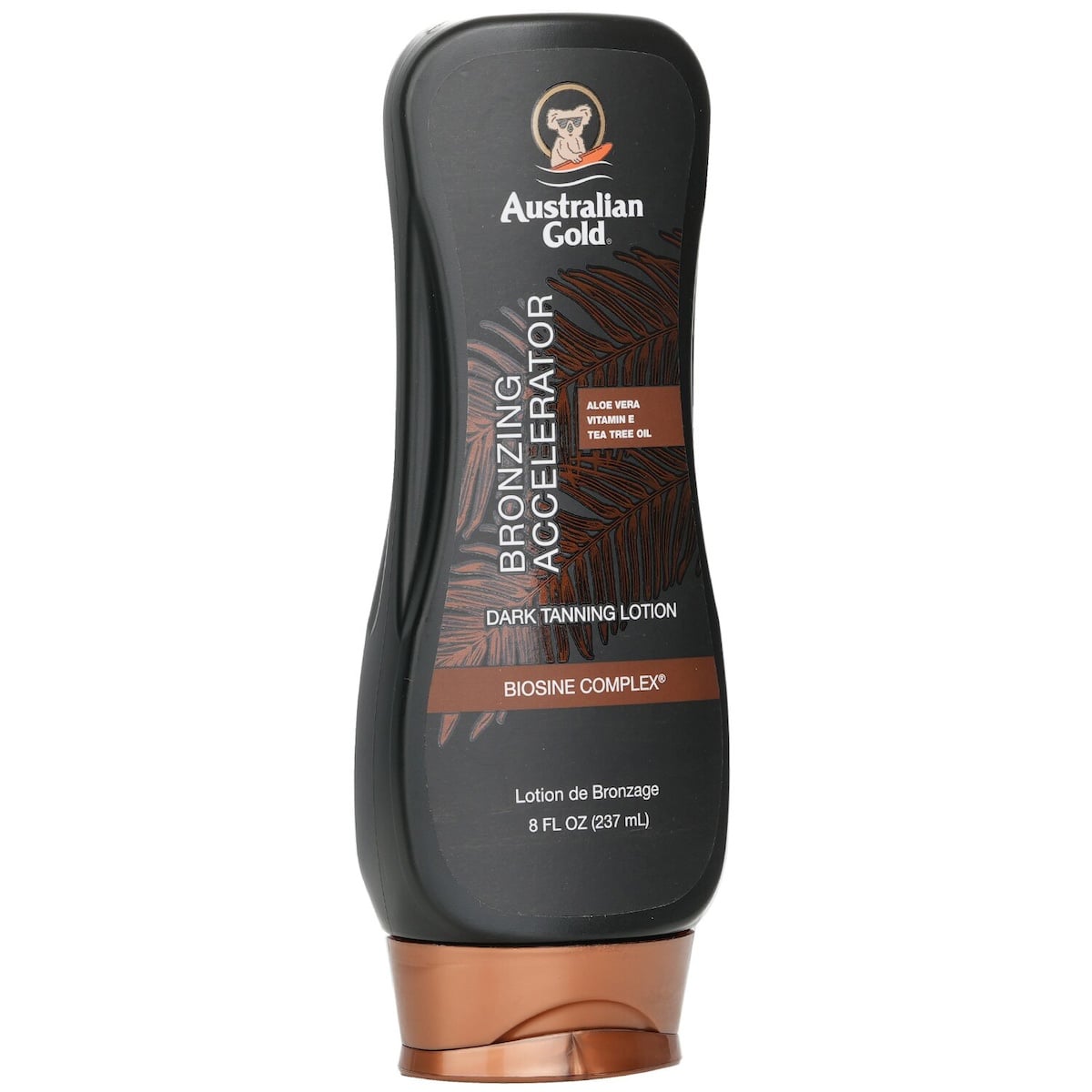
Australian Gold
Dark Tanning Accelerator Lotion With Bronzers
Body Sunscreen
- Online Exclusive
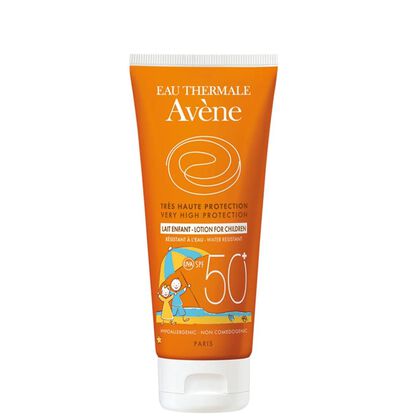
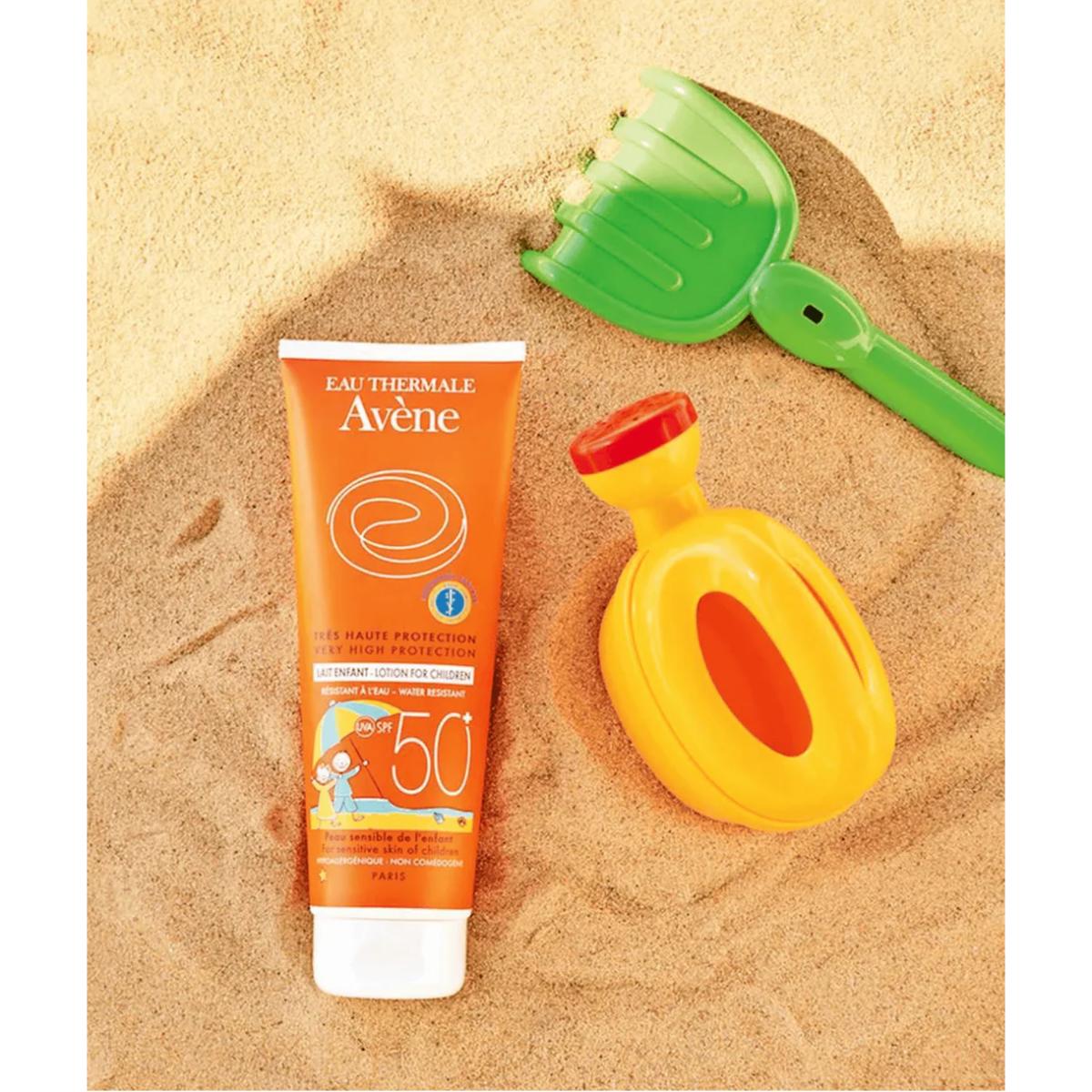
Very High Protection Kids Lotion Spf50+
Face Sunscreen
- New
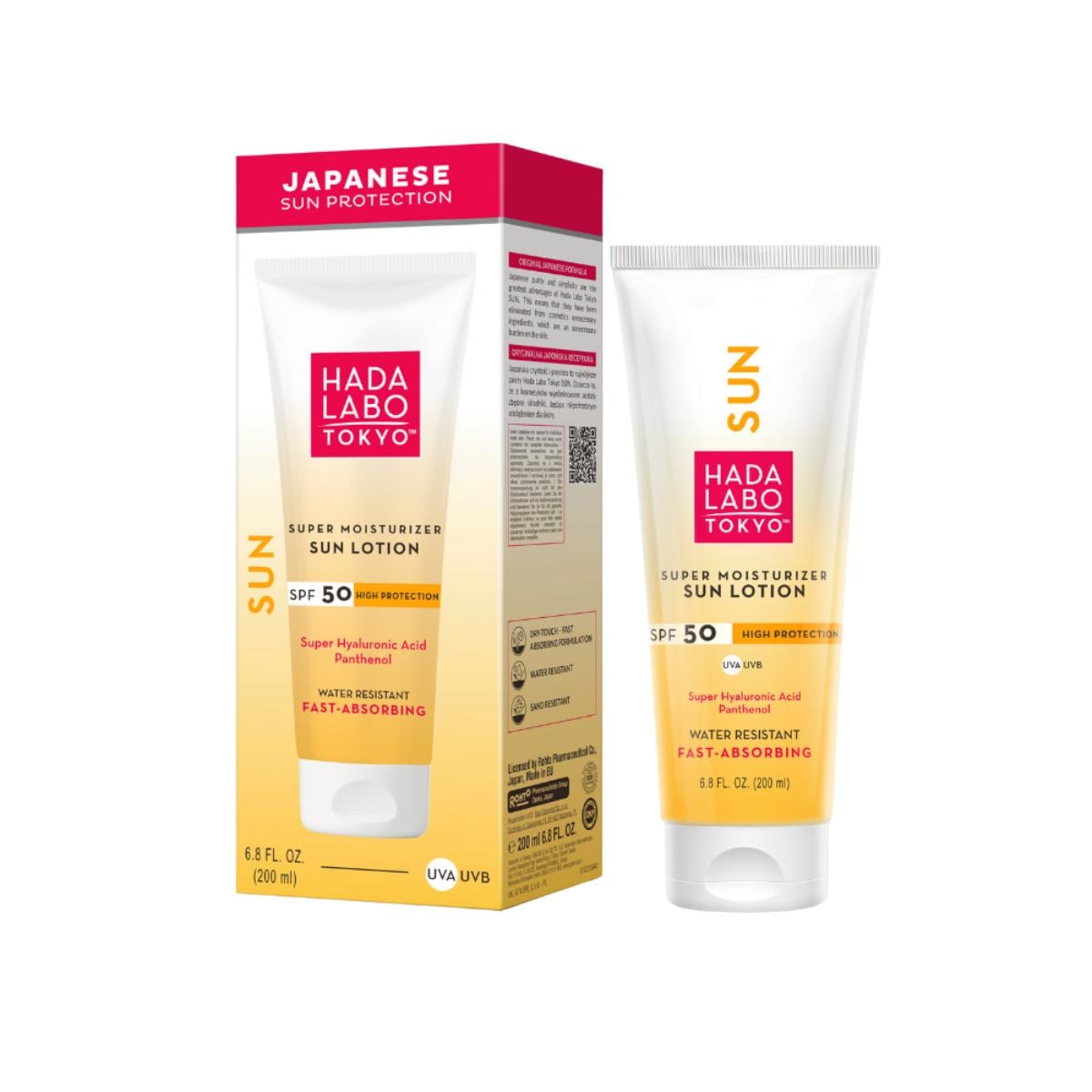
Hada Labo Tokyo
Super Moisturiser Spf 50+ Fast Absorbing
Face Sunscreen
Sunscreen lotion
For Oily Skin: Lightweight Innovations
For those with oily skin, opting for a sunscreen that offers a matte finish can be transformative. Formulations that include oil-absorbing ingredients such as kaolin clay or silica can provide coverage without the unwanted shine. A standout option is one featuring niacinamide, which not only protects against UV radiation but also helps regulate sebum production; the trade-off here is that it may lack the rich moisture some users seek, potentially leaving dry patches if combined with other drying agents. This type of sunscreen is particularly appealing during the stifling heat of UAE summers when humidity amplifies skin oiliness—yet be mindful that frequent reapplication is crucial to ensure ongoing efficacy.
For Sensitive Skin: Gentle Yet Effective Choices
Sunscreens designed for sensitive skin often highlight physical blockers like titanium dioxide or zinc oxide due to their minimal irritative potential. These formulations tend to be creamy or thick, offering robust protection while remaining soothing; however, their heavier texture may not blend seamlessly under makeup, presenting a challenge for those who prefer a lighter application. If your skin cannot tolerate heavy silicones or fragrant additives commonly found in many luxury sunscreens, consider those formulated with botanical extracts known for their calming properties—though keep in mind these may have limited SPF longevity compared to their synthetic counterparts.
For Dry Skin: Hydration Meets Protection
Individuals with dry skin will benefit from sunscreens enriched with hydrating ingredients like hyaluronic acid or glycerin. Such formulations offer dual protection by safeguarding against UV rays while simultaneously replenishing moisture levels—a critical consideration given the arid air typical of desert climates in winter months. The trade-off here is that heavier creams might feel greasy during peak temperatures; thus, choosing gel-based options can lead to a more comfortable wear despite less hydration retention over hours spent outdoors. This offers an intriguing balance between immediate comfort and longer-term hydration needs—careful selection based on daily activities and exposure will yield the best results.