
 WhatsApp
 Phone
Phone
 Email
Email


Women's body lotions
Women’s body lotions are a complex interplay of emollients, humectants, and occlusives designed to hydrate and protect the skin barrier. The efficacy of these formulations often lies in their ingredient science, where luxurious oils and active compounds converge to deliver both sensory pleasure and functional benefits.

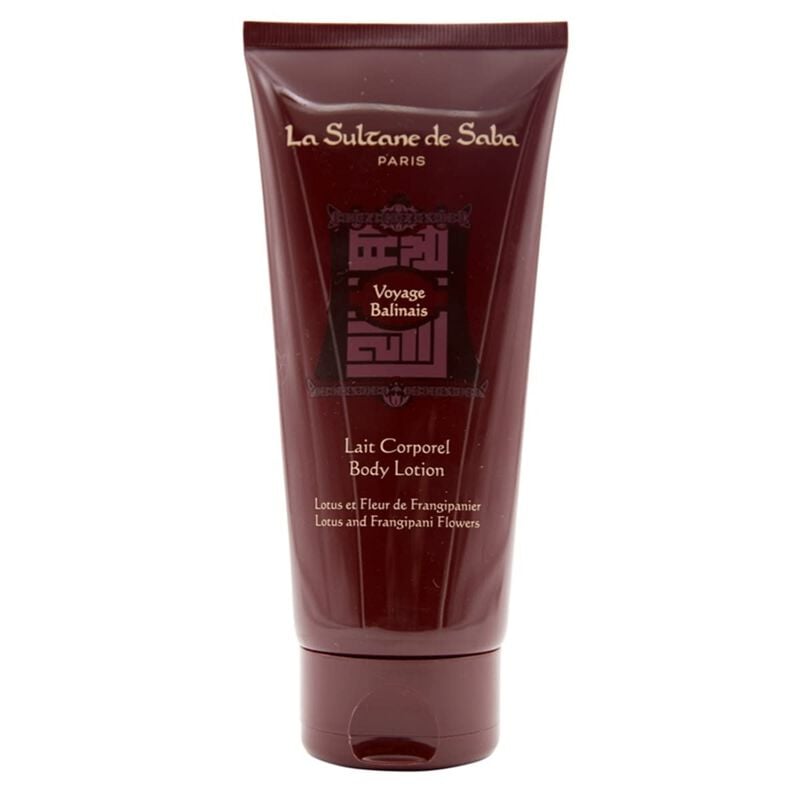
Women's body lotions
Olfactory Profiles: The Allure of Oud Infused Body Lotions
For those captivated by the enchanting scent of oud, body lotions infused with this rich fragrance provide a multisensory experience that transcends mere moisturization. Brands like Al Haramain craft lotions that not only nourish but also envelop the skin in a warm, woody aroma that lingers throughout the day. The trade-off here is that while these formulations offer substantial hydration due to their oil-rich bases, they may not absorb as quickly as lighter alternatives. This can be particularly advantageous for evening rituals when one desires an indulgent scent enveloping the skin without concern for rapid absorption.
Climate Adaptability: Summer vs. Winter Formulations
The climatic conditions in the Middle East demand a keen understanding of how body lotions perform under varying environmental stressors. In the scorching UAE summer, lightweight formulas with gel-based textures—like those offered by high-end brands such as Kiehl's—provide hydration without feeling heavy or greasy on the skin. However, if you prioritize longevity over sillage during this season, opting for thicker creams might sacrifice comfort for wear-time; these are better suited for winter’s drier air when deeper nourishment is paramount. Conversely, winter formulations are often richer and packed with elements like shea butter or ceramides which cocoon your skin against harsh weather conditions but can feel too occlusive during warmer months.
Skin Types: Catering to Diverse Needs
A discerning approach towards women’s body lotions involves recognizing the varying needs dictated by skin type. For dry skin types yearning for deep hydration without feeling weighed down, options enriched with hyaluronic acid or vitamin E serve well by attracting moisture while imparting a sumptuous after-feel on the skin's surface. Yet if your skin cannot tolerate heavy silicones typically found in such products—often added for their smoothing properties—you may find yourself seeking alternatives that focus solely on botanical oils or water-based hydrators; however, they may not provide adequate protection against moisture loss throughout the day. On the other hand, those with oily or combination skin might appreciate lightweight formulas designed specifically to balance sebum production while still addressing hydration needs; this often comes at a cost of less intense hydration compared to heavier creams tailored for dry complexions.