
 WhatsApp
 Phone
Phone
 Email
Email


Blender sponge
The formulation of a blender sponge plays an integral role in makeup application, often dictated by the balance of porous structure and material composition, which directly influences blending efficacy. The science behind the ingredients ensures that these tools not only serve their function but also align with various skin types and environmental factors, particularly in the luxury beauty market.

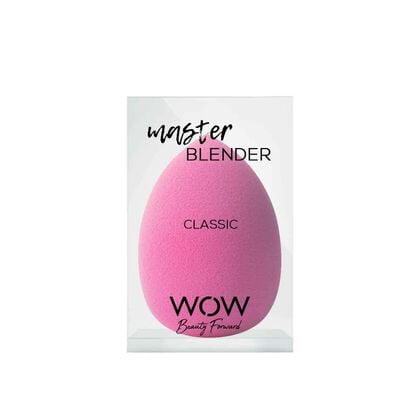
Wow Beauty
Master Blender - All In One Complexion Unifier
Makeup Sponge
- New
- Online Exclusive
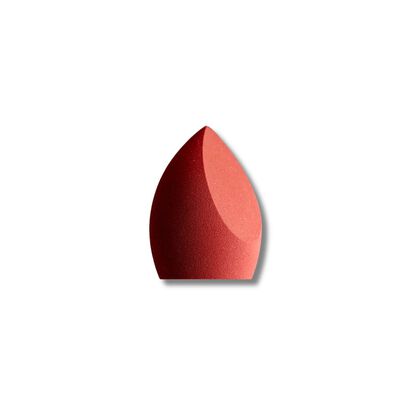
KLA Beauty
Beauty Blender
Brush Set
- New
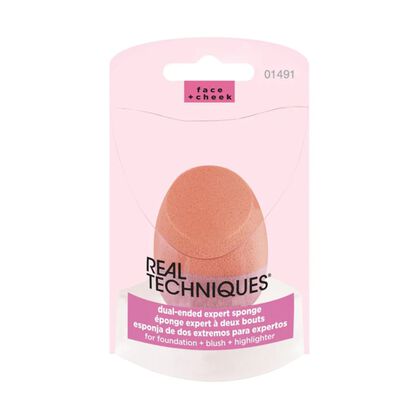
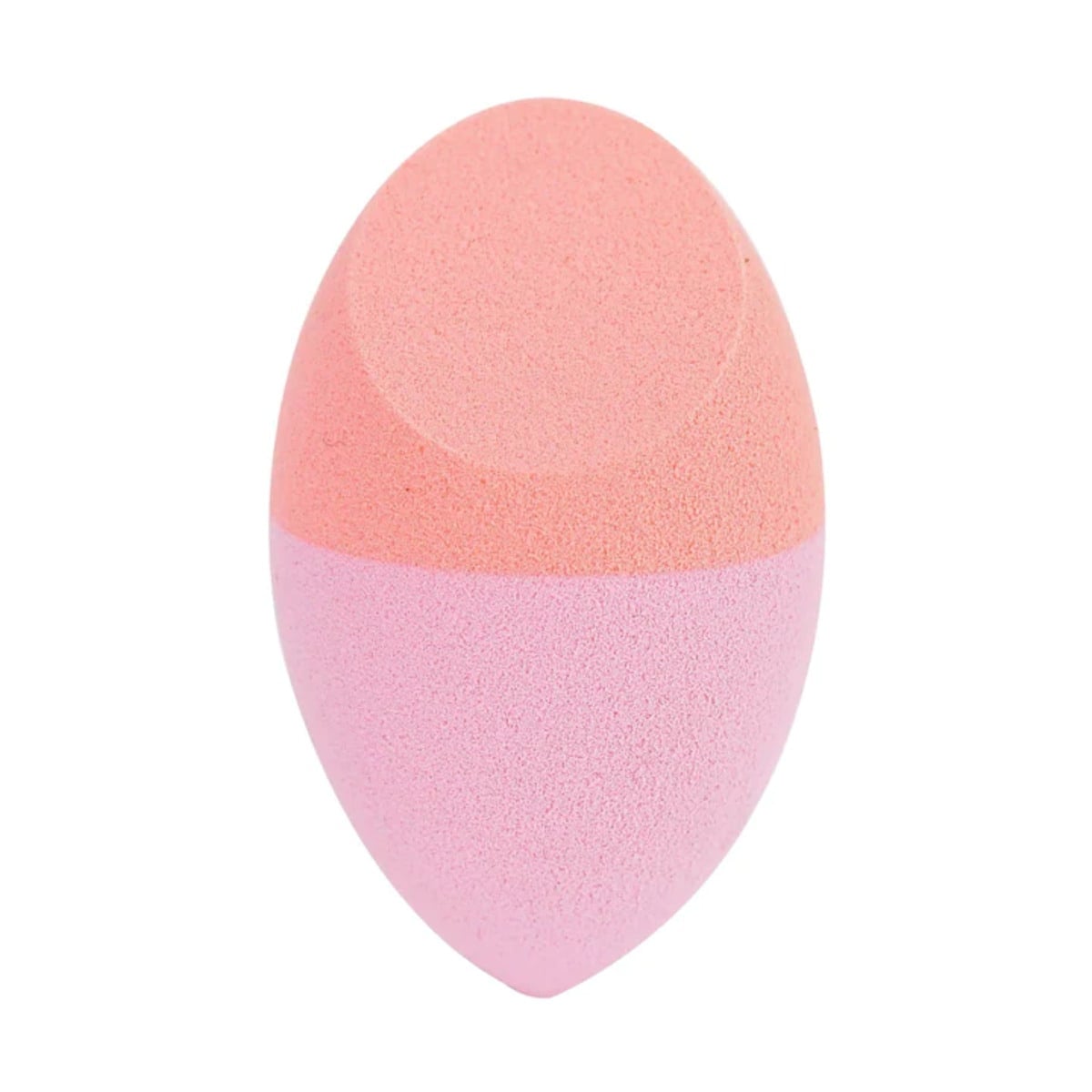
Real Techniques
Dual-ended Expert Sponge
Makeup Sponge
- New
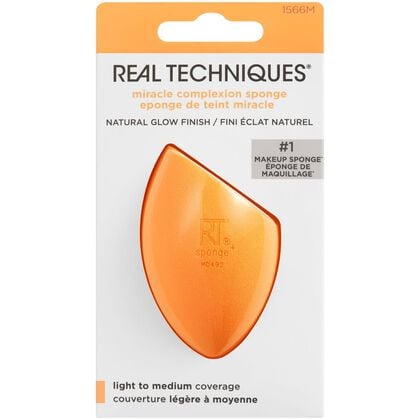
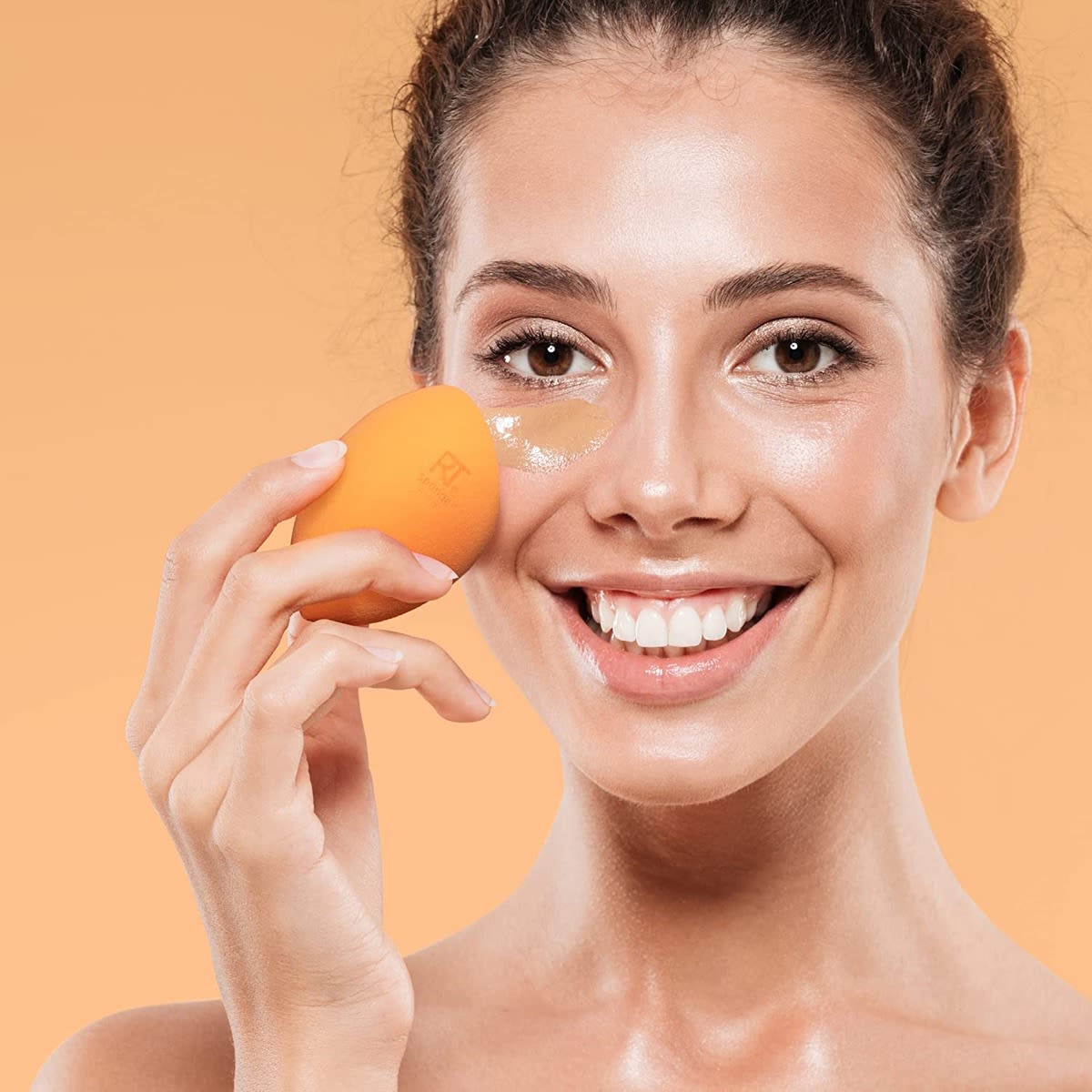
Real Techniques
Miracle Complexion Sponge
Makeup Sponge
- New

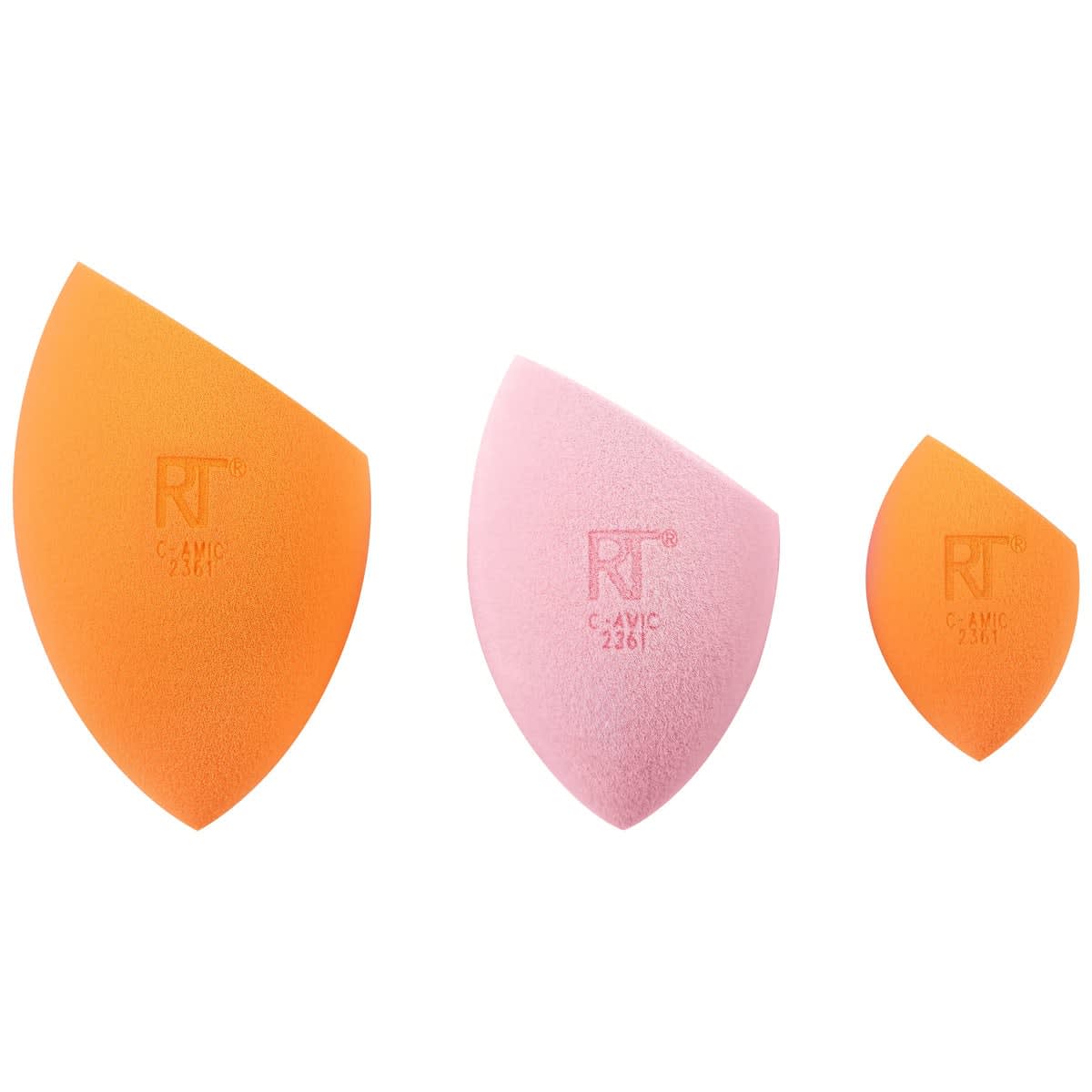
Real Techniques
Ultimate Makeup Sponge Trio
Makeup Sponge
Blender sponge
Skin Type Specificity
Climate Adaptability: UAE Summer vs. Winter
Considering the harsh summer heat of the UAE where humidity levels can fluctuate dramatically, a firm blender sponge designed for quick-drying formulations is paramount for maintaining control over sweat and oil production. The trade-off here is that while this firmness can offer better precision in applying matte foundations suitable for hot climates, it may lack the plush feel many expect from luxury beauty tools when transitioning into cooler months. In winter months where moisture retention becomes crucial, opting for a more flexible sponge that helps to build coverage subtly ensures that products blend seamlessly into skin without adhering too aggressively to dry patches; however, it demands careful consideration as it may not hold up against heavier product textures typically favored during colder seasons.
Olfactory Profile Considerations
The integration of fragrances within beauty applications can influence user experience significantly; hence understanding how your makeup tool interacts with scented products is critical. Using a blender sponge alongside rich oud fragrances means taking into account potential olfactory clashes—if you prioritize longevity over sillage when applying scents after using heavily perfumed base products on your skin; certain sponges may absorb residual fragrances or even alter them during blending. Additionally, lighter scented serums paired with more robust makeup formulations tend to require precision layering techniques achievable through high-density sponges crafted specifically for liquid textures—yet lighter materials cannot provide as much control when dealing with thicker creams or oils.