 WhatsApp
 Phone
Phone
 Email
Email


Clay mask
The efficacy of clay masks lies in their scientifically formulated mineral content, which absorbs impurities and excess sebum while delivering vital nutrients to the skin. The deliberate selection of ingredients can significantly influence not only the mask's performance but also its suitability for various skin types and environmental conditions.

- Online Exclusive
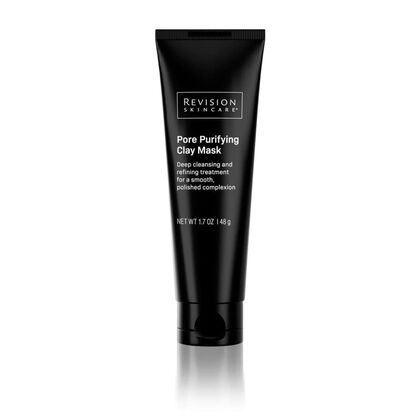
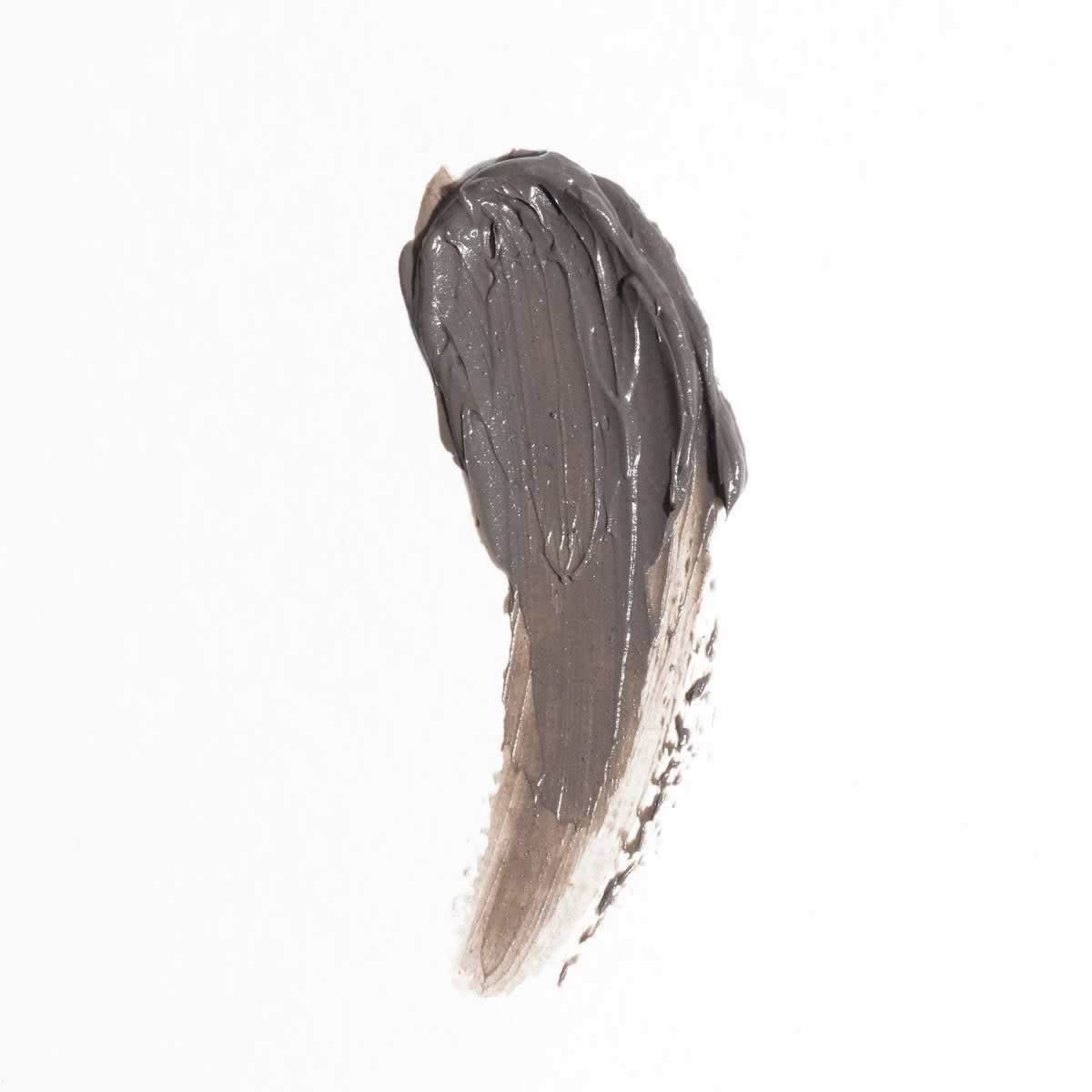
Revision Skincare
Pore Purifying Clay Mask
Facial Mask
- Online Exclusive
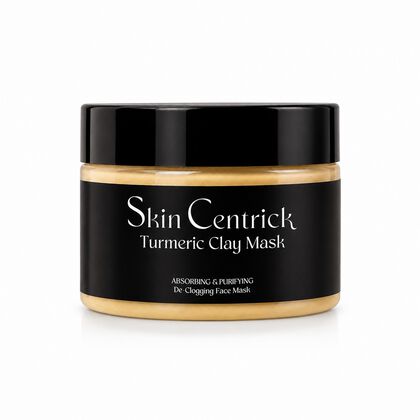
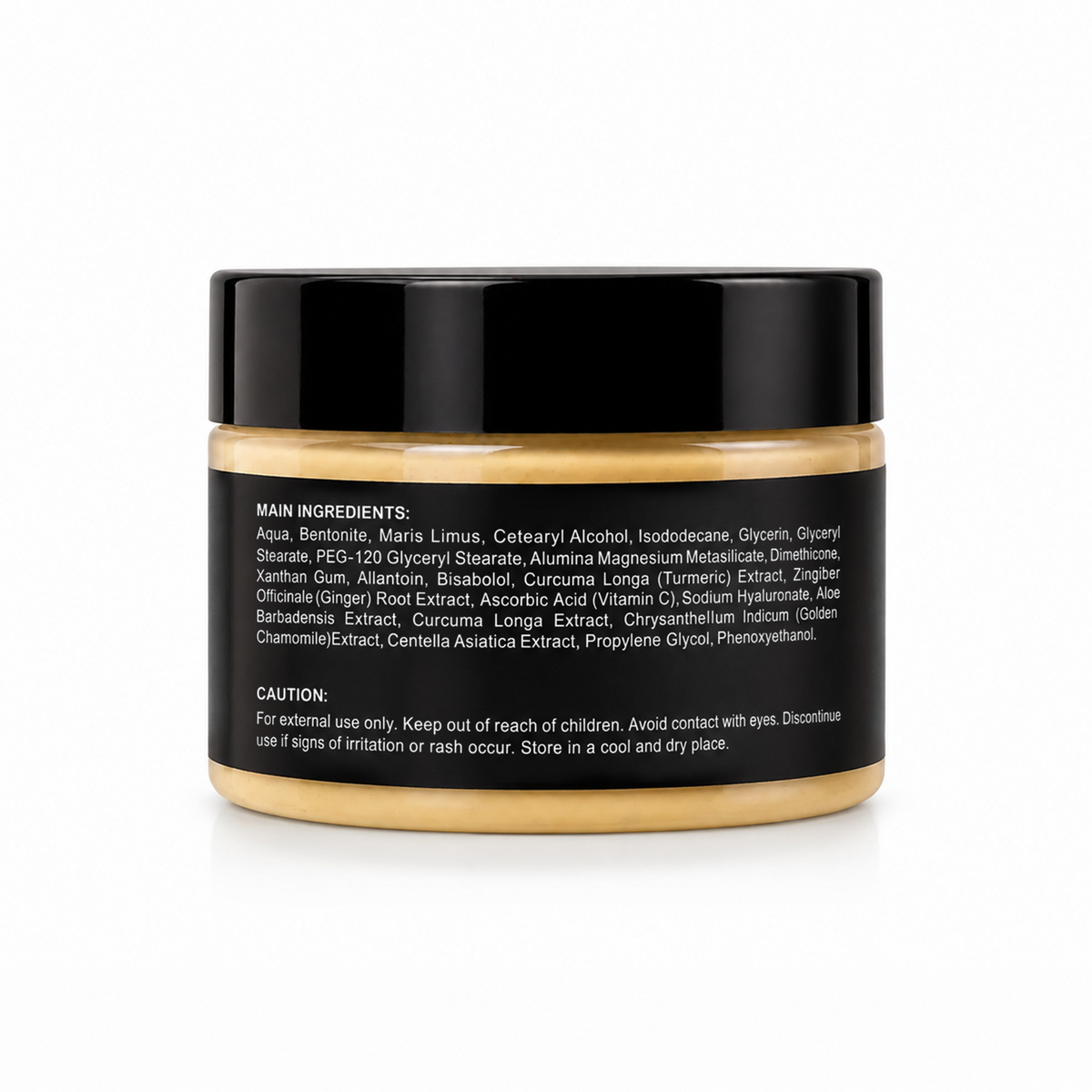
Skin Centrick
Turmeric Clay Mask
Facial Mask
- Online Exclusive
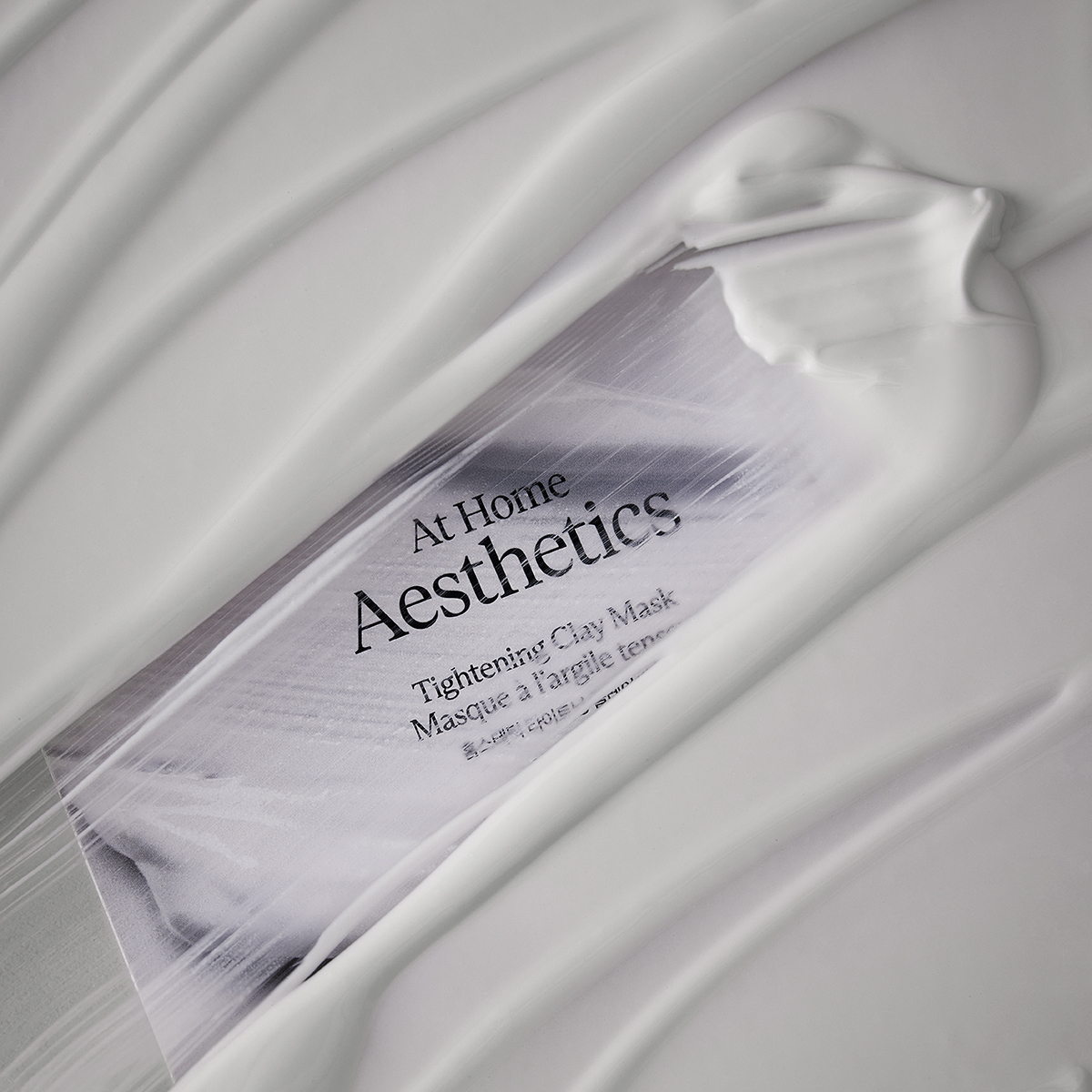
At Home Aesthetics Tightening Clay Mask
Sheet Mask
- Online Exclusive
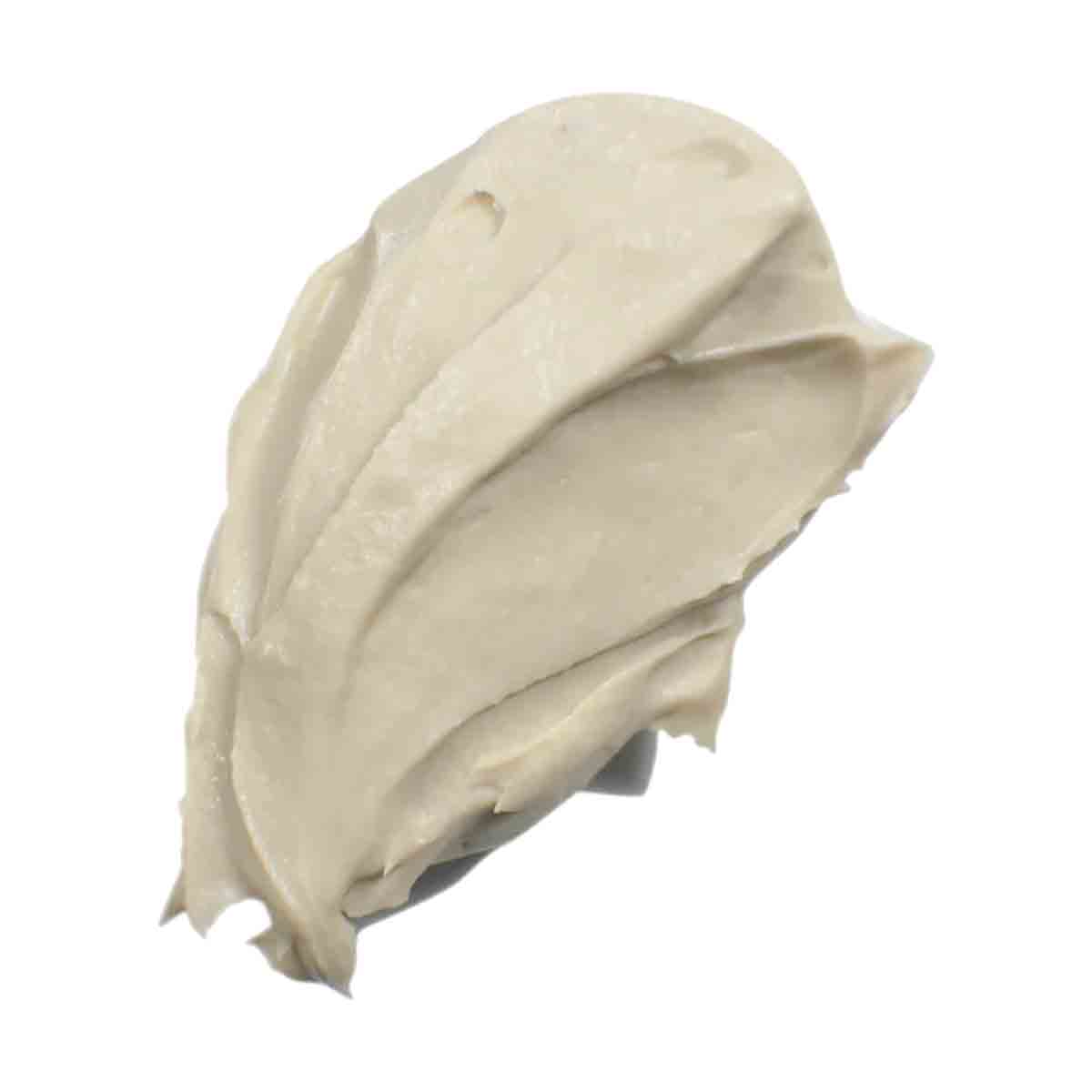
Abyssian
Volumizing Pre-shampoo Clay Mask
Hair Mask
- New
- Online Exclusive
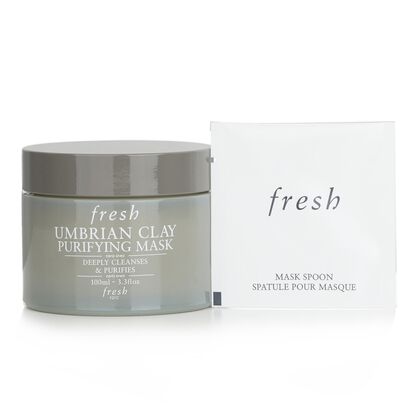
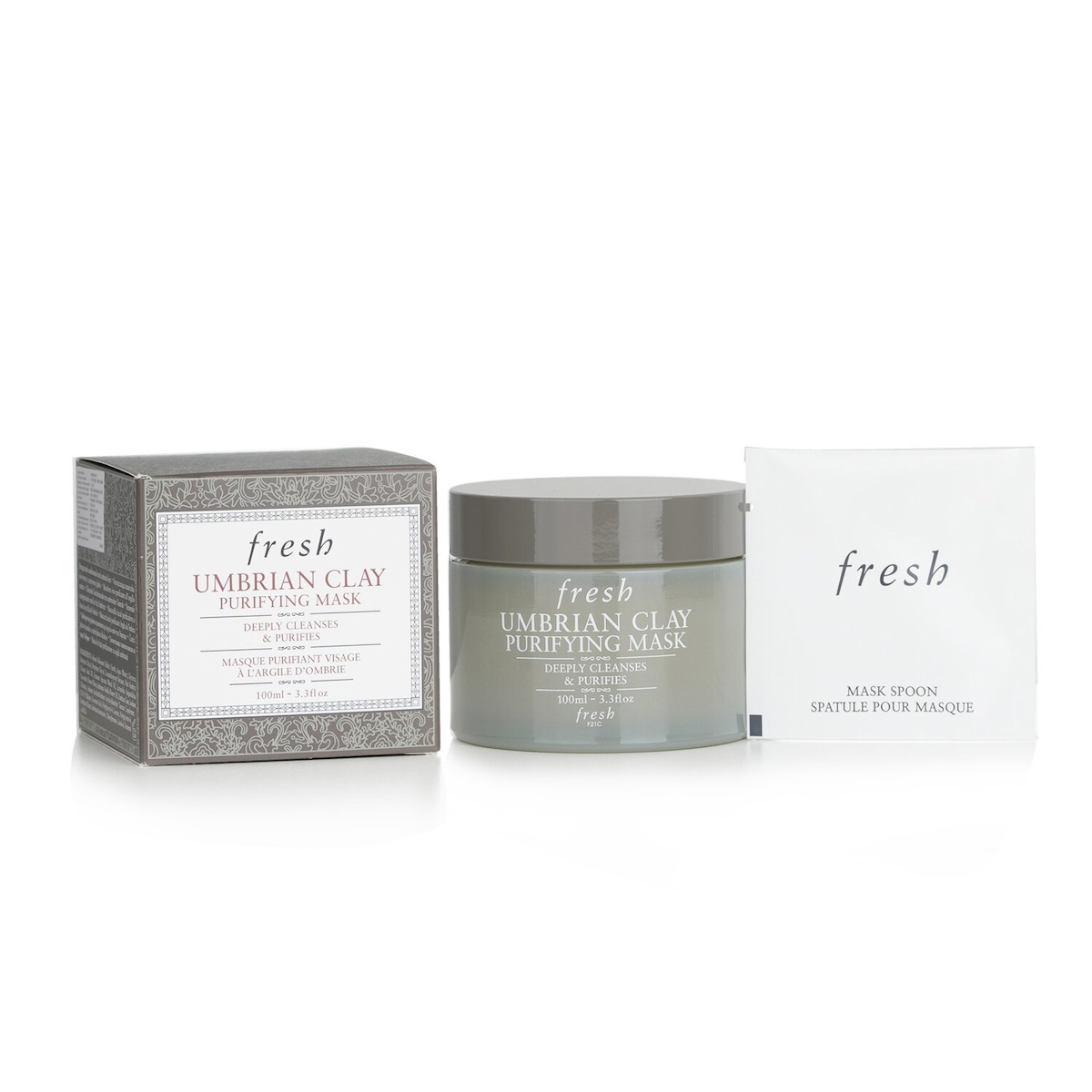
Fresh
Umbrian Clay Purifying Mask - For Normal To Oily Skin
Facial Mask
- New
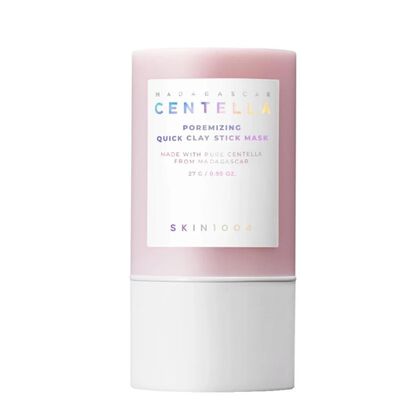
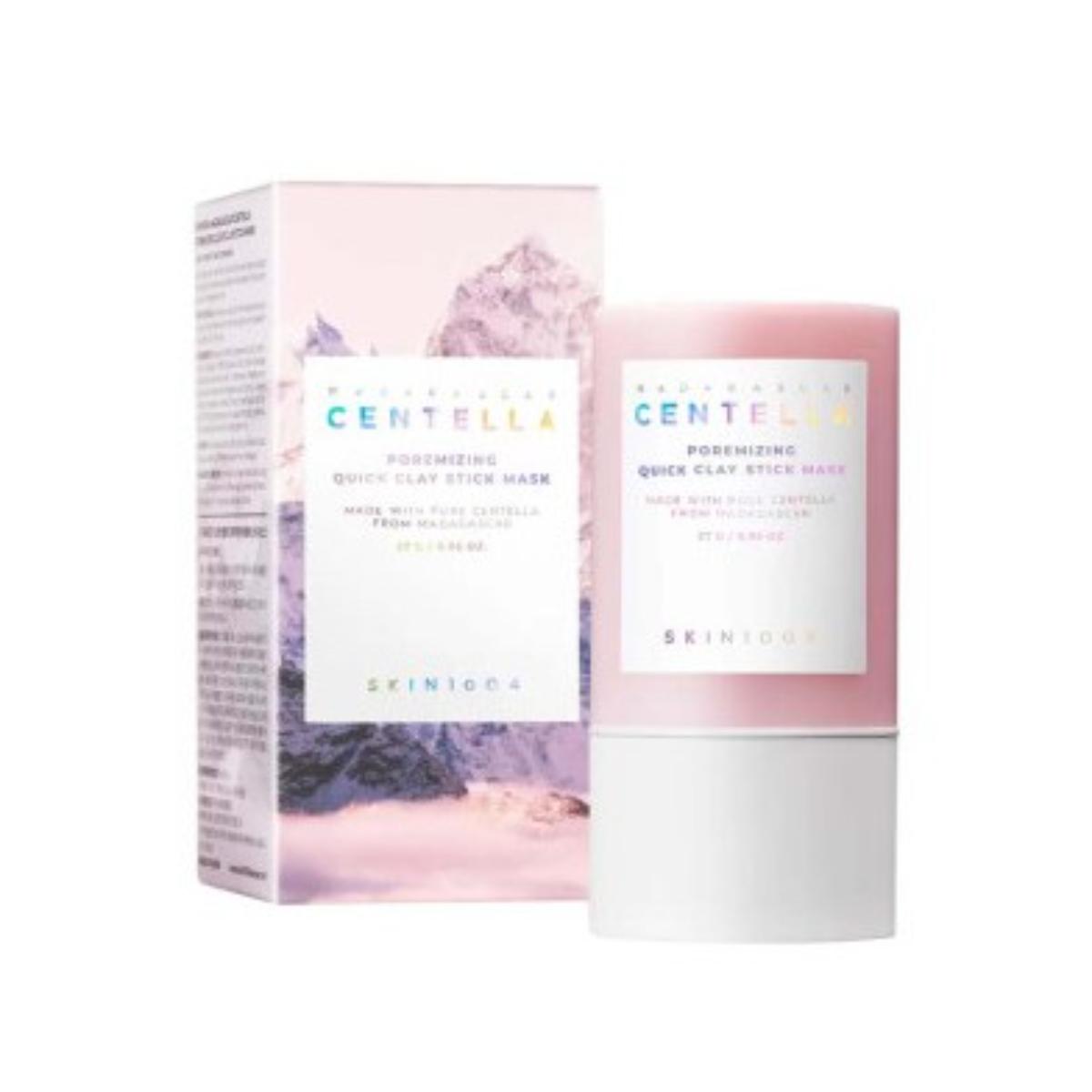
Skin1004
Madagascar Centella Poremizing Quick Clay Stick
Facial Mask
- New
- Online Exclusive
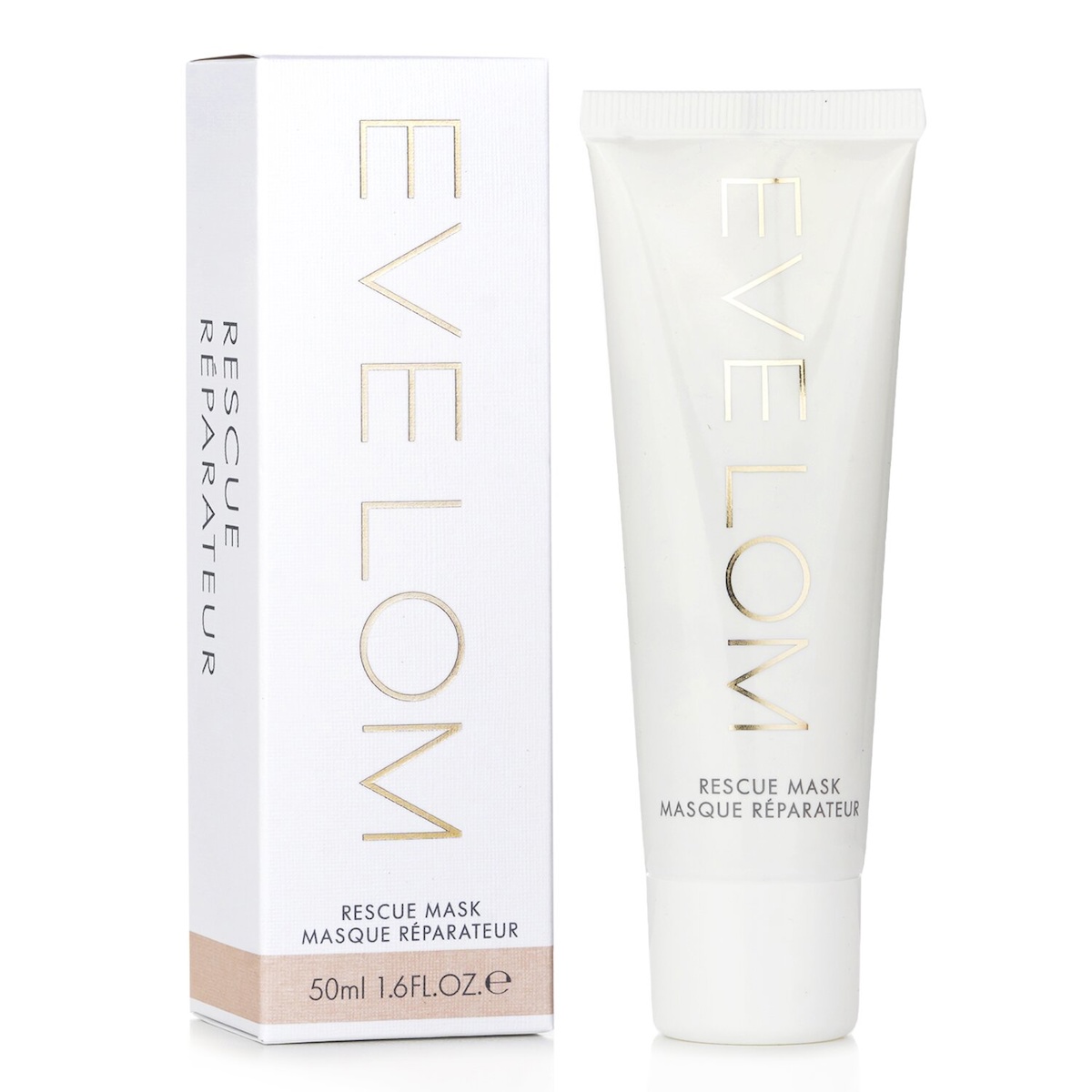
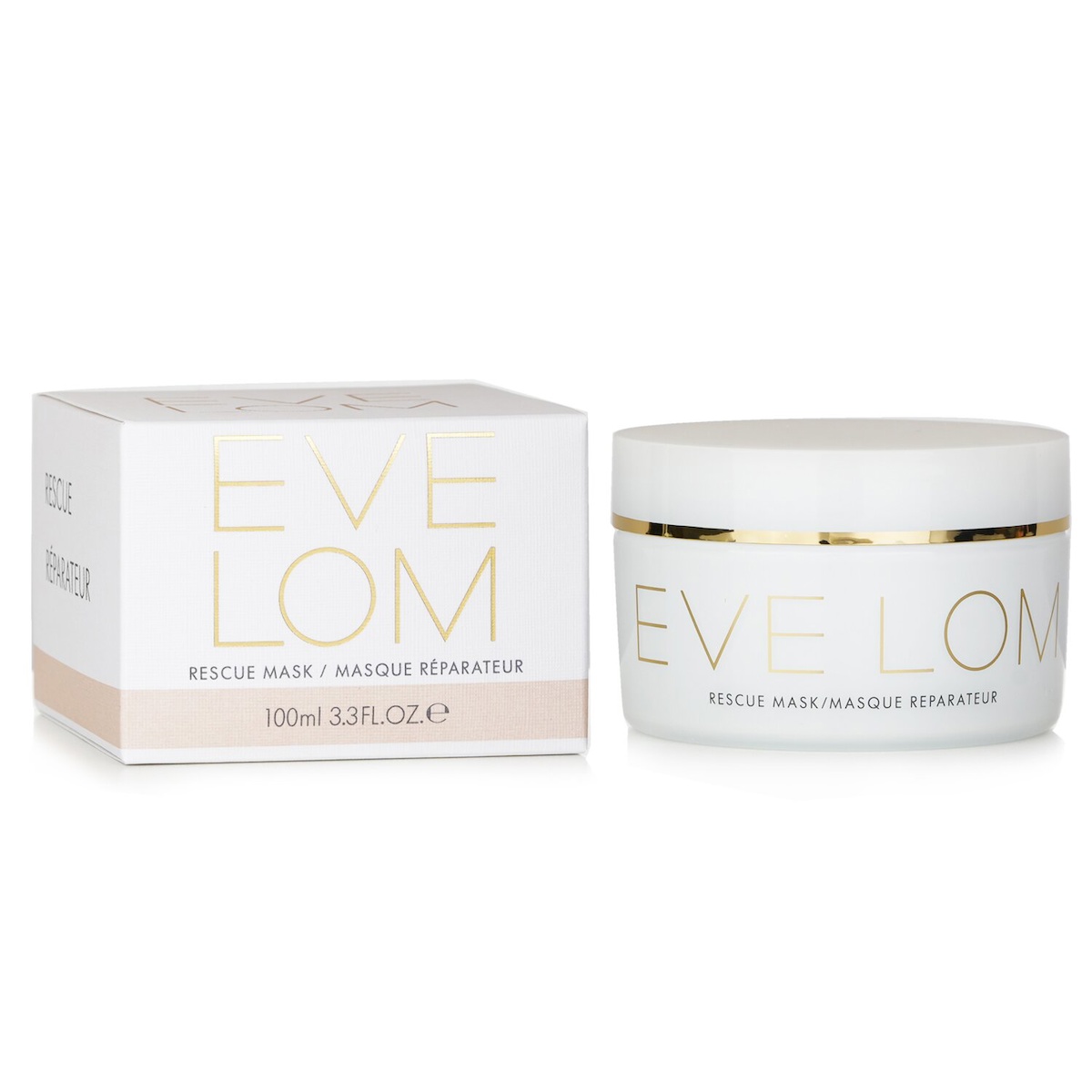
Eve Lom
Rescue Mask
Facial Mask
- New
- Online Exclusive
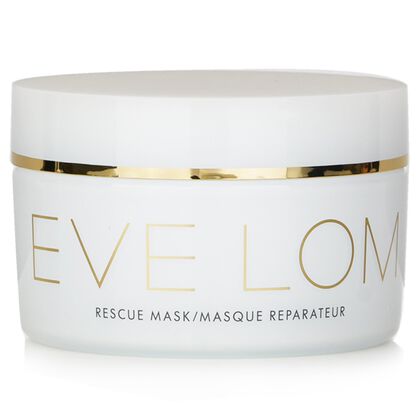
Eve Lom
Rescue Mask
Facial Mask
- New
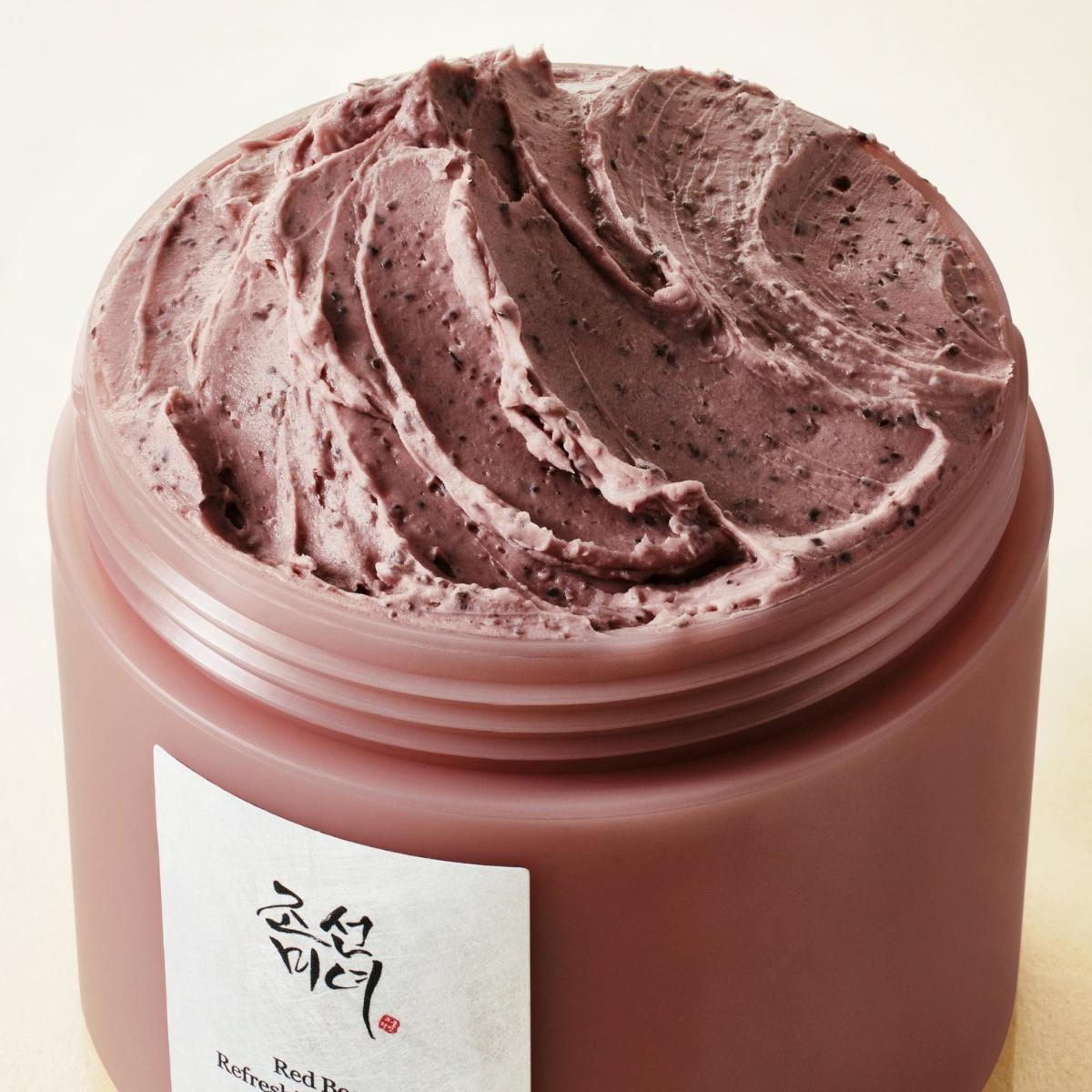
Beauty Of Joseon
Red Bean Refreshing Pore
Facial Mask
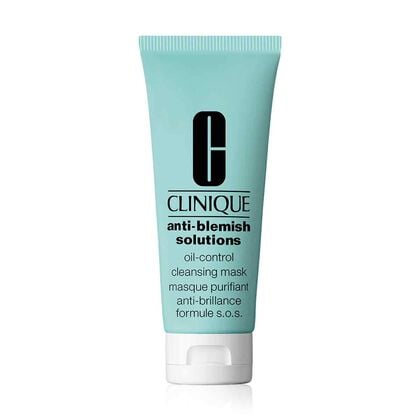
Clinique
Anti-blemish Solutions Oil Control Cleansing Mask
Face Wash & Cleanser
- New
- Exclusive
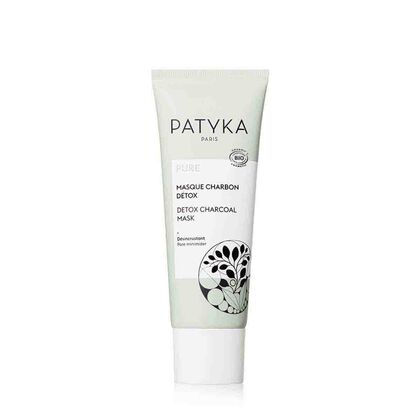
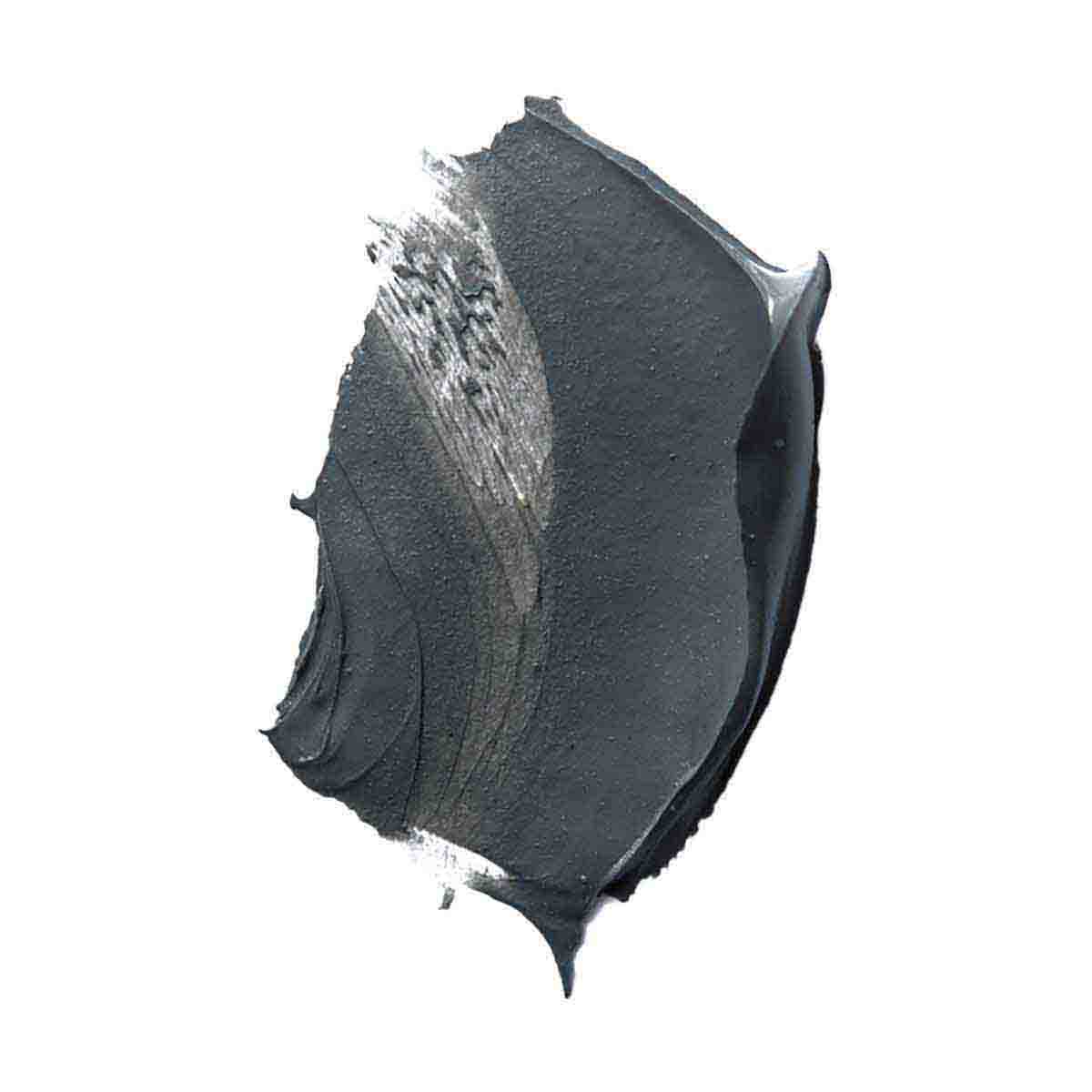
Patyka
Detox Charcoal Mask
Facial Mask
- New
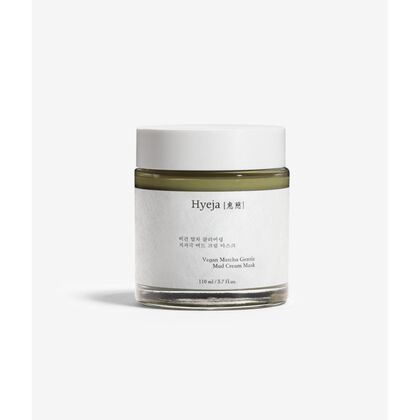
Hyeja
Vegan Matcha Gentle Mud Cream Mask
Facial Mask
- Online Exclusive
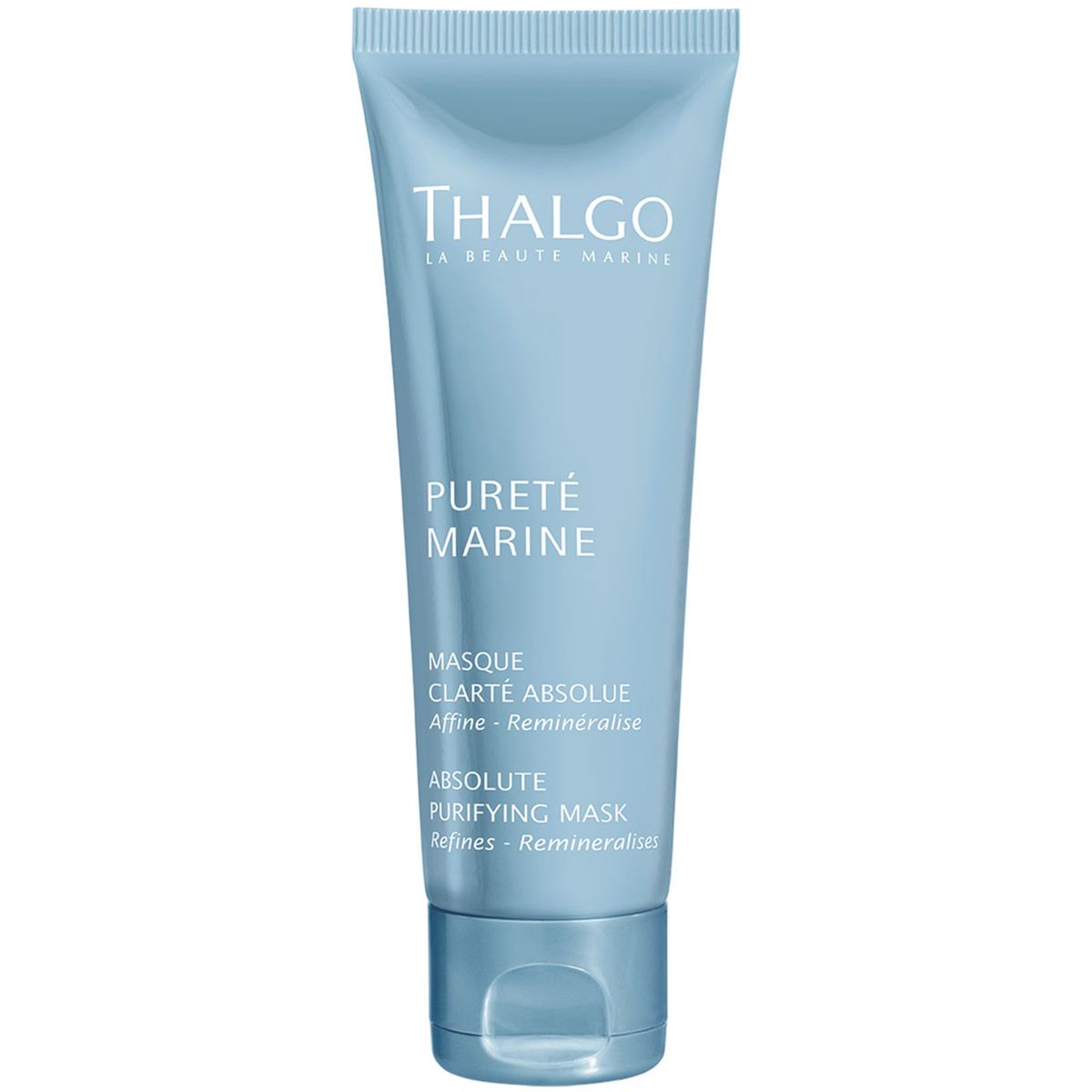
Thalgo
Skin Solutions Purete Marine Absolute Purifying Mask
- New
- Online Exclusive
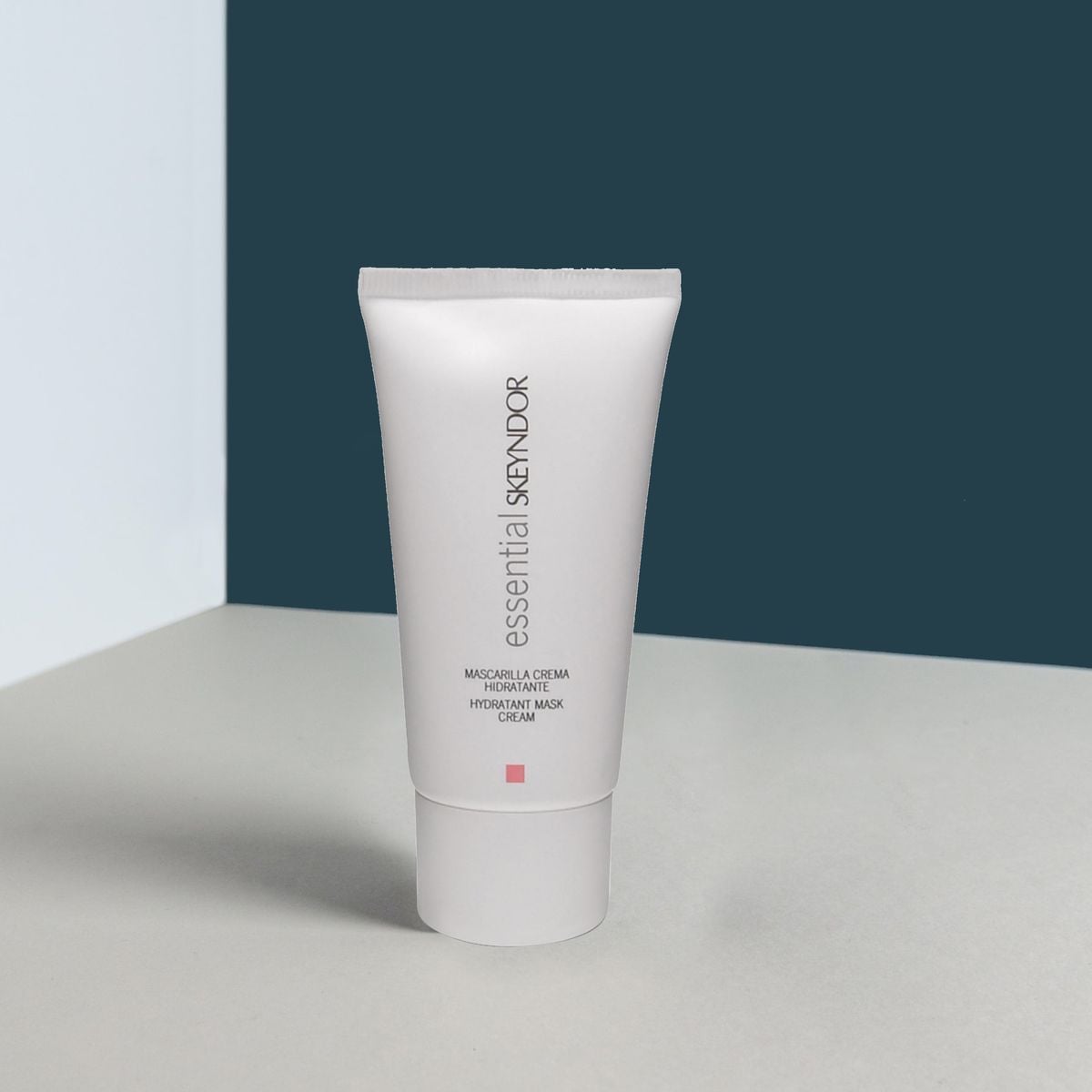
Skeyndor
Hydrating Mask Cream
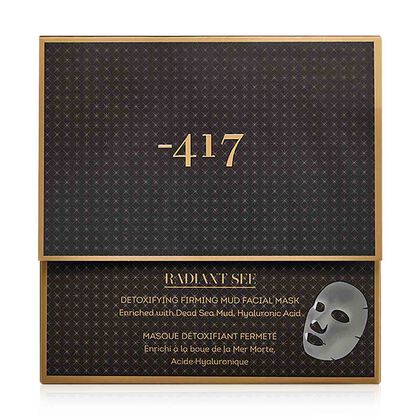
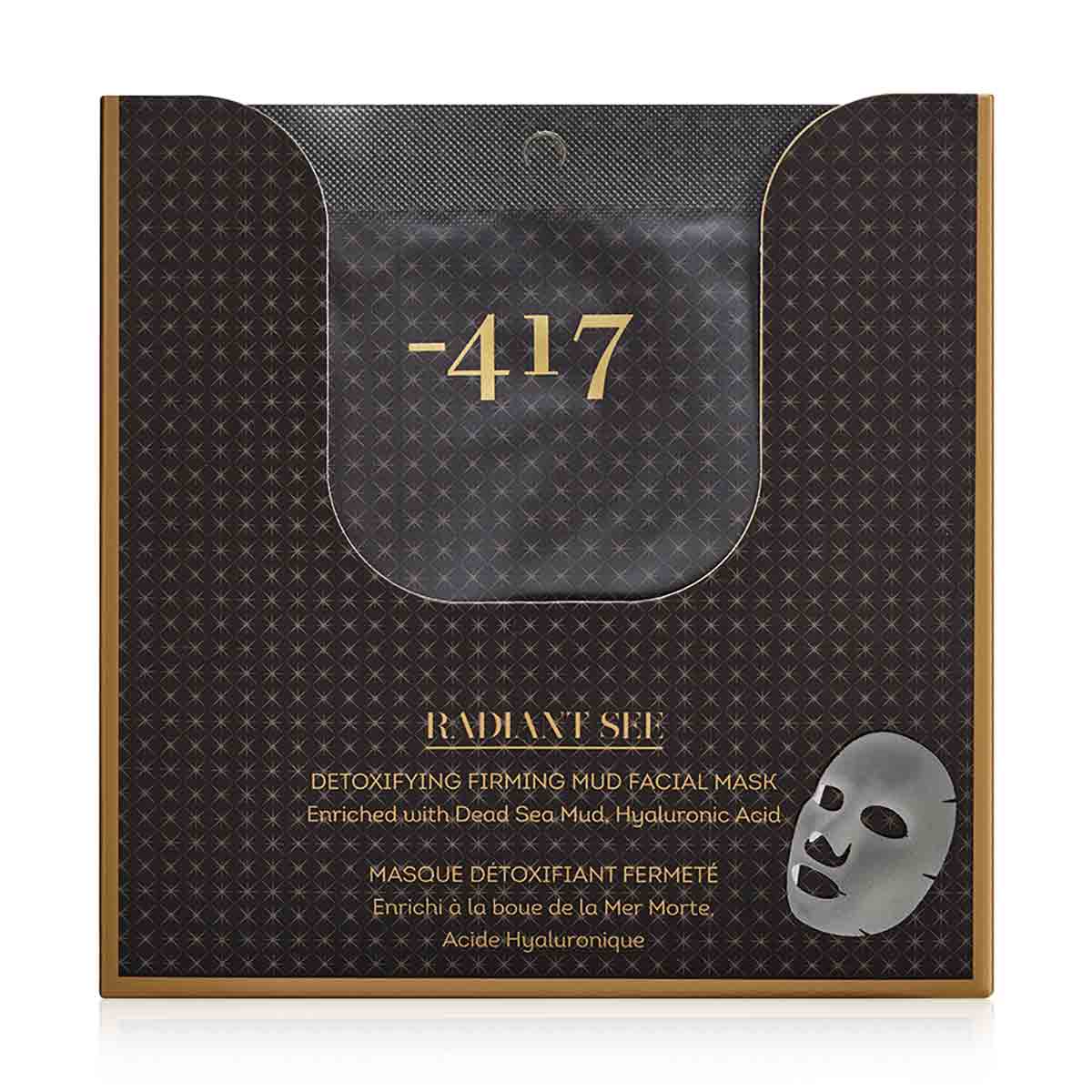
Minus 417
Detoxifying Firming Mud Facial Mask (8 Pack)
Facial Mask
Clay mask
Skin Type Suitability
When selecting a clay mask, it is crucial to consider your specific skin type. For oily or combination skin, kaolin clay masks often reign supreme due to their gentle yet effective oil-absorbing qualities. Formulations containing bentonite clay excel in drawing out impurities, making them ideal for congested pores. However, these potent ingredients can sometimes be too harsh for sensitive skin types; those individuals may find solace in milder options that incorporate Moroccan lava clay or French green clay, which offer detoxifying benefits without overwhelming delicate complexions. The trade-off here is that while these gentler formulations may be less effective at deep cleansing, they provide a much-needed balance for those prone to irritation.
Climate Considerations: UAE Summer vs. Winter
The climate plays an undeniable role in the effectiveness of a clay mask. In the sweltering summers of the UAE, lightweight gel-based masks infused with hydrating properties can address both hydration and oil control effectively. These formulations utilize volcanic ash or aloe vera alongside traditional clays to mitigate sweat-induced shine while keeping the skin refreshed. Conversely, during winter months when humidity levels drop significantly, thicker cream-based masks enriched with soothing agents like shea butter or vitamin E can alleviate dryness without compromising on detoxification. If you prioritize hydration in colder months over intense cleansing, opting for a creamier formulation will serve you well but may not deliver the same immediate results as more traditional clay masks suited for warmer weather.
Olfactory Experience Versus Performance
Certainly not all clay masks are created equal when it comes to their olfactory profiles; some brands successfully integrate sophisticated scents into their offerings while prioritizing efficacy. For instance, products infused with oud or jasmine can transform your skincare routine into a multisensory experience that resonates deeply with Middle Eastern aesthetics. However, this aromatic aspect often comes at a cost: products designed primarily for scent may sacrifice some level of cleansing potency or contain synthetic fragrances that could irritate sensitive skin types. If your preference leans towards luxurious aromas over purely functional formulations, be prepared for potential trade-offs regarding results versus olfactory pleasure.