
 WhatsApp
 Phone
Phone
 Email
Email


Happy perfume
Happy perfume is an intricate amalgamation of rare ingredients that can often dictate its olfactory profile and longevity. The delicate interplay between top notes and base accords is not merely about scent but also about the emotional resonance it instills within the wearer.

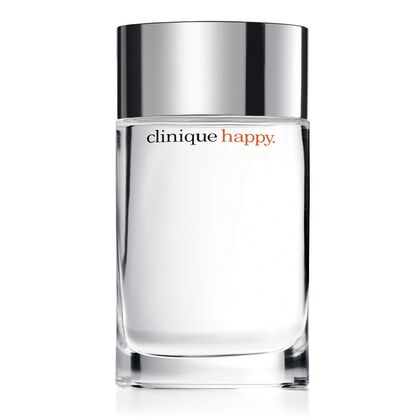
Clinique
Happy Perfume Spray Eau De Parfum 100ml
Women Perfume
- New
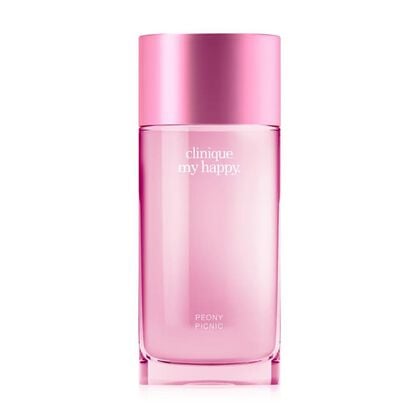
Clinique
My Happy Peony Picnic
Women Perfume
- New
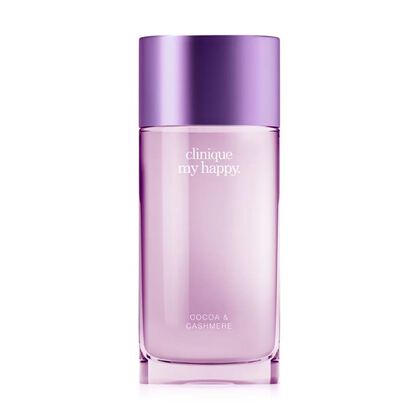
Clinique
My Happy Cocoa & Cashmere
Women Perfume
- New
- Online Exclusive
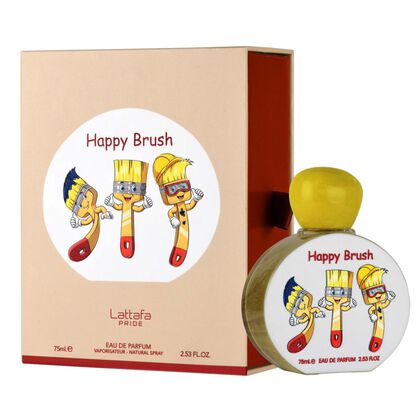

Lattafa
Happy Brush
Perfume Set Unisex
- New
- Online Exclusive
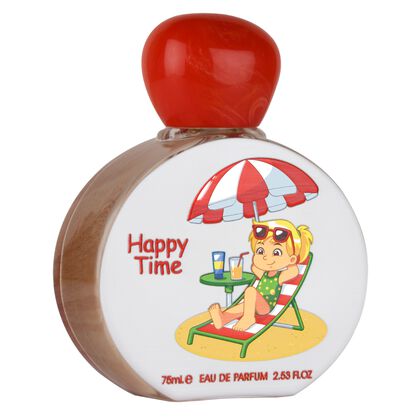
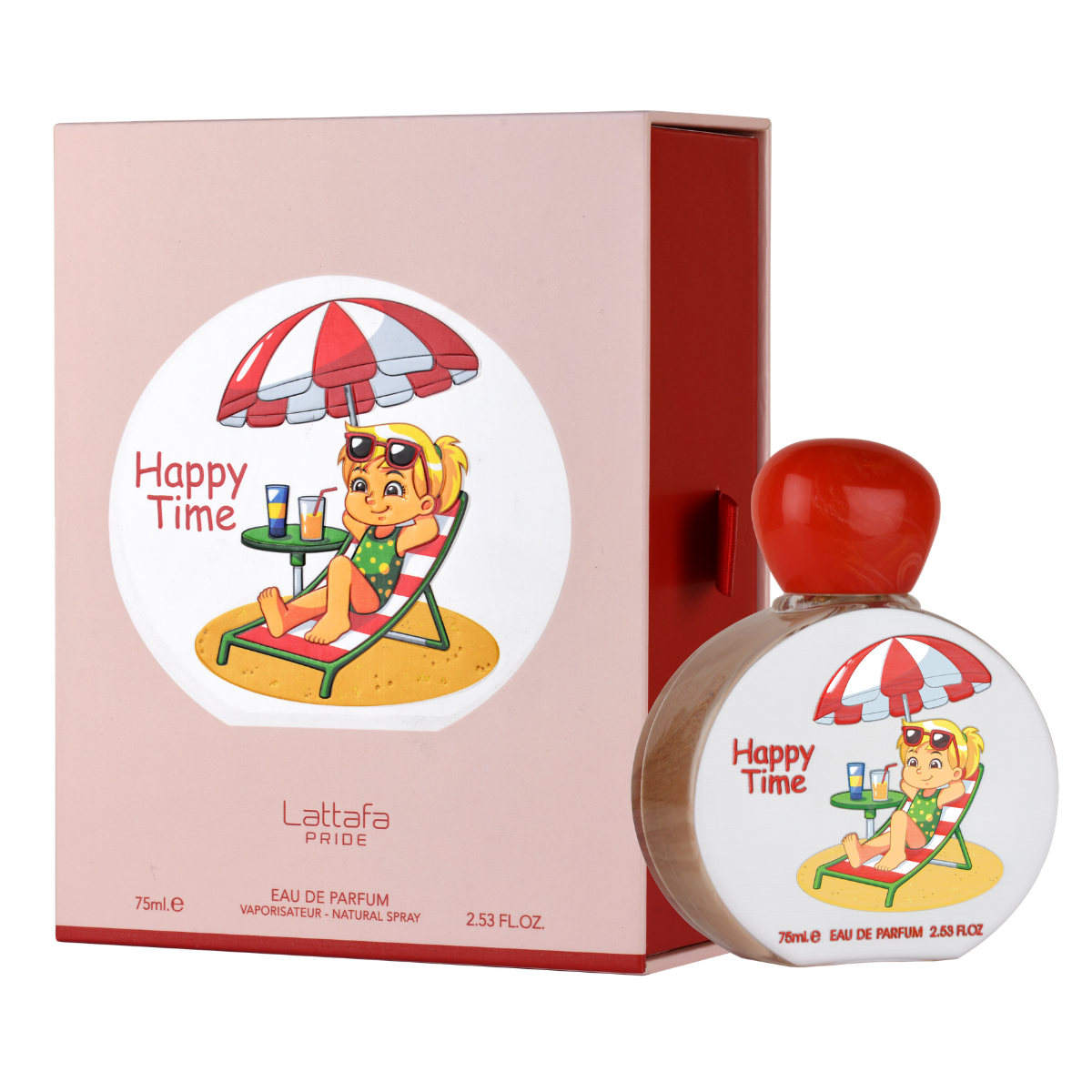
Lattafa
Lattafa Pride Kids -happy Time
Unisex Arabic Perfume
Happy perfume
Olfactory Profile: The Allure of Oud Fragrances
Oud fragrances embody a rich tapestry of scents that resonate deeply within Middle Eastern culture, with Happy perfume often incorporating this revered ingredient. The depth of oud is complemented by floral or citrus elements, creating a multifaceted aroma that can shift throughout the day. However, one must be discerning in their selection; while some oud-based perfumes offer a robust and intoxicating scent, they may overwhelm those who prefer subtlety. If your preference leans towards lighter compositions, you might find traditional oud fragrances to be overpowering as they can dominate rather than enhance one's presence.
Skin Type: Catering to Diverse Needs
The formulation of Happy perfume varies significantly based on skin type. For individuals with dry skin, oil-based formulations may provide a longer-lasting fragrance experience since oils tend to cling more effectively to the skin's surface. Conversely, those with oily skin may notice that alcohol-based perfumes evaporate more swiftly, which can lead to decreased longevity but increased sillage. Herein lies the trade-off; opting for an oil-infused Happy perfume means embracing a richer application that intensifies both scent and moisture levels on parched complexions. On the other hand, lighter formulas crafted for oily skin can leave you feeling more refreshed but at the cost of needing frequent reapplication.
Climate Adaptability: Embracing Regional Realities
In climates such as those found in the UAE, where summer introduces soaring temperatures and humidity levels, Happy perfume must navigate these challenges adeptly. Heavier fragrances tend to become cloying in heat; thus lighter citrus or aquatic notes shine during these months as they enhance freshness without overwhelming the senses. However, when winter sets in with cooler evenings and lower humidity levels, deeper scents—often characterized by amber or spicy accords—can flourish during this time as they resonate beautifully against chillier air. The trade-off here is clear; if you prioritize longevity over sillage in summer months, opting for a deeper fragrance may result in an uncomfortable wear experience whereas lighter options may necessitate frequent touch-ups.