
 WhatsApp
 Phone
Phone
 Email
Email


Signature eau de parfum
The crafting of a signature eau de parfum is an intricate process that combines the art of fragrance blending with the science of ingredient performance. This synergy defines the unique character each scent embodies, revealing layers and evolutions that speak to personal identity and olfactory storytelling.


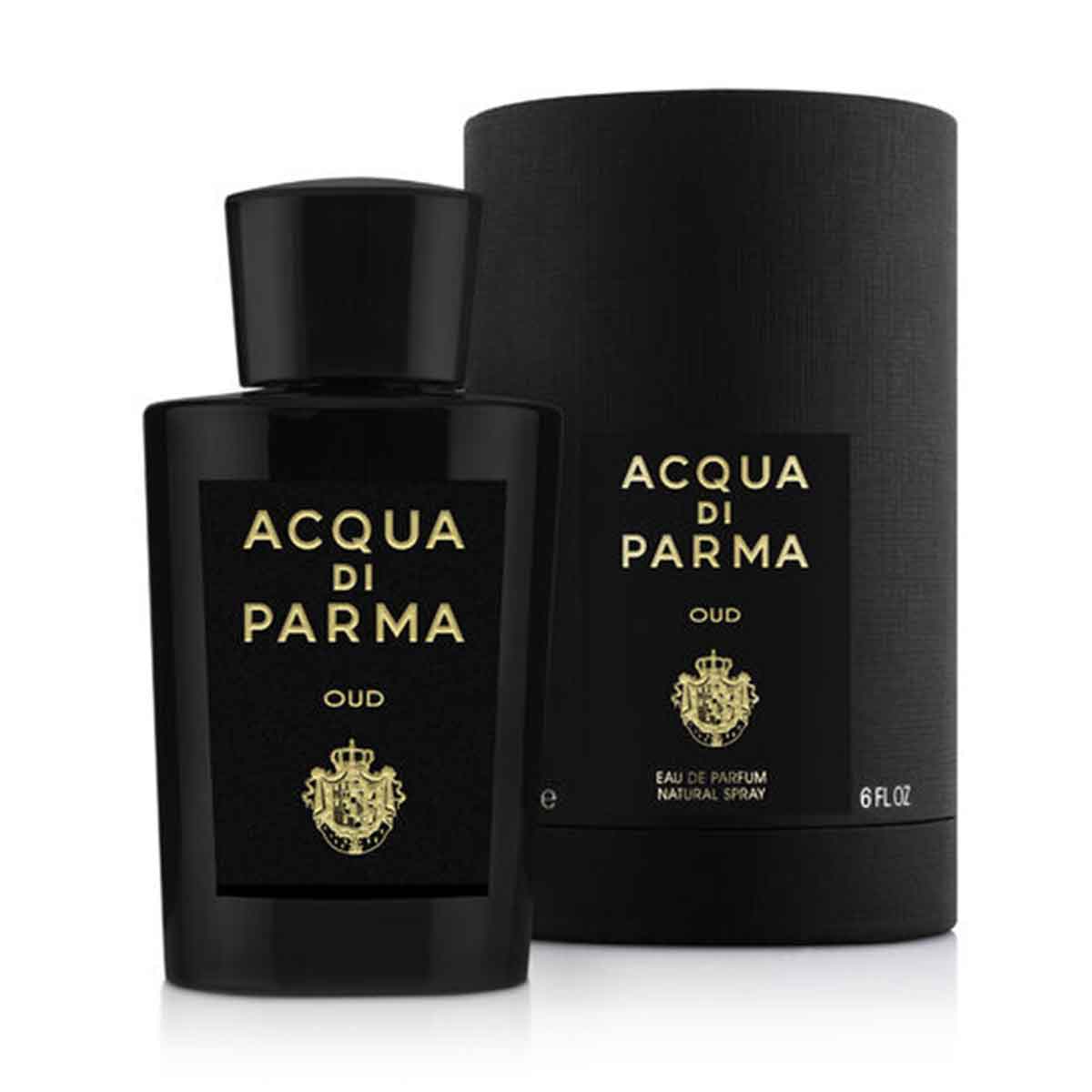
Acqua di Parma
Signatures Oud Eau De Parfum 180ml
Unisex Niche Perfume

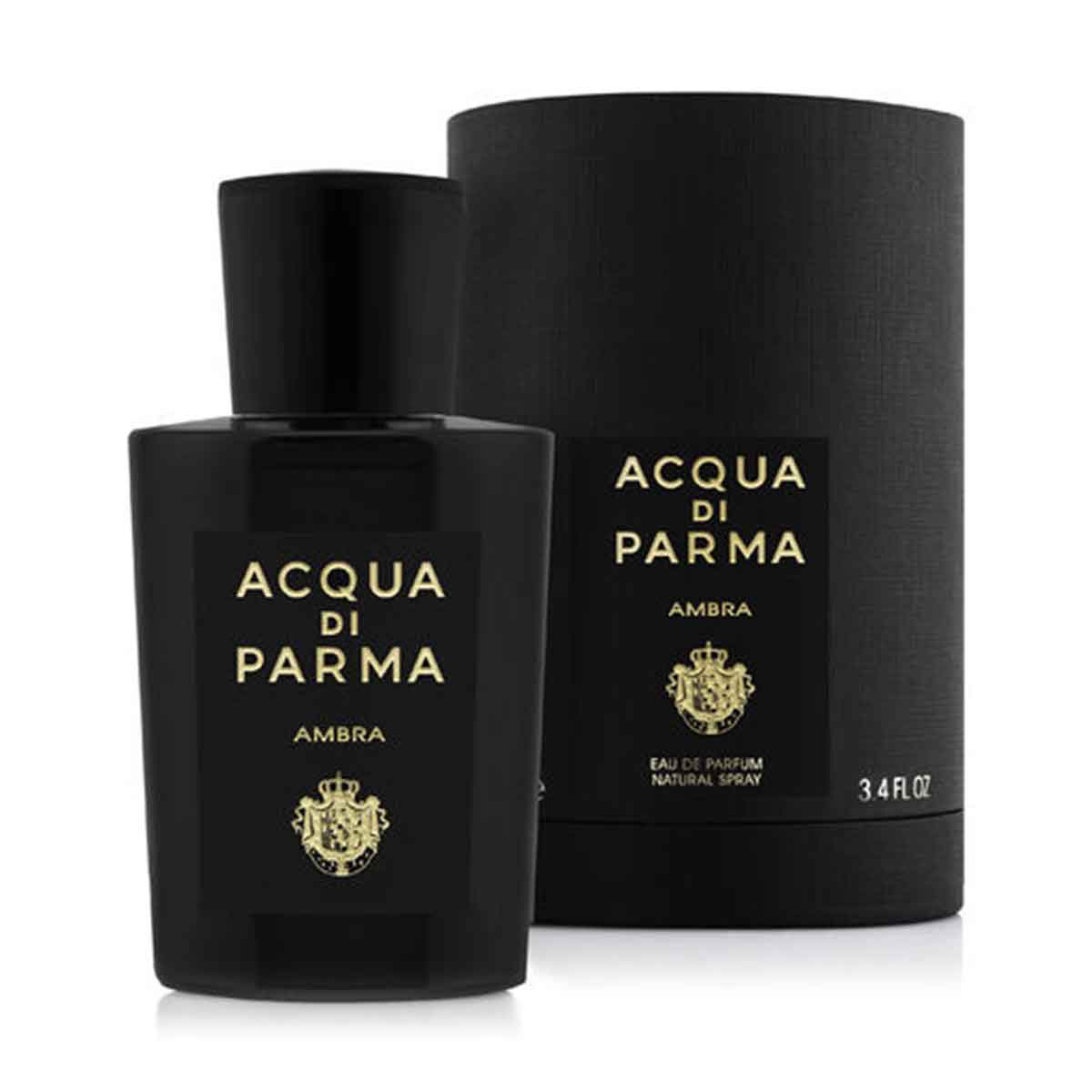
Acqua di Parma
Signatures Ambra Eau De Parfum 180ml
Unisex Niche Perfume
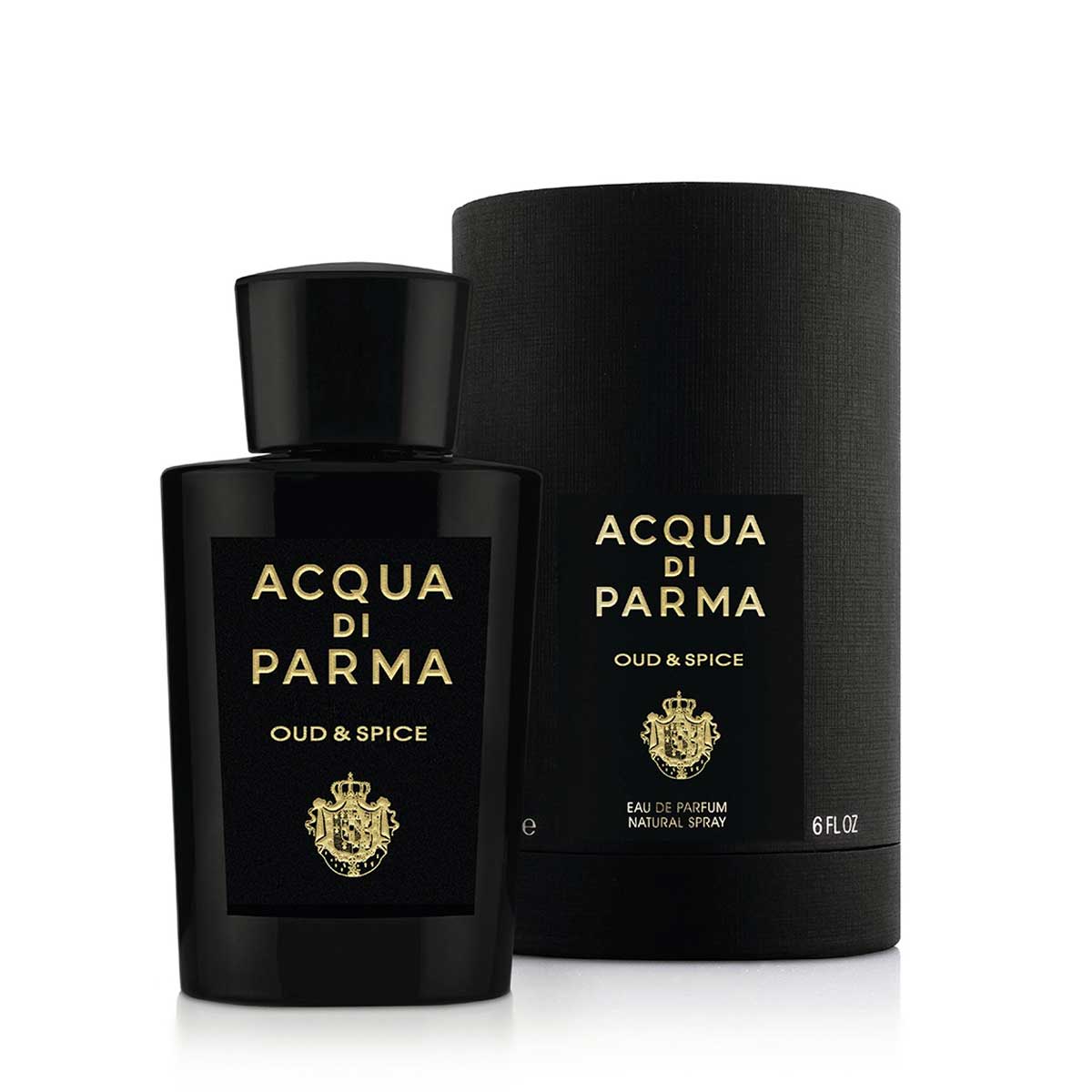
Acqua di Parma
Signature Oud & Spice Eau De Parfum
Unisex Perfume
You might also like
- Bestseller

Lancôme
Idole Leau De Parfum Nectar Eau De Parfum
Women Perfume
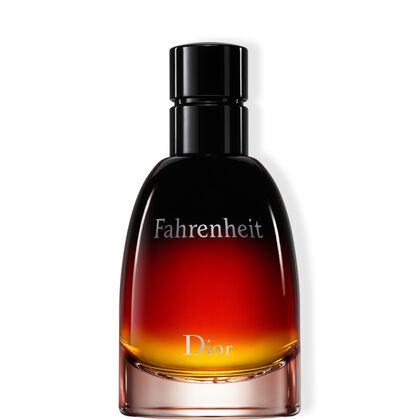
Dior
Fahrenheit Parfum Eau De Parfum
Men Perfume
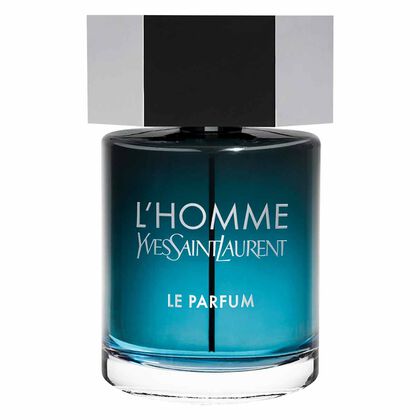
YSL
L'homme Le Parfum Eau De Parfum
Men Perfume
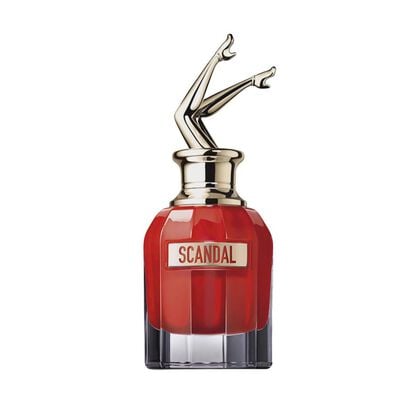
Jean Paul Gaultier
Scandal Le Parfum Her Eau De Parfum
Women Perfume
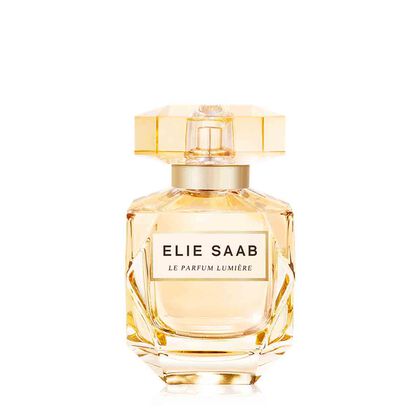
Elie Saab
Le Parfum Lumiere Eau De Parfum
Women Perfume
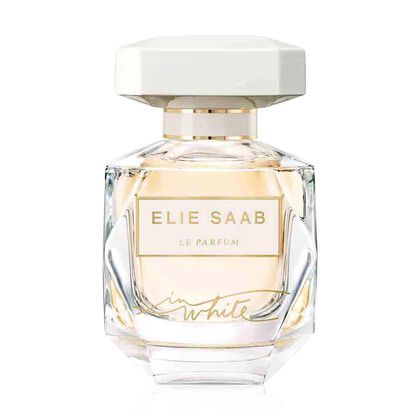
Elie Saab
Le Parfum In White Eau De Parfum
Women Perfume
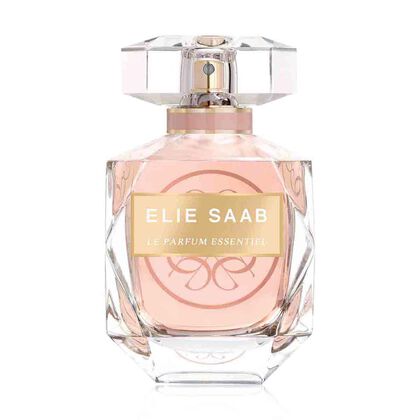
Elie Saab
Le Parfum Essentiel Eau De Parfum
Women Perfume
- Bestseller
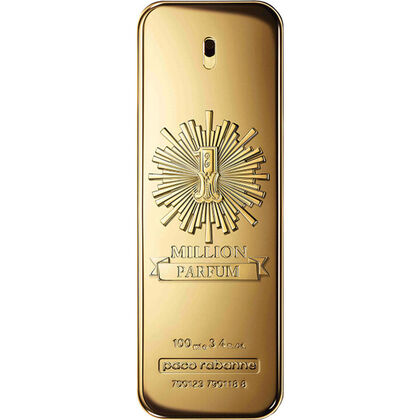
Rabanne
One Million Parfum Eau De Parfum
Men Perfume
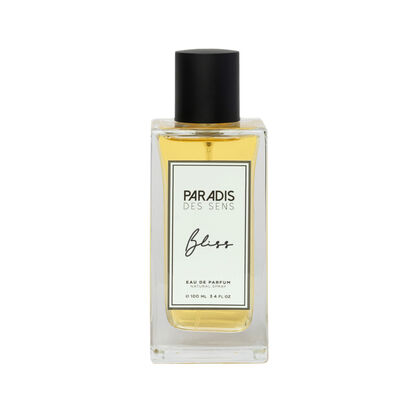
Paradis Des Sens
Bliss Eau De Parfum 100ml
Unisex Perfume
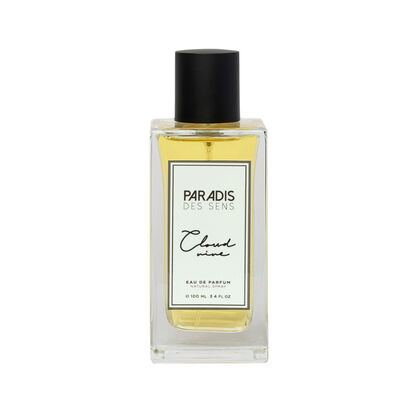
Paradis Des Sens
Cloud Nine Eau De Parfum 100ml
Unisex Perfume
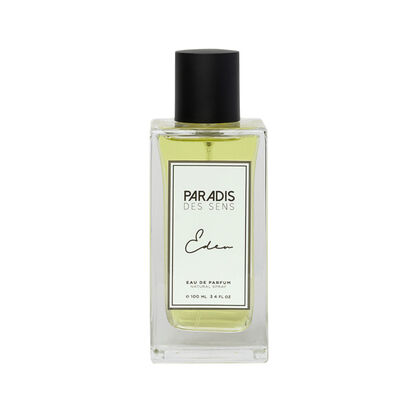
Paradis Des Sens
Eden Eau De Parfum 100ml
Unisex Perfume
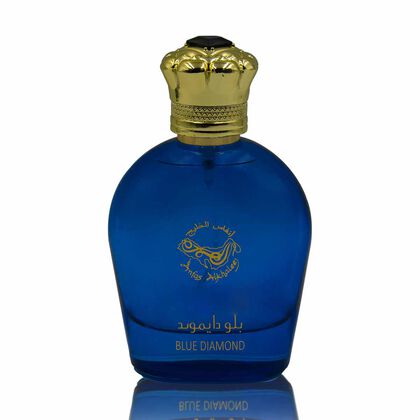
Anfas Al Khaleej
Blue Diamond Eau De Parfum
Women Perfume
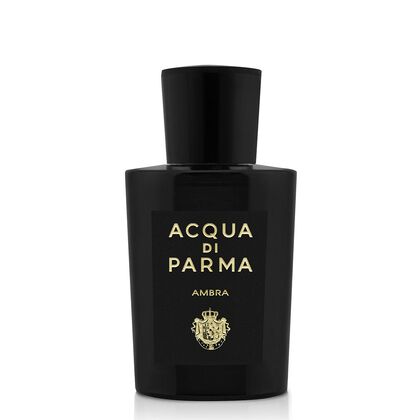
Acqua di Parma
Ambra Eau De Parfum
Unisex Perfume

Guerlain
Habit Rouge Eau De Parfum
Men Perfume
- Bestseller
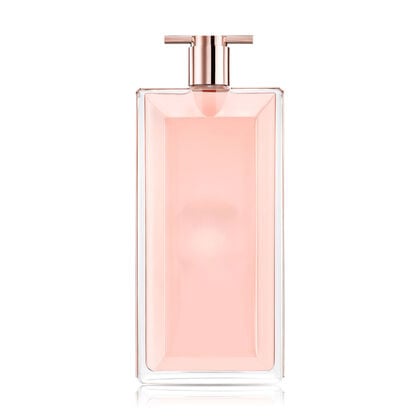
Lancôme
Idôle Eau De Parfum
Women Perfume
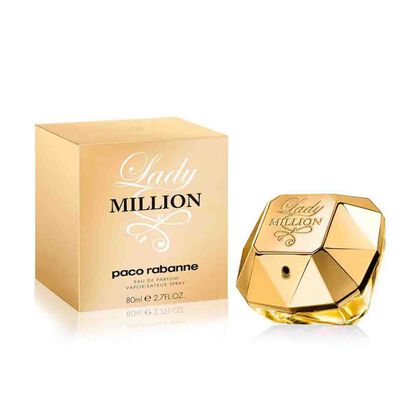
Rabanne
Lady Million Eau De Parfum
Women Perfume
- Bestseller
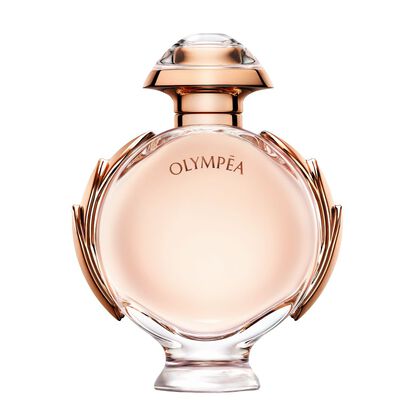
Rabanne
Olympea Eau De Parfum
Women Perfume
- Bestseller
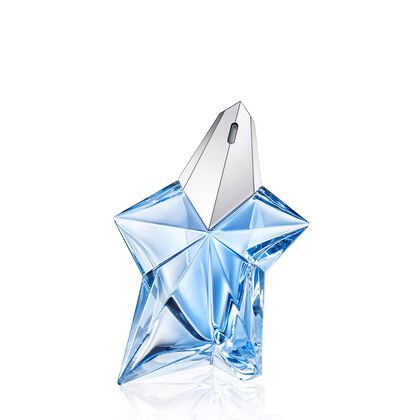
MUGLER
Angel Eau De Parfum
Women Perfume
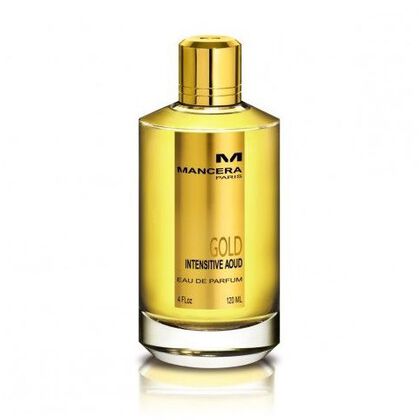
Mancera
Gold Intensitive Aoud Eau De Parfum
Unisex Perfume
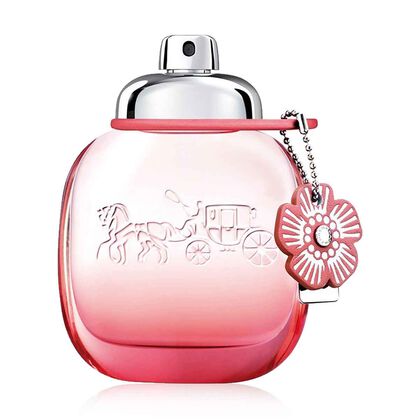
Coach
Floral Blush Eau De Parfum
Women Perfume

Chloe
Nomade Eau De Parfum Naturelle
Women Perfume
Signature eau de parfum
Olfactory Profiles: The Allure of Oud
When one delves into the world of signature eau de parfums, few ingredients command attention like oud. Esteemed in Middle Eastern culture for its intoxicating depth and complexity, oud fragrances often serve as a cornerstone in luxurious scents. Take, for instance, a well-crafted oud blend that marries rich resinous notes with subtle floral undertones; it envelops wearers in an enigmatic embrace that transitions effortlessly from day to evening. The trade-off here is evident: while these compositions offer remarkable longevity, some may find their intense sillage overwhelming in close quarters. Conversely, lighter variants infused with citrus or woodsy elements provide a more approachable take on this revered ingredient without compromising on sophistication.
Climate Adaptability: UAE Summer Versus Winter
In the context of Middle Eastern climates, choosing the right signature eau de parfum necessitates consideration of temperature extremes. During the scorching UAE summer months, one might lean towards fragrances with an airy quality—think bright florals paired with crisp citrus that invigorate rather than suffocate under heat. These formulations tend to have lower oil concentrations, yielding lesser longevity but ensuring comfort against high temperatures. In contrast, winter beckons heavier compositions where spiced woods and warm resins can flourish; however, be aware that those rich formulations may require careful application to avoid cloying sensations when layered too thickly.
Skin Type Considerations: From Oily to Sensitive
Your skin type plays a critical role in how your chosen signature eau de parfum interacts with your body chemistry. Those with oily skin often notice fragrances blossom impressively due to increased sebum retention; however, this can lead to overpowering effects if not managed wisely. On the other hand, individuals with sensitive skin might experience issues when encountering alcohol-heavy formulas or synthetic notes which can provoke irritation. If your skin cannot tolerate heavy silicones typically found in richer scents designed for longevity and deeper sillage profiles, consider exploring alcohol-free options that provide gentler application while still maintaining aromatic integrity.